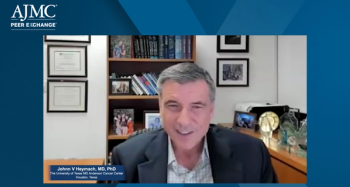
Video Series

Panelists discuss how, coming into ASH 2024, the largest unmet needs in the treatment and management of chronic lymphocytic leukemia (CLL) and mantle cell lymphoma (MCL) include improving outcomes for treatment-naive patients, with a focus on emerging Bruton tyrosine kinase inhibitor (BTKi) regimens such as acalabrutinib plus venetoclax, pirtobrutinib plus venetoclax, and zanubrutinib combinations.
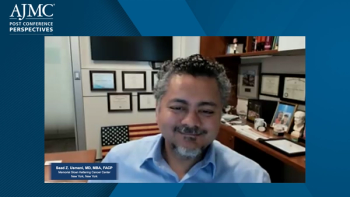

5 experts are featured in this series.

Panelists discuss how chronic kidney disease leads to iron deficiency anemia through a complex interplay of impaired iron absorption, increased hepcidin production driven by inflammatory cytokines, and reduced erythropoietin synthesis, resulting in both functional and absolute iron deficiency alongside diminished red blood cell production.

1 KOL is featured in this series.

A panelist discusses how continuous glucose monitoring (CGM) technology can help overcome therapeutic inertia and key barriers to glycemic control in type 2 diabetes (T2D) patients by providing real-time data that enables earlier interventions, supports treatment optimization, and helps managed care organizations justify broader CGM adoption for newly diagnosed patients.

1 KOL is featured in this series.

A panelist discusses how the multicenter ferric carboxymaltose trial employed a prospective design to evaluate iron supplementation's impact on heart failure outcomes, strategically selecting hospitalization reduction as the primary end point due to its clinical relevance and statistical power considerations.

1 expert in this video

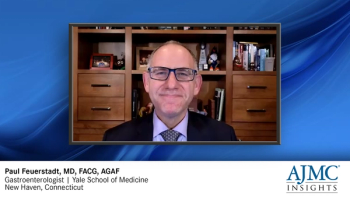
Paul Feuerstadt, MD, FACG, AGAF, discusses how the management of recurrent Clostridioides difficile infections is evolving toward more targeted approaches, including microbiome-based therapies like fecal microbiota transplantation, newer antibiotics such as fidaxomicin, and emerging preventive strategies focusing on microbiome restoration and preservation.

1 KOL is featured in this series.

A panelist discusses how the FINEARTS-HF trial employed rigorous potassium-monitoring protocols and predefined hyperkalemia thresholds to evaluate finerenone's safety profile in patients with heart failure (HF), revealing important associations between baseline characteristics and hyperkalemia risk while demonstrating the drug's complex effects on potassium homeostasis.

1 KOL is featured in this series.

A panelist discusses how glucagon-like peptide-1 receptor (GLP-1) agonists' cardioprotective effects likely stem from multiple physiological mechanisms, including reduced inflammation, improved glucose metabolism, enhanced endothelial function, and potential antiatherosclerotic properties that collectively lower the risk of cardiac events.

1 expert in this video

The panelist discusses how Rebyota is an FDA-approved microbiome therapeutic that delivers standardized, purified intestinal microbiota through enema administration to restore gut microbial diversity and prevent recurrent Clostridioides difficile infection, differing from conventional fecal microbiota transplantation (FMT) in its regulatory status, standardized manufacturing process, and enhanced safety profile due to extensive screening and purification of donor material.

1 expert in this video

The panelist discusses how fecal microbiota transplantation (FMT) involves transferring stool from healthy donors to restore gut microbiota in patients with recurrent Clostridioides difficile infection, though safety concerns include potential pathogen transmission and careful donor screening requirements, while OpenBiome’s standardized frozen FMT preparations have helped advance accessibility but should be used according to current FDA guidance for investigational use.

4 KOLs are featured in this series

An analysis of challenges and strategies for integrating HER2-directed therapies into decision-making for NSCLC, with a focus on timely updates, collaborative efforts among stakeholders, and balancing equitable access with cost management.

4 KOLs are featured in this series

An overview of challenges in transitioning from IV to oral medications and guidance on identifying NSCLC patient populations most likely to benefit from HER2-directed therapies through informed patient selection strategies.

4 KOLs are featured in this series

A review of recent clinical trial results for emerging HER2-directed therapies, including SOHO-01, inetetamab/pyrotinib, and BEAMION Lung-01, and their potential impact on the future treatment landscape for HER2-positive NSCLC.

4 KOLs are featured in this series

Dr Heymach real-world outcomes versus clinical trials for HER2-positive NSCLC and the management of common adverse events associated with HER2-directed therapies.

1 expert in this video

Paul Feuerstadt, MD, FACG, AGAF, discusses how testing for Clostridioides difficile is recommended for hospitalized patients or outpatients with new-onset, unexplained diarrhea who have risk factors such as recent antibiotic use, hospitalization, or older age, and how empiric treatment should be initiated while awaiting test results if there is high clinical suspension.

1 expert in this video

The panelist discusses how antibiotics are paradoxically both the primary treatment for Clostridioides difficile infections and a major risk factor for recurrence since they disrupt the protective gut microbiome, which led to the development of alternative therapies like fecal microbiota transplantation to restore microbial balance and prevent reinfection.

4 KOLs are featured in this series

Panelists discuss how real-world evidence plays a crucial role in shaping both clinical decision-making and coverage policies for HER2-directed therapies in NSCLC, while exploring collaborative strategies between payers, providers, and manufacturers to balance equitable access with cost management.

Justin Oldham, MD, MS, an expert on IPF

Toby Maher, MD, PhD, discusses how common signs and symptoms of idiopathic pulmonary fibrosis (IPF) at diagnosis can indicate disease progression, while also identifying key risk factors associated with IPF and emphasizing the importance of modifying certain lifestyle factors to help prevent the disease.

Justin Oldham, MD, MS, an expert on IPF

Toby Maher, MD, PhD, discusses how comorbidities complicate the diagnosis and management of idiopathic pulmonary fibrosis (IPF) and influence treatment decisions, highlighting the need for a comprehensive approach in patient care.

Brand Logo

259 Prospect Plains Rd, Bldg H
Cranbury, NJ 08512

609-716-7777

© 2025 MJH Life Sciences®

All rights reserved.

Secondary Brand Logo
Alt TextAlt Text