


Providers
Latest News
Advertisement
Latest Videos








Advertisement
More News

Recent results from a new diabetes reversal program demonstrate the reliable, sustained benefits of nonpharmacological interventions in the management of diabetes and overall health of patients.

In 1386 providers, better teamwork related to higher patient Net Promoter Score (NPS), and the relationship between provider experience and NPS was mediated by teamwork.
Thoracoscopic thymectomy yielded quicker recovery time in myasthenia gravis (MG) while reducing disease severity, the need for treatment, and complications.

In recent years, it’s been estimated that 10% to 28% of patients with myeloid disorders develop adult onset inflammatory and autoimmune disorders (IADs), complicating treatment.
Initial evidence suggests alternative approaches such as exercise, dietary modification, and psychosocial therapies may enhance traditional management of pulmonary hypertension.

Researchers investigate the expression of PARP1 in leukemias with BCR::ABL1 p190+ translocation, finding differential expression in ALL, AML, and CML but no significant correlation with clinical parameters.
This interview accompanies the final podcast in our National Recovery Month series with Lyndra Bills, MD, senior medical director, and Shari Hutchison, MS, director of program evaluation and outcomes, both with Community Care Behavioral Health Organization, part of the UPMC Insurance Services Division.

A retrospective analysis on newborn screening for spinal muscular atrophy (SMA) provides further evidence for the benefits of early identification and treatment of the disease.

Adults who survived childhood cancer experience elevated fear that their primary cancer will recur or that a subsequent malignant neoplasm will develop, according to a new study.

However, an analysis suggested that androgenetic alopecia is not caused by hypothyroidism.

Value-based agreements come with risks and benefits, but a health system’s existing facilities and initiatives can help support the goals associated with them, JT Lew, PharmD, MBA, a managed care pharmacist at MultiCare Health System, explained.

Finerenone is at least as effective in patients who are in the hospital or were recently hospitalized for heart failure as those with stable condition, said Akshay Desai, MD, of Brigham & Women’s Hospital.

As cancer therapies extend patients’ lifespans, it’s important to implement cardioprotective strategies, said Aaron Adkisson, PharmD, of University of Kentucky.

Follow-up in men living with HIV who have sex with men should be performed to assess quality of life due to sexual function.

A study suggests most patients with myasthenia gravis (MG) can take statins without experiencing symptom worsening.

In the phase 2 FORWARD-53 study, the exon-skipping oligonucleotide WVE-N531 showed promising safety and efficacy in boys with Duchenne muscular dystrophy (DMD) who are amenable to exon 53 skipping.
Benjamin Scirica, MD, MPH, director of quality initiatives at Brigham and Women’s Hospital’s Cardiovascular Division, discussed the importance of team-based care and gaps in technology to manage patients at risk of cardiovascular disease (CVD).

Laurence Sperling, MD, executive director of the Million Hearts initiative at the CDC and CMS, shared insight into population health strategies to address cardiovascular disease (CVD) prevention in at-risk populations.

The South Asian Healthcare Leadership Forum marked its 10th anniversary with a gathering of over 100 prominent physicians, policy makers, and executives at Brigham and Women’s Hospital.

Health plans would see savings faster if they switched to etranacogene dezaparvovec sooner, the investigators found.
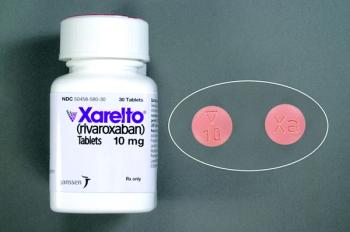
A study based on a decade's worth of Korean insurance data found that use of direct oral anticoagulants (DOACs) to address atrial fibrillation and venous thromboembolism in patients with myeloproliferative neoplasms (MPNs) is effective, with acceptable bleeding risk.

New study provides insights into the relationship between TP53, miR-34a, and NOTCH1 in CLL cells.

Multiple sessions at ESMO Congress 2024 covered antibody-drug conjugates (ADCs), which are an emerging therapy that holds great promise in cancer but comes with challenges.
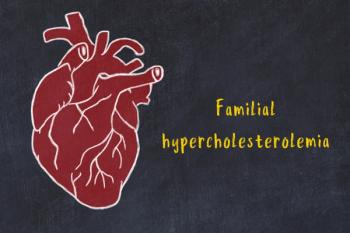
September 24 celebrates Familial Hypercholesterolemia Awareness Day, which recognizes the importance of screening measures, education, and advocacy in a lesser-known, underdiagnosed cardiovascular condition.

Colorectal cancer (CRC) could be affected by various factors involved in sleep, including snoring.
Advertisement
Advertisement
Trending on AJMC
1
TrumpRx Launch Brings Savings—and Uncertainty
2
As Cencora Closes With OneOncology, Patton Says Terms Show “Trust”
3
Benefits, Tradeoffs of Medically Integrated Dispensing in Oncology Care: Katherine Tobon, PharmD, BCOP
4
Asundexian Reduces Risk of Stroke Recurrence in Phase 3 OCEANIC-STROKE Trial
5