

ADA 2026 featured incretin therapy advances, survodutide phase 3 data in metabolic liver disease, and cardiovascular risk reduction with evolocumab.
ADA 2026 featured incretin therapy advances, survodutide phase 3 data in metabolic liver disease, and cardiovascular risk reduction with evolocumab.

ACA cancellations rise; HBV re-engagement varies by outreach; rural US has 44% fewer clinicians; diabetes and alopecia need custom care.
ADA 2026 spotlighted triple incretin therapy, intensive LDL lowering, and the equity gaps that keep advances from reaching all patients.

The CHG index predicted CKM syndrome onset, progression, and adverse outcomes, suggesting a simple tool for risk stratification across disease stages.

New ADA 2026 data show diabetic ketoacidosis hospitalizations rising 24%, driven by poor ketone monitoring and symptom recognition gaps across all ages.

Research from Samuel Shangwu Wu, PhD, presented as an ADA Presidents' Select Abstract, proposes a better way to measure beta-cell preservation.

Anne Komé, PharmD, explains that diabetes drug development is shifting to concurrent testing of metabolic effects.
ADA 2026 research showed how oral ketones, irisin, and SGLT2 inhibitors may reveal new metabolic pathways beyond glucose control.

Phase 3 data show survodutide normalized liver fat in 61% of patients with MASLD while reducing weight, visceral fat, and metabolic risk factors.
ADA 2026 data show survodutide cut visceral fat by 34% and liver fat by 63%, suggesting metabolic benefits beyond weight loss in phase 3 trials.

Diabetes disparities drive unequal CGM access and amputation risk, highlighting the need to address social, provider, and policy barriers to equitable care.
At ADA 2026, Alyson K. Myers, MD, explains why knowing your community—and meeting patients where they are—is key to better diabetes outcomes and lower costs.

ADA 2026: Inhaled insulin (Afrezza) shows comparable HbA1c and time-in-range to rapid-acting analogs in youth, with greater treatment satisfaction reported.
After FDA approval for children 6 and older, ADA data show inhaled insulin's safety and satisfaction benefits, but clinician awareness remains a key barrier.
Cancer trauma, drug pricing claims, abortion cost gaps, insurance denials affecting 1 in 5, and food insecurity's economic toll top this week's roundup.

Coverage denials delay care, drive patients into debt, and erode trust in insurers—yet nearly half of affected patients never appeal.

Even spending just 5% of income on medical costs raises food insecurity risk by 80% for families with children, study finds.

Manufacturing questions delay review of dexmethylphenidate candidate; no safety or efficacy concerns raised.

Martin Hopp, MD, PhD, of Cedars-Sinai Medical Center, and Kate Willis, of Daybreak, explain how undiagnosed sleep disorders can cause depression and anxiety.
Reports highlight gaps in private equity oversight, MA vs FFS outcomes, cancer care access advances, climate health disparities, and uneven genomic testing.

The approval is based on results from MannKind's phase 3 INHALE-1 clinical trial.
Martin Hopp, MD, PhD, of Cedars-Sinai Medical Center, and Kate Willis, of Daybreak, discuss why obstructive sleep apnea is underdiagnosed.

Edgar Chou, MD, explains how oncology teams, primary care, and patients use interoperability to share patient data, improve transitions, and close care gaps.
US health care faces massive shifts: rising ACA deductibles, federal health leadership shakeups, and major care gaps in women's health and dermatology.

Eli Lilly's triple agonist achieved 28.3% weight loss at 80 weeks and 30.3% at 104 weeks, matching bariatric surgery levels.

The Trump administration fired USPSTF leaders, sparking concerns over the future of ACA-mandated free medical screenings and preventive care.

ACA enrollment drops 21.5% in 2026 after enhanced subsidies end. Deductibles hit record $3786 as enrollees shift to high-deductible bronze plans.

A new review links coexisting sleep apnea and diabetes to higher stroke risk, poorer recovery, and greater vascular damage.
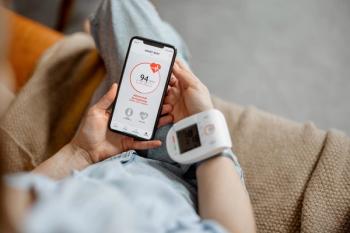
Women’s Health Month highlights major 2026 shifts in menopause care, brain health, abortion access, doula coverage, and wearable tech.
Health updates cover abortion pill access, lung care research, pregnancy-linked heart risks, US longevity gaps, and flawed drug adherence metrics.

December 9th 2023

November 6th 2023