
A phase 2 trial evaluating the 2 checkpoint inhibitors, nivolumab and ipilimumab, found significantly better tumor responses with the combination compared with nivolumab alone in patients with recurrent epithelial ovarian cancer.
A phase 2 trial evaluating the 2 checkpoint inhibitors, nivolumab and ipilimumab, found significantly better tumor responses with the combination compared with nivolumab alone in patients with recurrent epithelial ovarian cancer.

Aetna is selling its Medicare Part D prescription drug unit to WellCare Health Plans; Seema Verma, administrator of CMS, defended Medicaid work requirements, saying they are not intended to kick people out of the program; an experimental tuberculosis (TB) vaccine demonstrated 54% protection in a clinical trial.

Coverage of our peer-reviewed research and news reporting in the healthcare and mainstream press.

New research findings and critical evaluation of existing data can lead to changes in screening and treatment of certain cancers. Here are some updates to the diagnosis and treatment of breast, uterine, and cervical cancers.

This week, the top managed care news included comments to several proposals from CMS; Medicare advocates say voters will be motivated by healthcare cost concerns during the midterm elections; research showed diabetes drug dapagliflozin, an SGLT2 inhibitor, reduces risks of major cardiovascular events.

Young men who have sex with men (MSM) who used the PrEPmate intervention were more likely to attend study visits and have higher rates of adherence to the prevention treatment.

Local leaders from northern New Jersey heard national best practices of social determinants of health at the Building a Culture of Health conference.

The in-home visit gives the pharmacist a unique perspective on the medication experience of the member, allowing them to compare discharge information and Part D claims information to the medications present in the home, as well as assess adherence and discover discrepancies by having the member walk them through when and how they take their medications each day.

Readmission rates for Medicare patients with 6 major diseases were statistically higher among for-profit hospitals compared with nonprofit or government hospitals, according to a new study.

Not only do drug prices increase during shortages, but drugs prescribed as substitutes also have higher costs; small business owners have identified the cost of healthcare as the most important issue affecting them; the average enrollee share of premiums for federal employees will increase 1.5% in 2019.
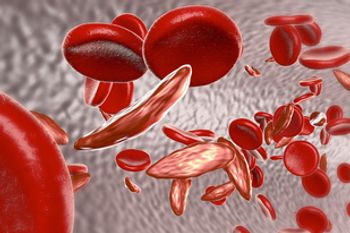
The new initiative will not focus on donor-related bone marrow transplants in sickle cell disease, but instead will home in on genetic modifications of a patient’s own stem cells.

A study has found that noninvasive vagus nerve stimulation can provide pain relief for up to 60 minutes after an acute attack.

The costs of pivotal trials ranged from $2.1 million to $346.8 million, with a central cluster of trials with estimated costs of $12.2 million to $33.1 million.

A recent study compared the fracture risk between osteoporosis and osteopenia.

Hospital groups and other organizations and individuals sent blistering comments to CMS expanding its site-neutral payments between what Medicare pays for at physicians’ offices and off-campus hospital clinics, where rates are higher because of added hospital facility fees. It is also extending 340B drug discounts to off-site hospital clinics.

Advocates for keeping Medicare as it is were joined by a well-known pollster to discuss that voters are concerned about out-of-pocket costs, including what they pay for prescription drugs, as the 2018 midterm elections approach.

Medicare will ease up on annual readmission penalties for safety-net hospitals; the House of Representatives has passed a bill prohibiting pharmacy gag clauses, sending the bill to President Donald Trump's desk; the Creating and Restoring Equal Access to Equivalent Samples (CREATES) Act of 2018 would reduce federal spending on prescription drugs by $3.3 billion from 2019 to 2028.

For patients with multiple sclerosis (MS) being treated with natalizumab, cognitive function improved from baseline to 1 year and improved significantly across all domains from baseline to 2 years.

The Institute for Clinical and Economic Review (ICER) found enough evidence that biologics provide a benefit over the usual standard of care for patients with moderate to severe asthma, the organization said in a draft evidence report released Tuesday. However, since biologics cost much more than other pharmaceutical treatments, ICER said the 5 drugs it reviewed did not meet its usual cost-effectiveness thresholds.

A recent study found that statin use reduced the risks of osteoporosis, hip fracture, and vertebral fracture in stroke patients by 30% to 40%, and a dose-effect relationship was observed between statin cumulative defined daily doses and decreased risks of osteoporosis and fractures.

Black and Latino individuals are less likely than their white peers to develop early-onset atrial fibrillation (EOAF), yet these individuals experience higher rates of stroke, heart failure, and mortality from AF than do white patients. To date, little has been known about this paradox, as most research into EOAF focuses on white patients.

Gilead Sciences will sell authorized generics of its blockbuster hepatitis C drugs Epclusa and Harvoni; the pharmaceutical industry inserted a measure into an opioid bill to reverse discounts they would be required to give next year to seniors enrolled in Medicare Part D plans; the Trump administration has terminated a contract with a fetal tissue firm after being criticized by antiabortion groups and Republican lawmakers.

Over the first 7 months of 2018, there were 96 price hikes for every price cut, an Associated Press (AP) analysis reported, although there were fewer and smaller price hikes than in years past.
CMS’ proposed rule described strong financial results from low-revenue ACOs, as well as ACOs in risk-bearing tracks, but it mostly ignored the success of small, rural providers in ACOs.
Heart failure hospitalization has been a target for accountable care organizations seeking to find ways to cut costs from the healthcare system. But it remains to be seen how many of the estimated 2 million patients would gain access to the device if it received an expanded indication and payer coverage.

Unstable housing among the HIV population is associated with decreased probability of viral suppression and adequate CD4 cell count. It also lowers the likelihood of mental health/counseling, visiting a healthcare provider, and engaging in continuity of care.

The ongoing REVEAL study, a prospective observational study of US patients with the myeloproliferative neoplasm polycythemia vera (PV), is designed to gather data on disease burden, clinical management, patient-reported outcomes (PROs), and healthcare resource utilization of this patient population.

The Department of Homeland Security is targeting immigrants who have sought assistance from food stamps, welfare, Medicaid, Medicare Part D, and housing vouchers; there is wide variation among ketamine clinics, including the screening of patients, dosages, frequency of infusions, and coordination with patients’ mental health providers; public health advocates are upset over a decision by the Trump administration to divert nearly $200 million from health programs to fund the detention of unaccompanied migrant children who crossed into the country illegally.
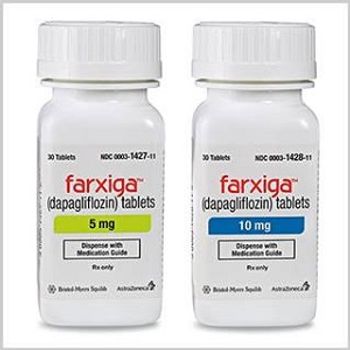
Full results from the cardiovascular outcomes trial for dapagliflozin (Farxiga) will be presented at the American Heart Association annual meeting in November.

With cancer costs rising and patients with cancer disproportionately facing financial toxicity, alternative payment and care delivery models are thought to help alleviate some of the cost burden. However, a review finds limited evidence available to evaluate the efficacy of alternative payment and care models in cancer care.

259 Prospect Plains Rd, Bldg H
Cranbury, NJ 08512
© 2025 MJH Life Sciences®
All rights reserved.