
An analysis of spending on low- and high-value services between 2014 and 2016 found that despite significant discussion about reducing low-value care, reduction has been slight.
An analysis of spending on low- and high-value services between 2014 and 2016 found that despite significant discussion about reducing low-value care, reduction has been slight.

The FDA said it is expanding a database used by generic drug manufacturers to understand when their product can be approved and marketed.

Researchers recently conducted a systematic review and meta-analysis to examine whether leukocytosis is a risk factor for thrombosis in patients with myeloproliferative neoplasms.

The researchers concluded that pembrolizumab is appropriate for FDA-approved indications and clinical trials among patients with HIV.

Texas' governor signs legislation to protect patients from receiving surprise medical bills; a Nebraska school district approves random nicotine testing for students; the Special Supplemental Nutrition Program for Women, Infants, and Children lowered obesity rates for young children from 2010 to 2016.

Medicare Shared Savings Program (MSSP) accountable care organizations (ACOs) cover more than 32 million lives and have been found to save money and improve quality in past research, but a new study in Annals of Internal Medicine is calling their success into question.

Merck's Center for Observational and Real-World Evidence has spent several years gathering evidence on clinical inertia and is now working on solutions to overcome it at the point of care.

The FDA's approval of the glucagon-like peptide receptor agonist marks the first non-insulin drug approved for youth with type 2 diabetes since the approval of metformin for pediatric use in 2000.

European researchers said they have mapped the human lung on a single-cell level, differentiating cell types between patients with asthma and those without, including the discovery of a new cell state that produces mucus in asthma. This understanding could lead to finding new drug targets for treating asthma, the researchers said.

US drug makers sue to block a federal regulation that would require them to display list prices for drugs in television advertisements; a proposal could lead to a broad settlement for opioid manufacturers that would issue a nationwide payout and prevent future lawsuits from local governments; Pfizer has agreed to buy Array BioPharma for $11.4 billion.

Machine learning, a branch of artificial intelligence, has become more accurate than human medical professionals in predicting incidence of heart attack or death in patients at risk of coronary artery disease.

A new study has found the annual economic burden of Parkinson Disease in the United States is $52 billion, more than double previous estimates.

Although healthcare organizations across the United States have begun to focus on how social determinants of health impact outcomes, the ability to address many of these elements often rests outside of the services that managed care providers offer. That's where community partnerships come in.

Alemtuzumab improved clinical and magnetic resonance imagining outcomes in patients with relapsing-remitting multiple sclerosis across varying age groups and maintained efficacy through year 8 of follow up.

Skeletal-related events are frequent complications in patients with cancers. Two abstracts analyzed the use of bone-modifying agents in patients with newly diagnosed multiple myeloma and breast cancer.
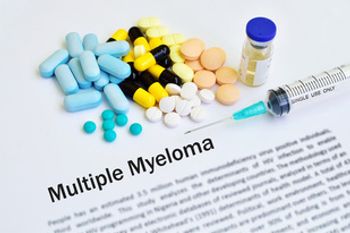
According to results from a randomized phase 3 trial presented at the American Society of Clinical Oncology’s recent annual meeting, the addition of isatuximab to pomalidomide and low-dose dexamethasone significantly improvement progression-free survival (PFS) and the overall response rate (ORR) in patients with relapsed or refractory multiple myeloma (RRMM).

Sensory processing difficulties are seen among children with migraine, according to a recently published study, which said that their quality of life is predicted by both headache-related disability and sensory processing difficulties.

The results of the NCI-MATCH precision medicine trial showed that a drug combination designed to target cancers with certain BRAF gene mutations was effective.

According to a recent study presented at the American Thoracic Society International Conference in Dallas, Texas, and simultaneously published in the New England Journal of Medicine, nearly three-fourths of patients with mild, persistent asthma had a low sputum eosinophil levels and did not differ in their response to either mometasone or tiotropium when compared with placebo.

Two posters presented at the 2019 American Society of Clinical Oncology Annual Meeting, held May 31 to June 4, 2019, in Chicago, Illinois, discussed the growing issue of financial toxicity and the costs of care in cancer treatment.

A recent literature review, involving an international multidisciplinary panel of social and healthcare professionals and people living with epidermolysis bullosa (EB), was conducted to create evidence-based guidelines to optimize psychosocial well-being in EB, given that there is no cure or treatment.
There was something for everyone at the American Diabetes Association (ADA) Scientific Sessions, held June 7-11, 2019, in San Francisco, California.

Coverage of our peer-reviewed research and news reporting in the healthcare and mainstream press.

This week, the top managed care news included the Community Oncology Alliance submitting an alternative to the Oncology Care Model; more study results demonstrating diabetes drugs can prevent renal failure; US task force recommending pre-exposure prophylaxis for HIV prevention.

Starting 2020, employees will be able to use health reimbursement arrangements (HRAs) to purchase individual coverage; New York has enacted legislation that ends nonmedical exemptions for school vaccination requirements; the FDA is being sued by Catalyst Pharmaceuticals over its approval of a similar orphan drug.

Earlier this month, the FDA approved the first ever migraine drug, galcanezumab-gnlm (Emgality, Lilly) indicated to treat cluster headaches.

According to a recent study, data collected through a wearable device called the Personal Kinetigraph (PKG) can assist clinicians in recognizing patients with Parkinson disease who may benefit from deep-brain stimulation or other device-assisted therapies.
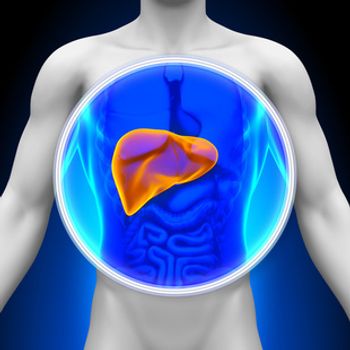
Results were presented recently at the 79th Scientific Sessions of the American Diabetes Association.

Some states are losing ground in healthcare coverage and most states are being rocked by rising deaths of despair, reports a national scorecard of the nation’s health.
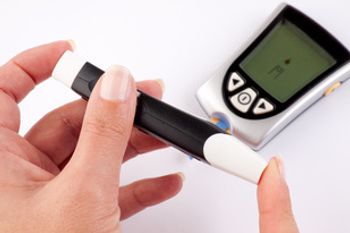
The consensus report was presented at the 79th Scientific Sessions of the American Diabetes Association in San Francisco, California.

259 Prospect Plains Rd, Bldg H
Cranbury, NJ 08512
© 2025 MJH Life Sciences®
All rights reserved.