
Myasthenia Gravis
Latest News
Advertisement
Latest Videos
CME Content


Advertisement
More News
Anti-acetylcholine receptor antibody (AChR-Ab) titers and the AChR-Ab rates of change correlated with myasthenia gravis disease severity scores in a recent study.

Sugammadex (Bridion; Merck) is a small-molecule oligosaccharide, also known as a modified gamma cyclodextin, that was approved by the FDA in 2015 to reverse the anesthesia-induced neuromuscular blockade from rocuronium bromide or vecuronium bromide.
For this study, outcomes were compared between 2 groups of patients with myasthenia gravis: those who developed exacerbations and those who did not experience exacerbations.

Across 5 research centers, investigators evaluated the impact of eculizumab on thymoma-associated myasthenia gravis, a severe disease subtype.
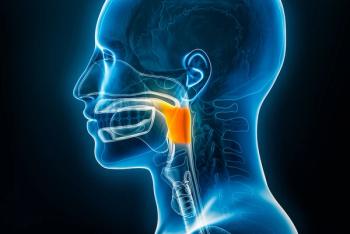
Respiratory patterns and submental surface electromyography may be a reliable indicator of dysphagia among patients with myasthenia gravis.

Patients with generalized myasthenia gravis experienced durable improvements across measures of efficacy and regardless of the time since they were diagnosed.
Review the most impactful news about myasthenia gravis (MG) in 2024.
Finding similar frequencies of positive acetylcholine receptor antibodies in patients with ocular and generalized myasthenia gravis (MG), a Danish research team posits that ocular disease is most likely a more moderate form of generalized MG—not a fully separate condition.

Across treatments, rozanolixizumab and batoclimab were most effective, though rozanolixizumab carried increased risk of adverse events (AEs) and serious AEs.

Myasthenia Gravis Foundation of America (MGFA) class correlates with activities of daily living and other clinical characteristics on a group level, but individual variability is significant between patients of the same MGFA class.
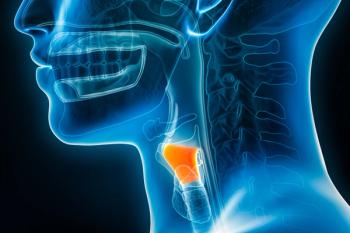
Recent insights shed light onto the most effective diagnostic tools for laryngeal myasthenia gravis (MG), a poorly understood and often misdiagnosed condition, is most reliably.

For some patients with myasthenia gravis (MG), activity and sleep were associated with reported fatigue and symptom levels.

A new study shows that COVID-19 infection significantly increases the risk of exacerbation in patients with myasthenia gravis (MG).

Patients with myasthenia gravis (MG) largely expressed negative emotions around MG treatment and symptom burden in patient focus groups and on MG social media discussion boards.

The data come from a systematic review of over 90 studies between 1952 through 2022, which found that both prevalence and incidence rates have than doubled throughout the study period.

Researchers introduce a telemedicine system powered by artificial intelligence (AI) that automatically scores neuromuscular examinations, offering the potential to enhance patient monitoring, reduce variability in clinical trials, and improve access to care for neuromuscular disorders like myasthenia gravis.

This new study investigated the impact of COVID-19 on patients with myasthenia gravis, finding that although most patients did not experience severe COVID-19, a significant portion suffered postinfection exacerbations.

A new subgroup analysis of patients with muscle-specific tyrosine kinase (MuSK) autoantibody-positive (Ab+) myasthenia gravis (MG) shows rozanolixizumab (Rystiggo) contributes to meaningful symptom improvement.

Two genes were shown to be significantly associated with higher prevalence of myasthenia gravis (MG), a relatively rare autoimmune disease.

Researchers identify certain predictive factors that impact the prognosis of patients with myasthenia gravis and COVID-19 infection.
Thoracoscopic thymectomy yielded quicker recovery time in myasthenia gravis (MG) while reducing disease severity, the need for treatment, and complications.
The researchers have detailed their complete findings of subcutaneous (SC) vs intravenous (IV) efgartigimod in generalized myasthenia gravis (gMG) from the phase 3 ADAPT-SC trial and initial findings from the open-label extension of the study, ADAPT-SC+.

A study suggests most patients with myasthenia gravis (MG) can take statins without experiencing symptom worsening.

New research shows how repetitive nerve stimulation and single fiber electromyography can help diagnose disorders such as myasthenia gravis.
The potential value of these biomarkers may help differentiate acetylcholine receptor antibody seropositive (AChR+) myasthenia gravis (MG) from healthy patients.
Advertisement
Advertisement
Trending on AJMC
1
TrumpRx Launch Brings Savings—and Uncertainty
2
5 Things to Know About the Oral GLP-1 Era
3
Exploring Identity, Appearance Experiences Among Patients With Alopecia
4
Stroke Subtype Does Not Affect Efficacy of Asundexian for Second Stroke Prevention
5