

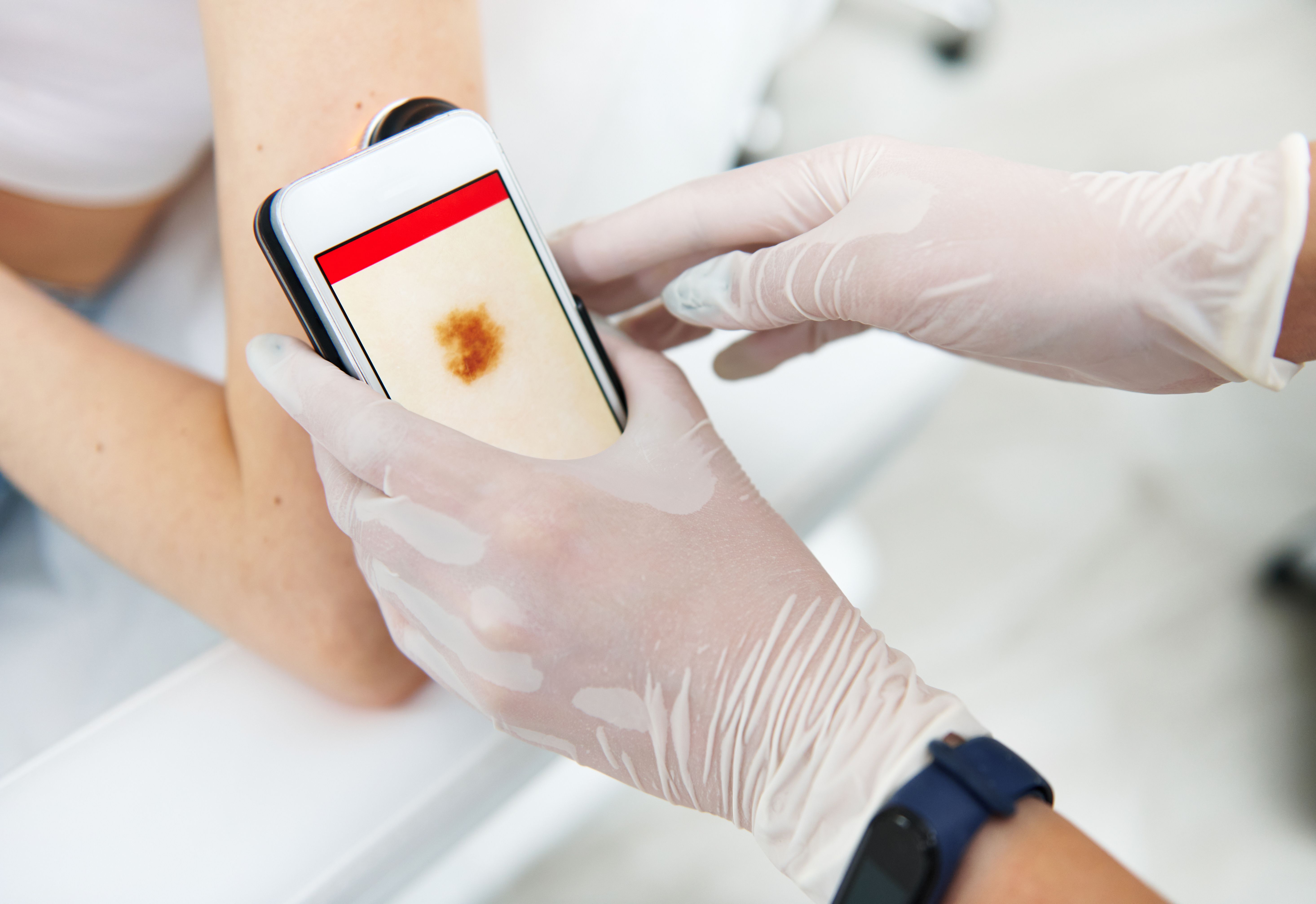



Dermatology
Latest Content

December 15th 2023
By AJMC Staff
A vaccine is showing promising results in treating melanoma; the Biden administration will implement inflation penalties on dozens of drugmakers to reduce out-of-pocket costs for Medicare recipients; the CDC issued an alert urging health care providers to increase immunization coverage for influenza, COVID-19, and respiratory syncytial virus (RSV).
Advertisement
Latest Videos




Advertisement
More News

Patients with diverse skin types can experience diagnostic delays, access to care issues, and quality-of-life burdens that a navigator program may be able to help alleviate.

Remibrutinib, an investigational, highly selective Bruton tyrosine kinase inhibitor, showed favorable results in the treatment of chronic spontaneous urticaria (CSU) in as early as 2 weeks in the phase 3 REMIX-1 and REMIX-2 studies.

Understanding the needs of gender-diverse patients and patients receiving gender-affirming hormones is crucial to equitable care and properly addressing patients' needs.

Peter A. Lio, MD, clinical assistant professor of dermatology and pediatrics at Northwestern University's Feinberg School of Medicine, lists barriers to care for dermatology patients.

The approval of secukinumab is the second approved biologic to treat hidradenitis suppurativa.

Recognizing that skin diseases such as atopic dermatitis, psoriasis, and hidradenitis suppurativa present differently in skin of color can prevent delays in diagnosis and treatment, explained James Song, MD, director of clinical research and associate chief medical officer at Frontier Dermatology.

Lauren Miller, PA-C, kicked off the inaugural 2023 Inflammatory Disease Summit by discussing the psychosocial impacts related to atopic dermatitis, psoriasis, and hidradenitis suppurativa.

During a recent Institute for Value-Based Medicine® event, speakers discussed the use of immunotherapy and targeted therapy to treat melanoma and managing the toxicities of these treatments.

A European Academy of Dermatology and Venereology study explored the pathway from dermatologic consult to diagnosis to treatment and outcomes in the health care system.

For patients who had 12 months of continuous health care coverage before and after receiving a diagnosis of vitiligo, treatment rates were at suboptimal levels.

There are many immunotherapy-caused skin toxicities, but most can be easily managed.
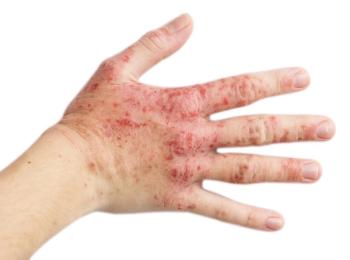
Sexual and gender minority (SGM) patients with chronic inflammatory skin diseases (CSIDs) may be disproportionately influenced by cost and noncost obstacles to health care.

Lisa Kottschade, RN, CNP, FAPO, a nurse practitioner at Mayo Clinic, discussed immune-related adverse events and biomarkers in relation to melanoma treatment.

A survey indicated that truncal acne may negatively impact adolescents’ and young adults’ quality of life and self-perception.

Meredith McKean, MD, MPH, the associate director of the Sarah Cannon Research Institute's Melanoma and Skin Cancer Research Program at Tennessee Oncology, discussed new melanoma studies and treatment developments.

Adalimumab in conjunction with surgery demonstrated more clinical effectiveness and improved quality of life in patients with hidradenitis suppurativa (HS) compared with outcomes in those treated with adalimumab alone.

Hidradenitis suppurativa (HS) may involve skin or nerve ending changes that could lead to peripheral neuropathy and changes in the transduction of specific stimuli.
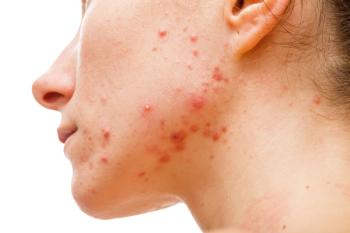
No significant differences in resistance were observed against participants with acne vulgaris (AV) against 7 antibiotics.
Fecal microbiota profiles were observed to be significantly different among patients with melanoma and controls, as well as those with early-stage and late-stage melanoma.

Hidradenitis suppurativa (HS) in elderly patients is not unusual and may be associated with male sex, study suggests.

Hidradenitis suppurativa (HS) contributes to an extensive weakening in work ability and productivity, as well as large loss of gross value added.

Variants associated with hidradenitis suppurativa (HS) near the SOX9 and KLF5 genes were associated with HS risk.

Researchers conducted systematic mapping of relevant digital health intervention literature to determine the impact of these interventions on dermatologic care outcomes.

The presence of sex differences in immunological functioning influences hidradenitis suppurativa (HS).

Studies showed the various treatments improved symptoms, but more trials need to be done.
Advertisement
Advertisement
Trending on AJMC
1
Preventing High-Cost Failure: A Value-Based Approach to Reducing Diabetic Limb Loss in US Managed Care
2
CGM Discharge Barriers Center on Prior Authorization and Education
3
FDA Approves First New Early-Stage BC Hormone Therapy in Over 20 Years
4
Value-Based Pilot for Medicaid Members With Substance Use Disorder
5