
Dani Castillo, MD, sheds light on the evolving landscape of first-line therapy in advanced gastric cancer.
Dani Castillo, MD, sheds light on the evolving landscape of first-line therapy in advanced gastric cancer.

Michael David Chuong, MD, discusses how SBRT has become a leading option for treating patients with colorectal liver metastases.

Yuman Fong, MD, discusses the evolution of colorectal liver metastases management from historical neglect to multimodal approaches.

Filippo Pietrantonio, MD, discusses findings from the phase 1/2 OrigAMI-1 study in RAS/BRAF wild-type mCRC.

Elena Elimova, MD, shares efficacy data for zanidatamab in patients with HER2-positive gastroesophageal adenocarcinoma from HERIZON-GEA-01.
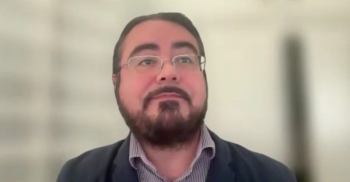
Enrique Velazquez Villarreal, MD, PhD, MPH, MS, reveals how AI is being used to identify early-onset CRC and enhance precision oncology.

Dietary guidelines recommend more whole foods and protein while reducing added sugar and highly processed foods for healthier eating.
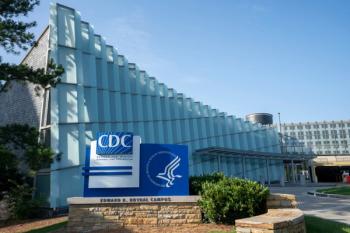
As the CDC shifts childhood vaccines to shared decision-making, new surveys show many Americans misunderstand what the policy means—and who it involves.

A study shows falling CRLM incidence and improved survival for synchronous disease, with persistent gaps for metachronous metastases.

A validated XGBoost model identifies psoriasis patients at high hyperglycemia risk, supporting personalized care through a user-friendly web calculator.

From home-based monitoring and subcutaneous immunotherapy to expanded community cancer networks, 2025 marked a pivotal year in rethinking how cancer care is delivered.
From cutting-edge AI detection tools to rising incidence in younger adults and threats to free screenings, 2025 brought major shifts in the struggle against colorectal cancer.

Leadership shakeups at the CDC, legal challenges, and growing scrutiny of the childhood immunization schedule have disrupted US vaccine policy.

Experts discuss the evolution, challenges, and next steps for value-based oncology payment models.

With new treatments, environmental insights, and evolving views on comorbidity shaping patient care, this is the most-viewed psoriasis content of 2025.

Zasocitinib met all primary and secondary end points, showing rapid PASI 75 responses and high rates of skin clearance vs placebo and apremilast.

Rucaparib’s full approval for BRCA-mutated mCRPC is supported by data showing significant gains in radiographic progression-free survival.

A last-minute push to extend Affordable Care Act subsidies was stopped as GOP leadership prevented an expedited vote, leaving the future of the subsidies uncertain.
These were the most-read articles on alopecia areata in 2025.

Twice-yearly depemokimab cuts asthma exacerbations in phase 3 trials for patients aged 12 and older with severe eosinophilic asthma.

High response rates, strong R0 resection, and low severe adverse events with neoadjuvant therapy plus immunotherapy were identified in a rectal cancer study.

The ustekinumab biosimilar DMB-3115 matched reference therapy in efficacy and safety for moderate to severe plaque psoriasis, according to a phase 3 trial.

Tom Kim, MD, of Sound Long-Term Care Management, discusses how serious illness and care coordination set these ACO patients apart.
From immunotherapy breakthroughs to early-stage scientific advances shaping the next generation of cancer care, these were the top oncology stories from AACR.

A large review identifies 70 safety signals for bimekizumab, confirming known risks while revealing previously unreported adverse events.

Adding ianalumab to eltrombopag significantly prolongs time to treatment failure, boosts 6-month response rates, and improves fatigue for adults with primary ITP.

A low-energy total diet replacement program before colorectal cancer surgery helped patients lose weight safely, improved certain symptoms, and showed cost-effectiveness.
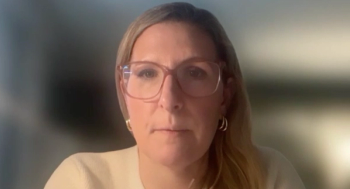
Joanna Rhodes, MD, MSCE, highlights significant racial and ethnic disparities that persist in access to preferred CLL treatments.

Ira Zackon, MD, discusses bispecific antibody use in multiple myeloma among community practices, reflecting real-world treatment trends.

Shayla Bergmann, MD, explains that recombinant von Willebrand factor is both safe and highly effective in controlling perioperative bleeding in children with severe von Willebrand disease.

259 Prospect Plains Rd, Bldg H
Cranbury, NJ 08512
© 2025 MJH Life Sciences®
All rights reserved.