JC Scott, CEO and president of The Pharmaceutical Care Management Association, discusses the evolving role pharmacy benefit managers (PBMs) play in addressing payer, provider, and patient needs.
JC Scott, CEO and president of The Pharmaceutical Care Management Association, discusses the evolving role pharmacy benefit managers (PBMs) play in addressing payer, provider, and patient needs.
Neha Kashalikar, PharmD, director of strategic pharmacy consulting, MassHealth, shares key components that makes a value-based contract successful.
Adam Colborn, JD, associate vice president for congressional affairs, AMCP, discusses key regulatory factors that managed care professionals must consider when implementing artificial intelligence (AI) in practice.

Posters presented at the 2025 American Academy of Dermatology Annual Meeting found tildrakizumab outcomes to have a mean drug survival of almost 3 years.
Susan Cantrell, CEO of the Academy of Managed Care Pharmacy, breaks down some of the key conference topics that will be discussed at this year's meeting.

Kimberly Westrich, MA, chief strategy officer at the National Pharmaceutical Council, highlights upcoming discussions on patient engagement, formulary management, and policy changes, including the Inflation Reduction Act.

Posters presented at the 2025 American Academy of Dermatology Annual Meeting found bimekizumab to have benefits beyond safety and efficacy findings.

A meta-analysis finds no significant increase in suicide-related events with glucagon-like peptide-1 receptor agonists.

Clinical characteristics were associated with different survival outcomes in patients treated with immune checkpoint inhibitor–based therapy.

Public health official warns the expanding measles outbreak could last a year.

Posters presented at the 2025 Muscular Dystrophy Association Clinical & Scientific Conference highlight the complex care needs and physical activity barriers for individuals with myotonic dystrophy.

Biologics targeting interleukin (IL)-12, IL-23, or IL-17 reduced serious infections, while tofacitinib increased infection risk, according to one study.

This new study has found perceived discrimination in health care leads to delayed visits, especially among younger and minority patients.

Michael Chernew, PhD, professor of health care policy and director of the Healthcare Markets and Regulation Lab, Harvard Medical School, shares how cost-sharing policies shape access to critical health care services and influence value-based insurance design.
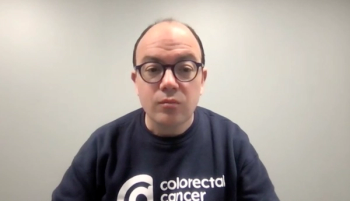
Michael Sapienza, CEO of the Colorectal Cancer Alliance, discusses ways that physicians can support patients through their colorectal cancer journey.

As health care costs continue to rise and the burden of chronic disease grows, data-driven insights will be essential in shaping the future of patient care, according to experts from Komodo Health and SmarterDx.

Vaccine hesitancy and higher rates of school vaccine exemptions increases the risk of outbreaks of preventable diseases, creating a significant health risk for vulnerable populations.

Biological age, rather than chronological age, may be a stronger predictor of colorectal cancer risk—especially in older adults.

Two posters presented at the 2025 American Academy of Dermatology Annual Meeting highlighted the importance of improving quality of life in patients with moderate to severe scalp psoriasis.

Study links short sleep and snoring to increased type 2 diabetes risk in women with prior gestational diabetes.

Tiffany Meng, PharmD, an oncology pharmacist, UCSF Health, discusses how pharmacists help mitigate financial toxicity for patients with breast cancer.

The American College of Gastroenterology warns millions may lose access to life-saving colorectal cancer screenings.

Tildrakizumab showed early and sustained effectiveness and quality of life (QOL) improvements in patients with moderate to severe psoriasis across 2 studies.

Here are key facts, risk factors, and life-saving screening recommendations for colorectal cancer prevention and treatment.

Jay Bhattacharya, MD, PhD, defended his vision for the National Institutes of Health in a Senate committee confirmation hearing, tackling concerns on research funding, public trust, and scientific integrity.

The US Multi-Society Task Force updates 2014 recommendations, emphasizing split-dose prep, diet flexibility, and quality tracking.
Tiffany Meng, PharmD, an oncology pharmacist, UCSF Health, shares how pharmacists can collaborate with physicians to find the most effective and affordable therapies for patients.

A new clinical trial finds no cardiovascular benefit from high-dose multivitamins, with or without chelation therapy, in patients with diabetes and past myocardial infarction.
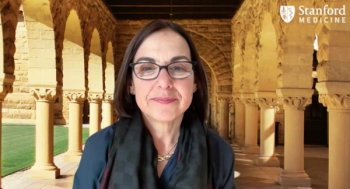
Lidia Schapira, MD, FASCO, professor of medicine at Stanford Medicine, medical oncologist, and director for the Stanford Cancer Institute and the Stanford Comprehensive Cancer Center, shares ways in which clinicians can help enhance patient engagement and shared decision-making.
Tiffany Meng, PharmD, oncology pharmacist, UCSF Health, discusses ways that pharmacists can help guide patients to financial assistance programs to help facilitate better access to breast cancer therapies.

259 Prospect Plains Rd, Bldg H
Cranbury, NJ 08512
© 2025 MJH Life Sciences®
All rights reserved.