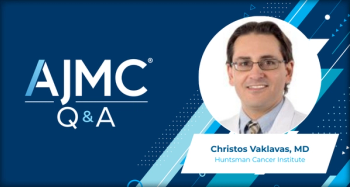
Christos Vaklavas, MD, discussed barriers limiting rural oncology access and challenges to adopting resource-intensive therapies.
As utilization of GLP-1s grows for diabetes and weight management, out-of-pocket expenses and affordability concerns may affect broader health care policy discussions.
Glucagon-like peptide-1 (GLP-1) receptor agonists have become a cornerstone in the management of
“GLP-1 medications offer meaningful health benefits, but this survey highlights trends and concerns related to medication cost and long-term accessibility to these drugs,” said Sharon Faust, PharmD, MBA, CSP, chief pharmacy officer, Navitus Health Solutions,
The survey found that 68% of GLP-1 users reported that cost influenced their decision to start or continue treatment, underscoring cost as a primary barrier to access for this class of medications. Respondents included individuals using widely prescribed GLP-1 agents such as Ozempic, Wegovy, Mounjaro, and Zepbound, which are indicated for glycemic control in type 2 diabetes and, in some cases, for chronic weight management.
High out-of-pocket costs were frequently reported: 24% of respondents said they pay more than $250 per prescription fill, and nearly 8% reported paying $500 or more per fill for their GLP-1 medication. Furthermore, 44% said their GLP-1 cost was higher than expected, and 60% know someone who wants to take a GLP-1 but cannot afford it.
For many patients, cost concerns have led them to seek discount programs or manufacturer coupons; nearly 40% have used such programs to reduce out-of-pocket costs. However, survey respondents also voiced concern about lower-cost alternatives, such as GLP-1 products available through direct-to-consumer channels that are not FDA-approved. Nearly 60% were aware of safety risks associated with these non-approved products, and more than 86% said they would be willing to pay more for FDA-approved medications.
Cost concerns among GLP-1 users extend beyond individual financial strain to perceptions of broader health care system sustainability. More than 70% of respondents supported minimum coverage requirements, such as prior authorization or body mass index thresholds, to help manage access to GLP-1 prescriptions responsibly.
The expanding use of GLP-1 receptor agonists has also contributed to increasing pharmacy spending within health plans, even as some organizations work to mitigate costs through formulary strategies and transparent pricing. For example, Navitus’ annual drug trend reports highlight how rising utilization of costly specialty medications—including GLP-1 receptor agonists—continues to put pressure on drug cost trends for plan sponsors.
These survey findings align with broader public sentiment about GLP-1 affordability documented in other health cost polling.2 A KFF Health Tracking Poll found that about half of adults who have taken GLP-1 drugs, including those with insurance, reported difficulty affording them, and more than one in five indicated that they paid the full cost out of pocket.
As GLP-1 therapies gain popularity due to their clinical benefits, affordability issues risk limiting access and adherence, particularly among patients with chronic metabolic conditions.1 The Navitus survey highlights the urgent need for collaborative solutions involving employers, health plans, manufacturers, and policymakers to address cost barriers while ensuring that patients who benefit from GLP-1 medications can maintain long-term, evidence-based treatment.
“Without thoughtful benefit strategies, affordability challenges will continue to grow,” said Faust in a statement. “Employers, health plans, and manufacturers must work together to manage costs responsibly while protecting access for patients who need these medications most.”
References
1. 68% of GLP-1 users say cost influenced their treatment decisions. News release. Navitus Health Solutions. February 24, 2026. Accessed February 24, 2026.
2. Montero A, Sparks G, Presiado M, Hamel L. KFF Health Tracking Poll—May 2024: the public’s use and views of GLP-1 drugs. KFF. May 10, 2024. Accessed February 24, 2026.