
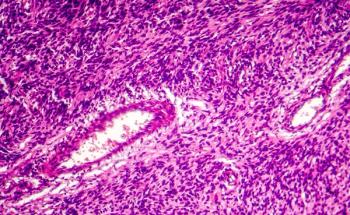
Inconsistent definitions limit pathological response as a soft tissue sarcoma marker, according to a narrative review.
Community oncology practices face major infrastructure and reimbursement gaps when delivering bispecific antibodies.
Beyond clinical expertise, bringing bispecific antibody therapies to patients close to home requires a system overhaul that community oncology practices are not yet fully equipped to deliver, according to Lekan Ajayi, PharmD, chief operating officer of Highlands Oncology Group.
Ajayi's comments come as bispecific antibodies move steadily toward earlier lines of therapy and into community settings, raising urgent questions about site-of-care readiness, reimbursement gaps, and the workforce demands that will follow.
Throughout 2026, Ajayi will act as moderator of The American Journal of Managed Care®’s
One of the most immediate operational challenges Ajayi flagged is step-up dosing, in which a drug's dose is incrementally escalated over time to reduce toxicity risk. Although clinically necessary, the staffing time and coordination that step-up dosing demands represent a cost that current reimbursement structures do not adequately cover.
"From an operational standpoint, it's just how much time and resources that takes," Ajayi said. "In community oncology in general, those are things that are not really reimbursed for. It's a substantial cost to the practice to be able to deliver these therapies."
Beyond the financial toll, step-up dosing in community settings requires coordination across multiple sites of care. Many initial doses are administered in the hospital setting due to the acuity of early toxicity monitoring, which is a logistical reality that adds complexity and cost. Ajayi described the level of care coordination involved as "resource extensive," particularly for community practices that may lack formal hospital affiliations.
This reimbursement gap echoes concerns raised about bispecific antibody operationalization by Brooke Peters, PharmD, BCOP, a clinical pharmacist at the American Oncology Network. At the
Ajayi outlined 3 pillars of a successful bispecific antibodies program in the community: education, language standardization, and reimbursement security.
On education, Ajayi emphasized that the right training must reach the right people at the right time. That means not only clinicians administering the drugs but also those monitoring patients for adverse events.
"Having a very good education program is extremely important," he said, noting that anticipating symptoms, and not just reacting to them, is central to safe outpatient delivery.
Communication infrastructure within and across care settings is equally important. Ajayi stressed the need to standardize clinical language between clinic and hospital teams so that toxicity signals are interpreted and escalated consistently. Without shared terminology, he warned, hand-offs between community and inpatient settings become vulnerable.
Finally, Ajayi pointed to reimbursement as a nonnegotiable foundation. Because bispecific antibodies carry high acquisition costs and require intensive monitoring, practices must have confidence that their claims will be paid. "If we're going to take the risk to deliver these drugs at a very high cost, how do we make sure that we are getting reimbursed for these drugs?" he said.
These operational demands are compounded by the toxicity profile of bispecific antibodies themselves. There are infection risks associated with B-cell maturation antigen bispecific antibodies, including hypogammaglobulinemia stemming from total B-cell depletion. Ajay K. Nooka, MD, MPH, of Emory University's Winship Cancer Institute, has described prophylactic guardrails—including monthly intravenous immunoglobulin supplementation and vigorous growth factor use—as essential safeguards for patients receiving these agents.2 The ability to implement and monitor these protocols in a community setting is itself a resource-intensive undertaking.
As bispecific antibodies move into earlier lines of therapy, the population of eligible patients is expected to grow substantially, but the infrastructure to match that growth does not yet exist.
"We need enough providers who can respond, triage pathways, and all those things still need to be built," he said, invoking a phrase borrowed from Debra Patt, MD, the executive vice president of policy and strategic initiatives at Texas Oncology and a past president of the Community Oncology Alliance: bispecifics are like Ferraris on roads that haven't been built yet. "You have really advanced treatments, but the paths to the delivery of these treatments are really not well advanced."
Peters, speaking to the same challenge from a pharmacy perspective, similarly cautioned that programs must be designed with future scale in mind from the outset. She noted that broader staff training and procedures capable of accommodating large patient volumes will be essential as bispecifics move into earlier treatment lines.1
The workforce implication is significant. Prior authorization processes, care coordination requirements, and patient monitoring protocols will need to evolve alongside the clinical evidence, and payers will increasingly be called upon to support the infrastructure investments that make community delivery feasible.
References