

Community oncologists cited prior authorization as a care barrier, even as AI adoption doubled in 2026, according to the Oncology Care Index.
Community oncologists cited prior authorization as a care barrier, even as AI adoption doubled in 2026, according to the Oncology Care Index.
Stephen "Fred" Divers, MD, discusses how COA study data push back on payer bias and support community oncology's long-term sustainability.
Stephen “Fred” Divers, MD, discusses findings showing community oncology delivers outcomes comparable with academic care for breast cancer and NSCLC.
Stephen "Fred" Divers, MD, previews PCOC 2026, including his session on the Oncology Care Index and the gap in AI adoption in oncology.

Designated teams, standardized SOPs, and scalable workflows are essential before a community practice's first bispecific dose.

Quest Diagnostics is integrating its Haystack MRD and genomic profiling tests into Flatiron's OncoEMR, starting with an AON community oncology pilot.

Community oncology practices are building bispecific programs in diverse configurations to retain patients and scale safely.

Community oncology practices face major infrastructure and reimbursement gaps when delivering bispecific antibodies.

Ohio cancer care leaders identified persistent gaps in quality, pharmacy infrastructure, bispecific access, and biomarker testing at a May 2026 summit.

Discussions highlighted implementing innovative treatments and ensuring patients treated in the community setting have equitable access to advanced therapeutics.
Community pharmacists must build scalable workflows as bispecific antibodies move into earlier lines and outpatient settings, notes Brooke Peters, PharmD, BCOP, of AON.
Leaders from the American Oncology Network discuss they help practices navigate the implementation of complex therapies, in ways that make sense for patients and work financially for practices.
Payer contracts should incentivize the delivery of comprehensive, total-person cancer care, says Brian Mulherin, MD.
Despite systemic challenges, oncology practices use value-based care, community partnerships, and clinical trials to improve patient access and outcomes, says Brian Mulherin, MD.
Oncology care requires teamwork, support services, and careful planning to ensure effective, affordable, and patient-focused treatment, according to Brian Mulherin, MD.

As therapeutic advances enable patients with cancer to live longer, greater attention is needed to support the goal of survivorship, starting at diagnosis.

Explore cutting-edge discussions on patient-centered oncology, value-based care, AI innovations, and survivorship strategies Thursday and Friday at PCOC 2025 in Nashville.

Remote patient monitoring enhances cancer care by improving outcomes and reducing emergency visits, despite challenges in reimbursement and technology access.
Community oncology leaders navigate challenges in value-based care under the Enhancing Oncology Model, facing performance payment uncertainties and evolving drug markets.
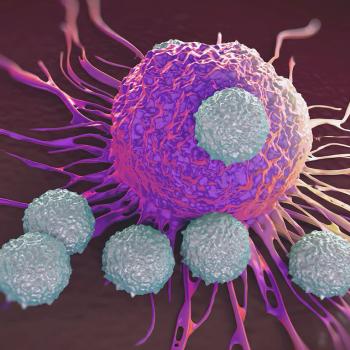
The FDA's removal of REMS for CAR T-cell therapies enhances access for community oncology, paving the way for innovative treatments and improved patient outcomes.


The 2025 Community Oncology Conference empowered attendees with insights on advocacy, innovation, and practical strategies for enhancing community cancer care.

Experts at the Community Oncology Conference discuss innovative patient navigation programs, emphasizing technology's role and the importance of human connection in cancer care.

Experts emphasize the need for enhanced clinical trial infrastructure in community oncology to ensure equitable access to innovative therapies for all patients.
Oncology leaders from Alliance Cancer Specialists, American Oncology Network, CHI St. Vincent, Memorial Sloan Kettering Cancer Center, and New York Cancer & Blood Specialists discussed the power of collaboration in cancer care, highlighting partnerships that enhance patient outcomes and resource sharing in community practices.

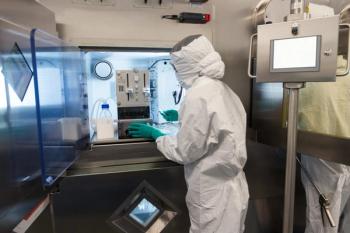
This article appears in the April issue of Evidence-Based Oncology.
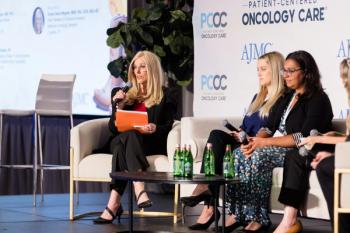
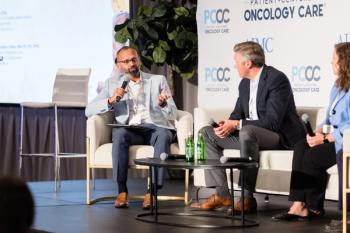

It’s hard for practicing oncologists to stay on top of the latest clinical data, but good partnerships and clinical decision support tools can assist.