





ASCO officials characterized the results as practice changing and said they highlighted the need for genetic testing in patients who receive a diagnosis of high-risk breast cancer.
ASCO officials characterized the results as practice changing and said they highlighted the need for genetic testing in patients who receive a diagnosis of high-risk breast cancer.

The 2-day meeting of the American Cough Conference will cover new developments in the treatment of cough, as well as insights into the mechanisms and management of cough, said Peter Dicpinigaitis, MD, chair of the American Cough Conference.

Stakeholders discuss barriers and solutions to employer engagement on value assessment, which includes redefining goals to that of the employer and patient, and moving beyond the scope of cost and clinical outcomes.

Treating cough can be difficult. There are no FDA-approved therapies on the market in the United States, and companies with drugs in clinical trials have to contend with a large placebo effect.

If 2020 was dominated by the news of how COVID-19 spread across the globe, then 2021 has so far been focused on ending the pandemic through vaccine distribution.

In this white paper from Humana, the authors discuss how the aftermath of COVID-19 will require the frequent use of screeners and tools to assess changes in health status, including health-related quality of life and social health. Taking into account the results that matter most to patients will be key to improving health outcomes.

On the eve of the 40th anniversary of the CDC’s first report on what would become known as HIV/AIDS, Perry N. Halkitis, PhD, MS, MPH, sends out an urgent call to continue this fight and rededicate resources to finding a cure.

A new analysis reveals penalties levied under a CMS program to improve the quality of care at dialysis centers did not lead to significant change.

Highlighting the latest ophthalmology-related news reported across MJH Life Sciences™.

Rachael McCann, senior director at Willis Towers Watson, speaks of the greater need for mental health and well-being resources from employers to address caregiving demands amid the pandemic.

Christine Ko, MD, professor of dermatology and pathology at Yale University, reflects on her use of telehealth and how it allowed her to establish and maintain emotional connections with her patients, all at high risk of skin cancer.

An overview of the latest news in Parkinson disease reported across MJH Life Sciences™.

Between 2014 and 2018, annual diagnoses for HIV in an emergency department (ED) in Hamilton County, Ohio, more than doubled, from 20 to 42.

On this episode of Managed Care Cast, we speak with Gregory Harris, MD, MPH, DFAPA, senior medical director for behavioral health at Blue Cross Blue Shield of Massachusetts, about the challenges of meeting the demand for mental health service during the COVID-19 pandemic.

A higher risk of COVID-19–related mortality was found among hospitalized patients with Parkinson disease (PD) than in the general population. Overall inpatient mortality of those with PD was also significantly higher in 2020 than in the year prior.

Mount Sinai research released today shows a possible link between excess pericardial fat and greater risk of heart failure, with implications for early intervention and prevention of heart disease.
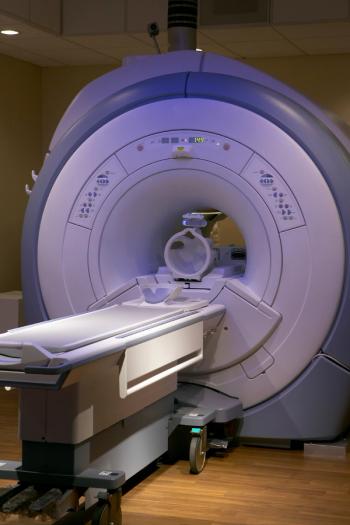
Ultrasounds and MRI are both used to monitor inflammation activity in rheumatoid arthritis, but their value in refining future treatment strategies has so far been unknown.
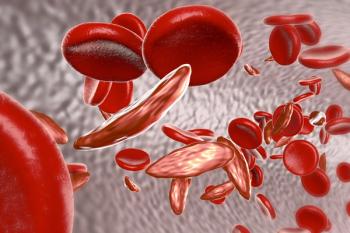
Patients with sickle cell disease face substantial health care utilization and impaired health-related quality of life (HRQOL).

Matthew Reynolds, PhD, vice president of real-world evidence at IQVIA, discusses findings of a recent paper with the National Pharmaceutical Council on how COVID-19 affected real-world data and research, as well as implications for future studies.

An overview of the latest news in Parkinson disease reported across MJH Life Sciences™.

Results of a US claims database show erenumab is associated with reduced acute medication use and health care resource utilization.

The technique uses optical coherence tomography angiography to assess the motion of blood flow, instead of static images.

Mark Trusheim, MS, BS, strategic director at the NEW Drug Development ParadIGmS program and visiting scientist at Massachusetts Institute of Technology, explains factors involved when considering whether a therapy would be suitable for performance-based contracting.

It is already known that dual-eligible older adults are at an increased risk for death in the year following a stay in the intensive care unit (ICU), but it previously wasn't known whether dual-eligible status is linked with functional decline after an ICU stay.

Patients with refractory or unexplained chronic cough are concerned about how they appear to others, and it takes them many years to get diagnosed, according to posters presented at the American Thoracic Society 2021 International Conference.

259 Prospect Plains Rd, Bldg H
Cranbury, NJ 08512
© 2025 MJH Life Sciences®
All rights reserved.