
Health Care Delivery
Latest News

Advertisement
Latest Videos








Advertisement
More News

Medicare Advantage enrollees, particularly Hispanic and Asian or Pacific Islander decedents, use less end-of-life home health care than those enrolled in traditional Medicare.

Sen. Bill Cassidy, MD, (R, Louisiana) holds a key vote on Robert F. Kennedy Jr's HHS Secretary confirmation. When Cassidy asked for a strategy on Medicare and Medicaid, Kennedy could not provide one.

Extranodal non-Hodgkin lymphoma (NHL) makes up over one-third of NHL cases, yet remains understudied and in need of deeper research considerations.

The latest semaglutide (Ozempic; Novo Nordisk) approval is set to tackle a major need for patients with both type 2 diabetes (T2D) and chronic kidney disease (CKD), addressing their cardiovascular (CV) and kidney disease risks.

The annual wellness visit is beneficial for patients, providers, and payers with an emphasis on preventive care for early intervention.

Eleven drugs are poised to reach blockbuster status, dramatically improving patient outcomes on a global scale.

The investigators believe their decades-spanning analysis underscores the need to address access barriers to anti-obesity therapeutics.

Kirollos Hanna, PharmD, BCPS, BCOP, FACCC, director of pharmacy at Minnesota Oncology, discusses how the prospect of patient longevity, amidst advancing therapeutics, factors into oncology care.
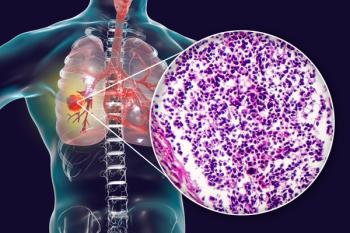
Newer treatments target pathways like Delta-like ligand 3, poly-ADP-ribose polymerase, and histone deacetylase to address small cell lung cancer's aggressive nature and resistance to conventional therapy.

Serum soluble interleukin-2 receptor (sIL-2R) levels have been a great diagnostic tool for non-Hodgkin lymphoma (NHL) and could provide further benefits for distinguishing soft-tissue NHL from other soft tissue tumors.

Highlights from last week include President Trump's executive orders, the FDA approval of esketamine nasal spray for depression, mental health access through Medicaid Managed Care, the impact of travel time on surgical outcomes, and life expectancy disparities.
Bispecific antibodies have altered the multiple myeloma (MM) treatment landscape, but some practices still lack enough familiarity with these therapeutics to deliver them in outpatient settings.
On this episode of Managed Care Cast, we speak with the author of a study published in the January 2025 issue of The American Journal of Managed Care® to examine the association between quantitative network adequacy standards and mental health care access among adult Medicaid enrollees.

While higher patient-reported Psoriatic Arthritis (PsA) Impact of Disease questionnaire (PsAID-12) scores were associated with treatment escalation, physicians primarily relied on clinical assessments when making treatment decisions.

Clinically significant reductions in bleeding underscore abelacimab’s strong potential to address an unmet need for patients with atrial fibrillation (AFib).

President Donald Trump's initial executive orders target previous efforts to reduce health care costs, pandemic preparedness, and international partnerships, showing a stark contrast to the Biden administration.

Christopher Sayed, MD, discusses how hidradenitis suppurativa typically presents and looks forward, following the November approval of bimekizumab.

Analyzing patients' travel time to receive emergency surgical services provides valuable insights that can inform policy reform and address the needs of rural communities.

Infection risk remains a prominent clinical concern for patients with multiple myeloma (MM), even with the advent of modern, novel therapies.

Attorneys General from several districts have come together in a lawsuit seeking damages from Walgreens for allegedly knowingly filling opioid prescriptions that lacked a genuine medical purpose.

Peptidomics offered new diagnostic insights into the underlying processes of metabolic dyfunction-associated steatotic liver disease (MASLD).

The COVID-19 pandemic accelerated the widespread adoption of telemental health care, and new research indicates significant racial and ethnic disparities in access to this technology among Medicaid beneficiaries with schizophrenia.

An increased public interest and support for medication abortion following the federal Supreme Court ruling, particularly among marginalized groups, suggests a shift towards more accessible and autonomous models of abortion care.

The findings challenge the effectiveness of these widely used transitional care interventions and suggest a need for more targeted, multifaceted approaches to address the needs of higher-risk patients.

Patient outcomes appeared to be more heavily driven by breast cancer stage than delays in diagnosis, researchers found.
Advertisement
Advertisement
Trending on AJMC
1
TrumpRx Launch Brings Savings—and Uncertainty
2
As Cencora Closes With OneOncology, Patton Says Terms Show “Trust”
3
Benefits, Tradeoffs of Medically Integrated Dispensing in Oncology Care: Katherine Tobon, PharmD, BCOP
4
Asundexian Reduces Risk of Stroke Recurrence in Phase 3 OCEANIC-STROKE Trial
5