



Clinical
Latest News

Advertisement
Latest Videos




CME Content


Advertisement
More News

A recent study found that early interventions are vital in childhood cases of insomnia, as symptoms do not fully remit in at least 60% of cases.

Judith Lavrich, MD, and Jordan Hamburger discuss the need for more research on the impact of screen time on eye health following their study on virtual school and children's eyesight.

According to authors of a cross-sectional study, abnormalities in thalamic functional connectivity are a likely mechanism for migraine development.

Integrating plasma next-generation sequencing (NGS) alongside tissue testing when determining lung cancer diagnosis may improve outcomes for patients.

Rachna Shroff, MD, associate dean of clinical and translational research and associate professor of medicine at the University of Arizona, offered a review of early-stage research in her talk, “The Hottest Targeted Therapies on the Horizon for Cholangiocarcinoma.”

The co-chairs of the Cholangiocarcinoma Foundation 2022 meeting, Lipika Goyal, MD, MPhil, of Harvard and Massachusetts General Hospital, and Jesper B, Andersen, PhD, of the University of Copenhagen, Denmark, reviewed clinical and scientific developments.

During the annual meeting of the American Academy of Allergy, Asthma and Immunology, presenters said findings from a second phase 3 trial of dupilumab for eosinophilic esophagitis (EoE) continued to show the biologic improved symptoms in adults and adolescents.

A new study from Japan has investigated possible associations between cognitive frailty and overall prognosis among elderly individuals who have heart failure.

Research has shown that adoptive immunotherapy using natural killer cells may be beneficial in leukemia treatment. The follow-up to a recent study found that the dose of alloreactive natural killer cells matters for treatment response.

A webinar by the National Cancer Treatment Alliance discussed current use and diagnostic/therapeutic benefits of comprehensive genomic profiling in oncology, as well as recommendations for employers and benefit consultants considering biomarker testing.

On this episode of Managed Care Cast, Nadereh Pourat, PhD, MSPH, and Alex Sripipatana, PhD, MPH, discuss research on care complexity and utilization patters of patients at federally qualified health centers (FQHCs).

Researchers found closure of patent foramen ovale could result in reduced monthly migraine days.

Improvements, explained the researchers, were mainly driven by younger patients, with smaller improvements seen in older patients.

Jardiance (empagliflozin) received approval from the FDA for a new indication to treat heart failure in a broader range of patients, including those with preserved ejection fraction.

This new study, conducted among individuals receiving treatment at Cancer Center of Kansas, investigated the potential benefits of incorporating liquid biopsy into community-based oncology practices.

A quasiexperimental study conducted in China provides strong evidence that air pollution is linked to kidney impairment, which points to the importance of policy efforts to ensure clean air.

Researchers analyzed declines in clinical trial enrollment and asked sites what mitigation strategies they employed to meet the reduction.

New research indicates that migraine frequency may be inversely linked with a diet high in anti-inflammatory properties.

The supplemental new drug application (sNDA) filing includes data from 2 pivotal randomized phase 3 global studies, ALPINE and SEQUOIA, of chronic lymphocytic leukemia or small lymphocytic lymphoma (CLL/SLL). The target action date is October 22, 2022.

Patients with histories of inflammatory bowel disease and systemic lupus erythematosus were also at elevated risks of myelodysplastic syndromes (MDS), the authors found.

This new study investigated the relationship between cardiac function and hemodynamics among individuals presenting with heart failure with preserved ejection fraction (HFpEF) and normal levels of N-terminal prohormone B-type natriuretic peptide (NT-proBNP).

Drugs targeting FGFR mutations, which are seen in patients with intrahepatic cholangiocarcinoma (CCA), have generated particular excitement; the authors note that prior to the approval of pemigatinib, the first targeted therapy approved by FDA, only 15% to 25% of patients with CCA were “fit enough to receive second-line chemotherapy.”

The mutation is more common than expected and associated with poor outcomes, according to researchers from St. Jude Children’s Research Hospital.
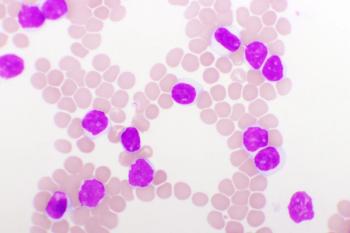
Myelodysplastic syndrome has a variety of clinical presentations, including bone marrow fibrosis. Previously, the presence of fibrosis has not been considered in disease risk scoring in MDS, but recent research suggests it may be a valuable risk factor.

According to researchers, their findings warrant close surveillance of weight and BMI/age z-scores for patients with type 2 spinal muscular atrophy (SMA).
Advertisement
Advertisement
Trending on AJMC
1
TrumpRx Launch Brings Savings—and Uncertainty
2
How Do GLP-1 Agonists Fit Into Stroke Care?
3
5 Things to Know About the Oral GLP-1 Era
4
Aligning Treatment Goals in IgA Nephropathy: Applying KDIGO’s Dual-Pathway Framework to Clinical Decision-Making
5