
Clinical
Latest News
Advertisement
Latest Videos






Advertisement
More News

In May, the FDA granted significant drug approvals across various therapeutic areas, marking notable progress in expanding treatment options for patients.

A panelist discusses how ITP diagnosis remains one of exclusion requiring thorough testing to rule out other causes of thrombocytopenia, followed by patient education about autoimmune diseases and bleeding symptoms like nosebleeds, bruising, and petechiae.

Patients with myelodysplastic syndrome (MDS) who received luspatercept showed greater hemoglobin gains and transfusion independence compared with erythropoiesis-stimulating agents (ESAs) in a real-world analysis.

The 2025 European Hematology Association (EHA) Congress, convening virtually and in Milan, Italy, from June 12 to June 15, 2025, will feature a revamped program structure for the meeting’s 30th anniversary while maintaining ample opportunities to network, debate, and absorb practice-changing findings in hematology and oncology.

The PURPOSE trials illuminated the ways in which lenacapavir could be used as a means of pre-exposure prophylaxis effectively, but also featured several adverse events.

Brian Slomovitz, MD, of Mount Sinai Medical Center, compares relacorilant plus nab-paclitaxel with existing treatments for platinum-resistant ovarian cancer and highlights the ROSELLA trial’s global scope.
Panelists discuss how disease progression despite treatment in older patients with spinal muscular atrophy (SMA) may be due to natural aging effects combined with SMA, not necessarily treatment failure, highlighting the importance of exercise, nutrition, and management of contractures.

Panelists discuss how health systems can learn from published case examples when implementing biosimilars, noting that biosimilars can create a “win-win” situation where patients see lower costs, payers see lower charges, and providers may experience better margins.
Panelists discuss how implementing interchangeable biosimilars requires effective communication with providers and patients, emphasizing that educating stakeholders before making changes is essential for successful adoption despite the legal permissions afforded by interchangeability designation.
Panelists discuss how splice modifiers work by enhancing protein production from the SMN2 gene, with risdiplam (Evrysdi) being an oral daily medication and nusinersen (Spinraza) being administered intrathecally quarterly, both showing similar safety and efficacy profiles.
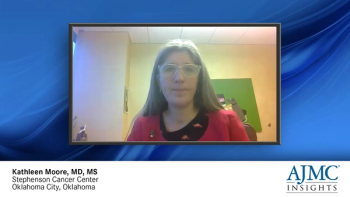
Experts explore the evolving landscape of ovarian cancer treatment, emphasizing the need for targeted therapies and biomarker-driven approaches.
Panelists discuss how emerging DPP1 inhibitor therapies target neutrophil serine proteases to reduce neutrophilic inflammation and neutrophil extracellular trap formation in bronchiectasis.
Innovative therapies for ovarian cancer, including engineered T cells and antibody-drug conjugates, show promise in improving patient outcomes.
Panelists discuss how surgical approaches for bronchiectasis have evolved from open thoracotomy to minimally invasive techniques (VATS or robotic assisted), reducing hospital stays from 5 to 7 days to 1 to 3 days and recovery time from 6 to 8 weeks to 2 to 6 weeks.

Men’s Health Month 2025 encourages men to adopt preventive care and healthy lifestyle habits to improve overall health outcomes.
Relacorilant combined with nab-paclitaxel (Abraxane) significantly improved progression-free and overall survival in patients with platinum-resistant ovarian cancer in the phase 3 ROSELLA trial, according to Brian Slomovitz, MD, one of the investigators.

Older adults with cardiovascular disease (CVD) or CVD risk factors report that gaps in communication among their providers are common and hazardous.
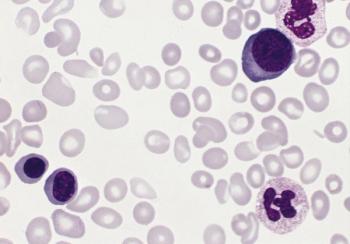
Adding rusfertide to standard of care more than doubled the share of patients with polycythemia vera (PV) who did not meet criteria for a phlebotomy, according to data from the VERIFY trial.


Panelists discuss how alectinib use in the adjuvant setting might shift sequencing strategies in metastatic ALK+ non–small cell lung cancer (NSCLC) and how resistance mutations influence post-frontline therapy selection.
Panelists discuss how step-therapy for immunoglobulin A (IgA) nephropathy is evolving toward a more personalized approach, starting with optimized supportive care before progressing to targeted therapies based on risk stratification, disease characteristics, and biomarker profiles.
Panelists discuss how to overcome barriers to comprehensive molecular testing and how to prioritize treatment when ALK+ non–small cell lung cancer (NSCLC) coexists with other actionable biomarkers.
Panelists discuss how patient-reported outcomes including symptom burden, treatment-related adverse effects, preserved functionality, and impact on quality of life should be prioritized alongside traditional clinical measures when assessing the value of immunoglobulin A (IgA) nephropathy therapies.

CK Wang, MD, explains that Black women face higher rates of late-stage breast and ovarian cancer diagnoses, demonstrating the need for better screening guidelines and more representative data.
Advertisement
Advertisement
Trending on AJMC
1
TrumpRx Launch Brings Savings—and Uncertainty
2
As Cencora Closes With OneOncology, Patton Says Terms Show “Trust”
3
Benefits, Tradeoffs of Medically Integrated Dispensing in Oncology Care: Katherine Tobon, PharmD, BCOP
4
Asundexian Reduces Risk of Stroke Recurrence in Phase 3 OCEANIC-STROKE Trial
5