




Clinical
Latest News
Advertisement
Latest Videos






CME Content


Advertisement
More News

Among adults 40 years and older with chronic obstructive pulmonary disease (COPD), there is a higher prevalence of cardiovascular diseases (CVDs) compared with a general population without COPD.
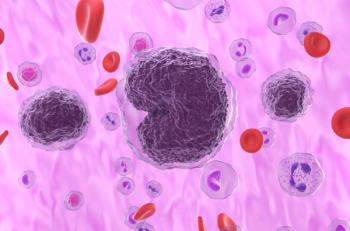
Salvage radiation therapy (RT) showed efficacy in local control of relapsed or refractory large B-cell lymphoma (LBCL) following CD19-targeted chimeric antigen receptor (CAR) T-cell therapy failure.

Dr. Gerd examines the clinical choices involved in the management of PV, following the directives of NCCN guidelines.
Dr Gerds explores similarities and differences in symptomatic patients compared to asymptomatic patients with PV.

Drugmakers turn to artificial intelligence (AI); new reports of vaccine appointment cancellations or insurance issues; Biden plans to clear Americans’ credit scores of medical debt.

Meredith McKean, MD, MPH, the associate director of the Sarah Cannon Research Institute's Melanoma and Skin Cancer Research Program at Tennessee Oncology, discussed new melanoma studies and treatment developments.

This study highlights the importance of trials and interventions to prevent seizures in patients with a history of stroke.

Experts examine primary and acquired resistance mechanisms in immunotherapy, while promoting realistic treatment strategies.
Experts explore the utilization of next-generation sequencing, including liquid biopsies, in mNSCLC Diagnosis.
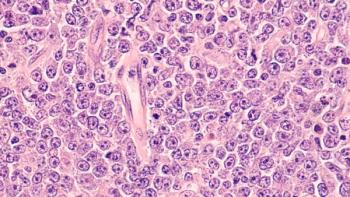
Subcutaneous epcoritamab produced deep and durable complete remissions in patients with relapsed or refractory (R/R) large B-cell lymphoma (LBCL), with complete responders having favorable long-term outcomes, according to updated data from the phase 1/2 EPCORE NHL-1 trial.
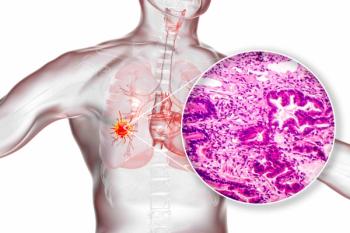
In a preliminary analysis of the phase 2 EVOKE-02 trial, the investigational combination regimen showed an objective response rate of 56% in previously untreated patients with metastatic non–small cell lung cancer (NSCLC).

These findings highlight the potential of dupilumab in improving lung function among children that are shown to have uncontrolled, moderate-to-severe type 2 inflammation asthma.

In their closing thoughts the panelists discuss reimbursement-related considerations surrounding mAbs.

In a real-world study using data from patients diagnosed with multiple myeloma between 2009 and 2021, second primary malignancies adversely impacted survival outcomes in the modern era of therapeutics.

Investigators found a steady reduction of immunoglobulin E (IgE) levels in patients regardless of dupilumab dosing interval.

Clinical and financial considerations surrounding screening and early intervention for CKD are discussed by key opinion leaders.
The screening process for CKD is discussed by Susanne Nicholas, MD, MPH, PhD.

Erin Gillaspie, MD, MPH, FACS, a faculty member of Vanderbilt University Medical Center’s Department of Thoracic Surgery, explained what testing needs to be done to identify the best treatment for patients with lung cancer.

Approximately 70 to 300 million individuals worldwide are living with myasthenia gravis, an antibody-mediated autoimmune disorder that adversely affects neuromuscular junction function.

Decreased coronary flow was associated with severe psoriasis, according to one study.

Adalimumab in conjunction with surgery demonstrated more clinical effectiveness and improved quality of life in patients with hidradenitis suppurativa (HS) compared with outcomes in those treated with adalimumab alone.

The study’s findings provide support for the use of precessation varenicline and nicotine patches in an adaptive treatment regimen where bupropion is provided to treat nonresponders.

When patients with paroxysmal nocturnal hemoglobinuria (PNH) received eculizumab, survival rates increased and thromboembolic events/major adverse vascular events (TE/MAVE) decreased.

Women have a higher likelihood of having hormone receptor (HR+) non-small cell lung cancer (NSCLC) than men, and mutations of EGFR and KRAS were more common in HR+ NSCLC in a recent study.

Posttraumatic stress disorder (PTSD) symptoms and insomnia might be sex specific, and it is important to screen patients diagnosed with chronic insomnia for PTSD symptoms.
Advertisement
Advertisement
Trending on AJMC
1
TrumpRx Launch Brings Savings—and Uncertainty
2
As Cencora Closes With OneOncology, Patton Says Terms Show “Trust”
3
Exploring Identity, Appearance Experiences Among Patients With Alopecia
4
5 Things to Know About the Oral GLP-1 Era
5