

Conference Coverage
Latest Content

Mar 16, 2026 | News
Low Risk of Severe COVID-19 in Vaccinated Patients With MS

FDA Expands Secukinumab Approval to Patients 12 Years and Older With Hidradenitis Suppurativa
Mar 16, 2026

Lebrikizumab Pediatric Data Could Expand AD Treatment Access
Mar 16, 2026

Long-Term Safety of Vutrisiran Confirmed in ATTR Amyloidosis Analysis
Mar 16, 2026

FAQs About New Legislation on PBM Reform, How It Affects Patients
Mar 15, 2026







Advertisement
Shorts

1:50
Rising CRC in Younger Adults Underscores Urgent Need for Earlier Screening: Brooke McCormick
20 minutes ago
by
Brooke McCormick

0:45
Oral vs Injectable GLP-1s: Eric Levin Talks Cost
4 hours ago
by
Giuliana Grossi(+1 more)

0:33
Navigating Employer Coverage for GLP-1 Medications: Eric Levin
3 days ago
by
Giuliana Grossi(+1 more)

1:29
Local Funding Cannot Replace Federal Funding When Addressing HIV: Lindsey Dawson, MA
3 days ago
by
Julia Bonavitacola(+1 more)
0:45
ADAPs Providing HIV Drugs Face Budget Crisis Across the Country: Lindsey Dawson, MA
5 days ago
by
Julia Bonavitacola(+1 more)

1:34
Revised Childhood Vaccine Recommendations Could Affect Herd Immunity: Amy Crawford-Faucher, MD
13 days ago
by
Brooke McCormick(+1 more)

0:33
Building Trust in Clinical Trials for Oncology: Amir Fathi, MD
24 days ago
by
Sabrina McCrear(+1 more)
0:49
Why Clinical Trials Are the Key to Beating Cancer: Amir Fathi, MD
25 days ago
by
Sabrina McCrear(+1 more)

0:30
How Academic Centers Can Support Community Hospitals: Andrew Yee, MD
25 days ago
by
Sabrina McCrear(+1 more)

1:37
Understanding the 3 Pillars of CRC Prevention: Jordan Karlitz, MD
25 days ago
by
Brooke McCormick(+1 more)
Step Into the Future of Cancer Care
Two days of strategy, insights, and innovation in patient-centered oncology care. September 24–25.

Center on Health Equity & Access
Start seeing what truly shapes access and learn how you can redefine the landscape.

Stay Ahead of Clinical and Policy Change
Subscribe for payer-focused insights across priority disease areas.

Podcasts


Center on Health Equity & Access






Continuing Medical Education

























































Advertisement
All News
Advertisement

Dr Wilfong's commentary will appear in the April issue of Evidence-Based Oncology.

Galleri trial data show liquid biopsy multicancer early detection tests may cut stage IV diagnoses, despite the missed primary end point.

Reproductive health conditions raise child desire but lower pregnancy intentions, spotlighting infertility gaps in women’s health and urging proactive counseling and coverage reform.

The website officially launched on February 5, introducing a key part of the Trump administration’s health care plan.
New studies link abortion bans to higher births and WIC demand and spotlight care-access gaps, cancer disparities, and value-based reforms shaping 2026.

The mental health burden of vitiligo closely resembles atopic dermatitis but differs significantly from psoriasis, a study suggests.

GPT-4o reliably scored alopecia areata severity from scalp images, showing strong concordance with experienced dermatology providers without prior AI training.

Deupirfenidone received orphan drug designation from the FDA and European Commission for idiopathic pulmonary fibrosis treatment.
Integrating behavioral health into primary care is cost-effective from the US health system perspective, with reduced prescription drug expenses being a key driver of these savings.
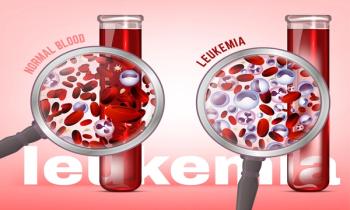
The findings bolster the case for using Bruton tyrosine kinase inhibitors in the treatment of Richter syndrome.
Advertisement
Advertisement
Trending on AJMC
1
FAQs About New Legislation on PBM Reform, How It Affects Patients
2
Why Thyme Care Succeeds Where Value-Based Care Has Fallen Short
3
5 Things to Know About Multicancer Blood Tests
4
Unprecedented Efficacy in the MajesTEC-3 Trial in Multiple Myeloma: Ajay K. Nooka, MD, MPH
5