Conference Coverage
Latest Content

Feb 06, 2026 | News
Exploring Identity, Appearance Experiences Among Patients With Alopecia

5 Things to Know About the Oral GLP-1 Era
Feb 06, 2026
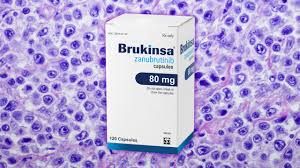
Even After 6 Years, Disease Progression Impacts Survival in Mantle Cell Lymphoma
Feb 06, 2026

Potential Predictor of Treatment Response in Chronic Spontaneous Urticaria Identified
Feb 06, 2026
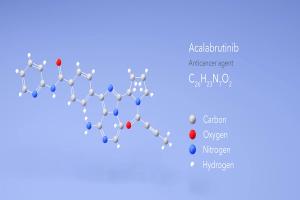
Real-World Evidence Backs Acalabrutinib in CLL Care
Feb 06, 2026





Advertisement
Shorts

0:45
How Breast Cancer Cells "Hide" From Treatment: Ateequllah Hayat, PhD
2 days ago
by
Sabrina McCrear(+1 more)
0:33
Why 100% Skin Clearance Is Not Always Enough: James Song, MD
2 days ago
by
Pearl Steinzor(+1 more)
1:22
PBM Reform Hinges on Making Prices Transparent for All: Miriam Paramore
3 days ago
by
Julia Bonavitacola(+1 more)
1:09
Advanced Multiple Myeloma Therapies Require Dedicated Teams, 24/7 Support for Safe Patient Care: Ameet Patel, MD
3 days ago
by
Brooke McCormick(+1 more)
0:35
Access, Geography, and Cost Limit Patient Participation in Clinical Trials: Susan Vadaparampil, PhD, MPH
5 days ago
by
Brooke McCormick(+1 more)
1:00
How Successful Medically Integrated Dispensing Works in Practice: Kenneth Komorny, PharmD, BCPS
5 days ago
by
Brooke McCormick(+1 more)

1:03
Weighing the Pros, Cons of Medically Integrated Dispensing: Katherine Tobon, PharmD, BCOP
6 days ago
by
Brooke McCormick(+1 more)
1:15
Strengthening Trial Infrastructure to Broaden Patient Access: Tina Bhatnagar, DO
8 days ago
by
Maggie L. Shaw(+1 more)

1:03
Restoring the Optic Nerve a Primary Goal in the Future of Glaucoma Treatment: Ariana Levin, MD
10 days ago
by
Julia Bonavitacola(+1 more)

1:40
Glaucoma Seeing Emerging Therapies in Eye Drops, Surgery Modalities: Jullia Rosdahl, MD, PhD
11 days ago
by
Julia Bonavitacola(+1 more)
Center on Health Equity & Access
Start seeing what truly shapes access and learn how you can redefine the landscape.

What’s really ahead for healthcare in ’26?
Stay ahead of what’s next in healthcare. Join industry experts for a focused discussion on policy and politics in ’26.

Podcasts
Center on Health Equity & Access








Advertisement
All News
Advertisement

In a pair of lively debates at the International Stroke Conference 2026, experts from around the world discussed controversies in stroke care.

OCEANIC-STROKE shows asundexian cuts recurrent ischemic stroke risk across noncardioembolic subtypes without increasing major bleeding risk.

Because evidence gaps in idiopathic pulmonary fibrosis research hinder demonstration of antifibrotic therapies’ impact on patient quality of life (QOL), integrating validated health-related QOL measures into trials is urgently needed.

Coverage of our peer-reviewed research and news reporting in the health care and mainstream press.

Experts at ISC 2026 highlighted growing evidence that GLP-1 receptor agonists may reduce stroke risk and support brain health through anti-inflammatory, vascular, and neuroprotective mechanisms.

First announced in September 2025, the online platform is set to offer access to prescription medications at steep discounts, with potential savings in the millions.

Across 39 patients in 2 cohorts, rapid microbe reduction, high wound closure, restored warmth and sensation, and avoided amputations were observed.

OCEANIC-STROKE shows asundexian cuts ischemic stroke recurrence by 26% in patients taking standard antiplatelet therapy, with no major bleeding increase.

Cencora’s fast-tracked acquisition of OneOncology could boost community cancer care access and bring advanced therapies closer to patients.

A deep-learning serial CT response score outperformed conventional imaging measures in predicting OS for patients with advanced NSCLC treated with ICIs.
Advertisement
Advertisement
Trending on AJMC
1
TrumpRx Launch Brings Savings—and Uncertainty
2
As Cencora Closes With OneOncology, Patton Says Terms Show “Trust”
3
Benefits, Tradeoffs of Medically Integrated Dispensing in Oncology Care: Katherine Tobon, PharmD, BCOP
4
Asundexian Reduces Risk of Stroke Recurrence in Phase 3 OCEANIC-STROKE Trial
5