With all the regulatory changes that CMS and HHS are rolling out, community oncology practices are facing significant changes in how they take care of patients, said Barry Russo, chief executive officer of The Center for Cancer and Blood Disorders.
With all the regulatory changes that CMS and HHS are rolling out, community oncology practices are facing significant changes in how they take care of patients, said Barry Russo, chief executive officer of The Center for Cancer and Blood Disorders.
Sex differences in multiple sclerosis (MS) has been known for some time, and studying these differences benefit both sexes, explained Rhonda Voskuhl, MD, Jack H. Skirball chair of MS research, director of the MS program, and professor of neurology at the University of California, Los Angeles.
The core of the work that care coordinators do is done behind the scenes so that all of the core information is in the chart when the doctor is meeting with the patient, said Jessa Dunivan, patient services manager, Northwest Medical Specialties.
Using oncology care pathways and treatment pathways has helped practices use evidence-based data to facilitate them to be sure they are using the right drug for the right patient at the right time, said Ray Page, DO, PhD, president and director of research at The Center for Cancer and Blood Disorders.
There are disparities in access to innovative therapies and entries into clinical trials, but FDA's recent proposed guidance could help close gaps, said John W. Sweetenham, MD, senior director of clinical affairs and executive medical director, Huntsman Cancer Institute at the University of Utah.

Most academic journals are researchers talking to researchers, butThe American Journal of Managed Care® (AJMC®) is typically researchers talking to the community, says Michael E. Chernew, PhD, the Leonard D. Schaeffer Professor of Health Care Policy; director of the Healthcare Markets and Regulation Lab in the Department of Health Care Policy at Harvard Medical School; and co-editor-in-chief of AJMC®.
Utilizing community resources is an important way to help patients who have poor social support systems get the care they need, said Abra Kelson, MSW, LSWA-IC, medical social work supervisor, Northwest Medical Specialties.
Through partnerships, CancerIQ tries to reduce barriers for patients to use genetic services to detect cancer early, said Feyi Olopade Ayodele, MBA, chief executive officer at CancerIQ.
Community oncology practices need to come together as much as possible in order to respond to changes in the market, have a common voice, and to share best practices and learn from each other, said Barry Russo, chief executive officer of The Center for Cancer and Blood Disorders.
The care team is made up of a number of members, who work together to uncover and then address any barriers that patients have, said Jessa Dunivan, patient services manager, Northwest Medical Specialties.
As clinicians learn how to manage patients most efficiently under a value-based care of delivery, they need to identify patients and risk-stratify those patients, said Ray Page, DO, PhD, president and director of research at The Center for Cancer and Blood Disorders.
There are 2 approaches for treating multiple sclerosis (MS) and the DELIVER-MS study is the first to see which approach works better, said Daniel Ontaneda, MD, a neurologist at the Cleveland Clinic.
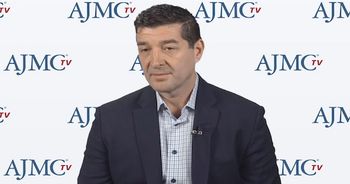
Employees have seen their healthcare costs rise about as much as they can, and the employers have also taken on about as much burden as they can, so now they’re looking at things that they can do and strategies that they can take to make sure that they’re providing the right benefits to the right people, says Dave Fried, chief executive officer of Tricore Human Capital Management.

Wayne Burton, MD, former global corporate medical director for American Express discusses the impact that workers with migraine have on employers.
Early intervention to identify social needs means issues get caught sooner and patients can avoid or minimize financial toxicity, said Abra Kelson, MSW, LSWA-IC, medical social work supervisor, Northwest Medical Specialties.
The challenge with translating good science into treatments for patients with multiple sclerosis (MS) is getting the funding to get the trials done, said Rhonda Voskuhl, MD, Jack H. Skirball chair of multiple sclerosis (MS) research, director of the MS program, and professor of neurology at the University of California, Los Angeles (UCLA).
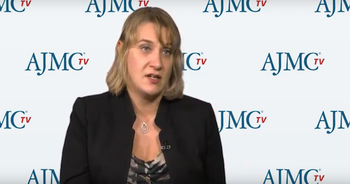
For a patient newly diagnosed with cancer, it's important that they make sure they educate themselves on their disease and all of their options, explained Janice Mehnert, MD, Head of the Phase I Developmental Therapeutics Program at Rutgers Cancer Institute of New Jersey.
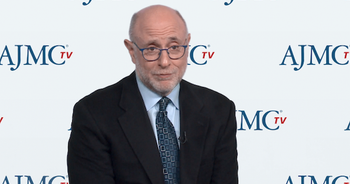
People living with HIV who are taking single-tablet regimens have better medication adherence and lower hospitalizations than those taking multi-tablet regimens, explained Ian Frank, MD, professor of medicine, Perelman School of Medicine, University of Pennsylvania,
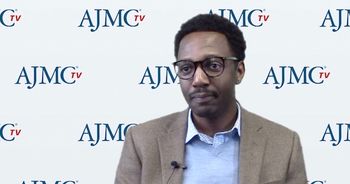
Traditional healthcare systems have not been in a position to effectively treat people with complex needs, said Victor Murray, director for care management initiatives at the Camden Coalition of Healthcare Providers.
Everyone at the practice is vital to the success of value-based care, which is really patient-centered care, said Jessa Dunivan, patient services manager, Northwest Medical Specialties.
There are a lot of different ways for identifying patients that might have barriers to care or might be considered as high-risk, says Abra Kelson, MSW, LSWA-IC, medical social work supervisor, Northwest Medical Specialties.
Because brentuximab vedotin is so effective in the relapsed and refractory setting, there has been a lot of excitement around assessing the treatment earlier in Hodgkin lymphoma, explained Alison J. Moskowitz, MD, medical oncologist, clinical director, lymphoma inpatient unit, Memorial Sloan Kettering Cancer Center.
Fear and denial can contribute to a patient’s hesitancy to seek prompt treatment, says Beth Wittmer, RN, OCN, manager of care management at Florida Cancer Specialists and Research Institute.
While the community has seen the first clinical trials and first FDA-approved therapy for pediatric multiple sclerosis, it remains challenging to treat, said Tanuja Chitnis, MD, associate neurologist at Brigham and Women’s Hospital and professor of neurology at Harvard Medical School.

Janice Mehnert, MD, Head of the Phase I Developmental Therapeutics Program at Rutgers Cancer Institute of New Jersey, and the Head of the Melanoma Research Team, explains the importance of including patients with comorbidities in clinical trials and what could be done to promote it.
Care coordinators are a support system for the clinical and the clerical teams to make sure that nothing falls through the cracks, explained Jessa Dunivan, patient services manager, Northwest Medical Specialties.
Sometimes, patients may misunderstand the role of the social worker as part of the care team, but ultimately, they end up really being appreciative of the services, said Abra Kelson, MSW, LSWA-IC, medical social work supervisor, Northwest Medical Specialties.
Communication starts with understanding, interacting with, and engaging people before sensitive issues can be discussed, explained Victor Murray, director for care management initiatives at the Camden Coalition of Healthcare Providers.
I think we’re in a bit of a lull for exciting new therapy developments, likely because the development of the checkpoint inhibitors has just been so extraordinary revolutionary, explained Janice Mehnert, MD, Head of the Phase I Developmental Therapeutics Program at Rutgers Cancer Institute of New Jersey, and the Head of the Melanoma Research Team.
Most patients with multidrug-resistant HIV can still be treated with existing therapies, explained Paul Sax, MD, clinical director of the Division of Infectious Diseases at Brigham and Women's Hospital and professor of medicine at Harvard University.

259 Prospect Plains Rd, Bldg H
Cranbury, NJ 08512
© 2025 MJH Life Sciences®
All rights reserved.