



Contrary to research done on adults, a recent study found that children may be highly sensitive to light exposure of any intensity before bedtime.

Study Provides Insights Into Narcolepsy Treatment and Health Care Utilization Impact in Sweden
Contrary to research done on adults, a recent study found that children may be highly sensitive to light exposure of any intensity before bedtime.
Nasal surgical intervention led patients with obstructive sleep apnea (OSA) who historically were nonadherent to continuous positive airway pressure (CPAP) treatment to become adherent and experience improvements in objective and subjective severity measures.
Nocturnal road traffic noise was strongly linked to a range of insomnia symptoms, highlighting the potential impact of noise pollution on public health in large populations.

Patients in upper quartiles of the sleep breathing impairment index, a novel gauge of obstructive sleep apnea (OSA) severity, had higher 10-year Framingham cardiovascular risk than patients whose symptoms were classified as less severe.
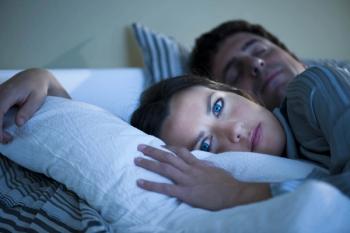
A recent study found an association between biological rhythms affecting sleep late in pregnancy and postpartum and depressive or anxiety symptoms.
The severity of excessive daytime sleepiness correlated with the prevalence of Parkinsonian-like symptoms in adults aged 50 to 64, but further research is needed to determine the mechanisms behind the findings.
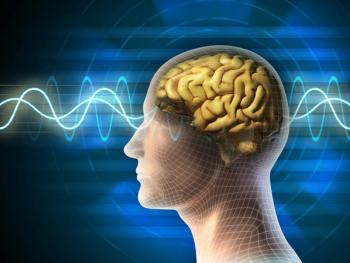
Recent research suggests targeted memory reactivation might help with facial recognition and name recall, but quality and quantity of sleep may be important factors in effectiveness.

A survey of health care workers in New York City during the COVID-19 pandemic’s peak identified associations between poor sleep and anxiety, acute stress, and depressive symptoms.

Daridorexant belongs to a class of drugs known as a dual orexin receptor antagonists.
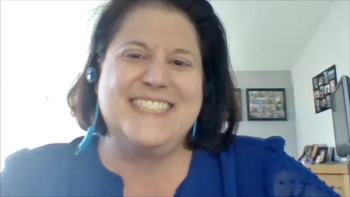
Theresa Juday, RPh, director, Specialty Product Development, CVS Health, discusses the potential of cognitive behavioral therapy to address health disparities in underserved communities.

School closures during the first wave of the COVID-19 pandemic in Switzerland were linked with longer sleep duration and improved health-related quality of life in high school students.
The top 5 most-read sleep articles of 2021 on AJMC.com covered emerging therapies in the treatment of obstructive sleep apnea and idiopathic hypersomnia, the effects of antidepressant use on rapid-eye movement sleep, and the sleep-related effects of COVID-19.

Michael Thorpy, MD, director, Sleep-Wake Disorders Center, Montefiore, and professor of neurology, Albert Einstein College of Medicine, discusses treatment implications for clinicians managing chronic insomnia and potential comorbid conditions.

People experiencing teeth grinding or clenching during sleep, called sleep bruxism, were found to be more likely than the general population to report incidence of other sleep disorders, such as obstructive sleep apnea and restless leg syndrome.

Daniel Greer, PharmD, BCPP, clinical assistant professor, Rutgers Ernest Mario School of Pharmacy, speaks on how capabilities of cognitive behavioral therapy have evolved to a more user-friendly approach in the management of chronic insomnia.
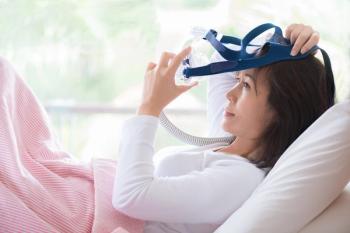
Patients with obstructive sleep apnea (OSA) exhibited similarly improved insomnia and quality-of-life outcomes when administered hypoglossal nerve stimulation (HNS) vs standard-of-care positive airway pressure (PAP) therapy.
Theresa Juday, RPh, director, Specialty Product Development, CVS Health, discusses the indirect and direct cost burden associated with chronic insomnia.

Financial hardship was found to be a significant risk factor for worse sleep quality in patients with concomitant obstructive sleep apnea (OSA) and type 2 diabetes (T2D)
Michael Thorpy, MD, director, Sleep-Wake Disorders Center, Montefiore Medical Center, and professor of neurology, Albert Einstein College of Medicine, speaks on the common occurrence of other comorbidities in patients with chronic insomnia.

A mobile app was shown to be feasible in identifying risk of obstructive sleep apnea and associated symptoms, as well as promoting management recommendations among an outpatient cohort.

Ian J. Neeland, MD, FACC, FAHA, is co-director of the Center for Integrated and Novel Approaches in Vascular-Metabolic Disease for University Hospitals Harrington Heart & Vascular Institute and director of the UH Center for Cardiovascular Prevention, in the Cleveland, Ohio, area. Here, he explains how sodium-glucose co-transporter 2 (SGLT2) inhibitors can treat metabolic physiologic effects of sleep apnea.
In Icelandic patients, obstructive sleep apnea were associated with a 2-fold increased risk of severe COVID-19 that required hospitalization or led to death after accounting for obesity and other comorbidities.
Daniel Greer, PharmD, BCPP, clinical assistant professor, Rutgers Ernest Mario School of Pharmacy, discusses the use of cognitive behavioral therapy (CBT) as a first-line treatment for chronic insomnia and barriers limiting its use.

Patients with asthma were found to have a more than 3-fold greater risk of developing narcolepsy than those without asthma, with use of inhaled corticosteroids indicated to decrease risk.
Theresa Juday, RPh, director, Specialty Product Development, CVS Health, speaks about the barriers affecting uptake of cognitive behavioral therapy (CBT) as a first-line treatment for insomnia.

259 Prospect Plains Rd, Bldg H
Cranbury, NJ 08512
© 2025 MJH Life Sciences®
All rights reserved.