




Ophthalmology
Latest News
Advertisement
Latest Videos




CME Content


Advertisement
More News
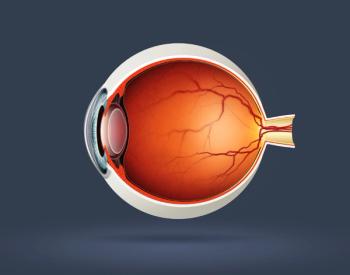
A multitrait model of corneal parameters was effective in identifying new keratoconus risk loci, resulting in enhanced polygenic risk score models.

An observational, cross-sectional study found longer face mask wearing and nonstandard wearing of face masks were associated with dry eye in adults older than 20 years.

Patients may have unrealistic expectations of how a new treatment or procedure may help them, and the conversation between the patient and physician is crucial for setting expectations, explained Robert G. Fante, MD, FACS, president of the American Society of Ophthalmic Plastic & Reconstructive Surgery and facial plastic surgeon and cosmetic surgeon, Fante Eye & Face Centre in Denver, Colorado.

A study conducted in Saudi Arabia found that the severity of dry eye disease (DED) was associated with the amount of quality sleep participants received.

While teprotumumab, a new FDA-approved therapy for thyroid eye disease (TED), has its adverse events, the other options to treat TED can have severe consequences, said Shoaib Ugradar, MD, UCLA Stein Eye Center Santa Monica.
A recent study found that retinal age gap, defined as chronological age subtracted from retinal age, is a potential indicator of Parkinson disease development.

Certain types of ophthalmic care were more successful with video visits based on what was required to treat patients, said Darren Chen, MD student at Weill Cornell Graduate School of Medical Sciences.

A recent study found that men and patients with disciform scars on their eyes have a greater risk of developing submacular hemorrhage (SMH), a rare complication in the eyes.
It’s important that patients understand the likely outcomes, problems that can occur along the way, and the risks of a treatment or procedure, explained Robert G. Fante, MD, FACS, president of the American Society of Ophthalmic Plastic & Reconstructive Surgery and facial plastic surgeon and cosmetic surgeon, Fante Eye & Face Centre in Denver, Colorado.

Closing out their discussion on glaucoma management, experts share practical advice for care providers and payers alike.
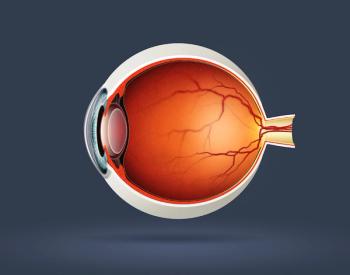
Psychological distress has been shown to impact physical health, and proactive treatment of impaired vision might be one way to mitigate the risk of distress in older populations.

Antiplatelet/anticoagulant (APAC) therapy can protect patients from developing nonproliferative diabetic retinopathy, according to a recent study.
Shared insight on how the use and sequencing of therapies for glaucoma will evolve in coming years.
Teprotumumab has shown great efficacy in treating thyroid eye disease in both clinical trials and real-world settings, but more data are needed on adverse events, said Shoaib Ugradar, MD, UCLA Stein Eye Center Santa Monica.
Expert panelists review the use of MIGS and other channel procedures in patients with glaucoma.

Assessing the presence of vascular endothelial growth factor (VEGF) in tears could be a noninvasive way to determine the severity and progression of age-related macular degeneration.
A review of selective laser trabeculoplasty in glaucoma management, and when it is appropriate to consider as a treatment option.
A majority of patients with ophthalmic video visits were satisfied, but there were some predictors that contributed to which patients were more satisfied, explained Darren Chen, MD student at Weill Cornell Graduate School of Medical Sciences.

The meta-analysis found insufficient evidence to assess the validity of the screening in diagnosing age-related macular degeneration.

A small study found that decreased retinal vascular density identified by optical coherence tomography angiography may be linked to faster visual field loss at extended follow-up.

SARS-CoV-2 might target lacrimal glands, causing eyelid swelling due to chronic dacryoadenitis after COVID-19 infection.
Following a brief discussion on utilization management, experts discuss the current paradigm of patient access to therapy.

James Auran, MD, a professor of ophthalmology at Columbia University Irving Medical Center and president of the American Society of Ophthalmic Trauma, lists potential solutions to bolster ophthalmic trauma care in the United States.

The treatment was approved in October 2021 and is the first FDA-approved therapy to treat macular edema associated with uveitis via injection to the suprachoroidal space, which provides a more targeted delivery mechanism.
Experts highlight early detection and the goals of therapy when managing patients with glaucoma.
Advertisement
Advertisement
Trending on AJMC
1
TrumpRx Launch Brings Savings—and Uncertainty
2
5 Things to Know About the Oral GLP-1 Era
3
Exploring Identity, Appearance Experiences Among Patients With Alopecia
4
Stroke Subtype Does Not Affect Efficacy of Asundexian for Second Stroke Prevention
5