



Cardiovascular
Latest News
Advertisement
Latest Videos








Advertisement
More News

The authors say while guidelines look at the benefits of statins to prevent cardiovascular disease (CVD), they do not adequately assess the harms. The new model takes this into account.

Researchers described the study as one of the first to examine how strength training can reduce the risk of cardiovascular disease, separate from the effects of aerobic activity like running or long walks

Every week, The American Journal of Managed Care® recaps the top managed care news of the week, and you can now listen to it on our podcast, Managed Care Cast.

New reports from the CDC have highlighted troubling increasing trends in suicides and drug overdose rates as life expectancy in the United States declined.
Atherosclerosis and peripheral artery disease are significant long-term complications of diabetes that demand more education and quality care to prevent limb loss. The conclusion of National Diabetes Month offers an opportunity to draw attention to ways to prevent these outcomes and screen for them early.

Novo Nordisk plans to seek FDA approval for the GLP-1 receptor agonist in the first half of 2019.
A 2015 study sponsored by the National Institutes of Health made a change in blood pressure guidelines seem inevitable. But there is disagreement between the standards promoted by societies for family physicians and those for cardiologists, leading to confusion for those in daily practice.
Every week, The American Journal of Managed Care® recaps the top managed care news of the week, and you can now listen to it on our podcast, Managed Care Cast.

This week, the top managed care news included research that showed c​​​​ancer surpassed cardiovascular disease to be the leading cause of death in high-income counties; HHS Secretary Alex Azar announced a new mandatory payment model is coming to oncology; a policy change could make mental health treatment more available.
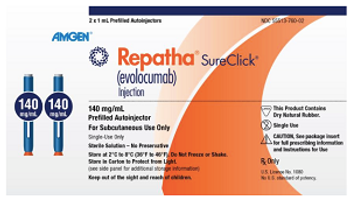
The guidelines unveiled at the American Heart Association annual meeting discuss when patients at the highest risk could be treated with a PCSK9 inhibitor.

As a result of increased prevention and improved medical treatment of cardiovascular disease (CVD), and despite increasing rates of obesity and diabetes, cancer has gradually surpassed CVD as the leading cause of death in high-income counties. However, CVD is more likely to be the leading cause of death in low-income counties.
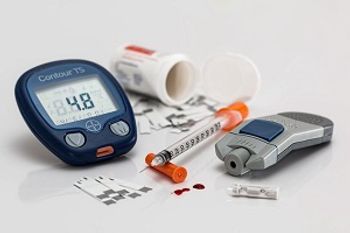
The report finds that another 1.7 million Americans have diabetes than would have been the case if rates had not increased.
Every week, The American Journal of Managed Care® recaps the top managed care news of the week, and you can now listen to it on our podcast, Managed Care Cast.

This week, the top managed care stories included Medicaid expansion wins at the ballot box; new melanoma guidelines that promote recommended treatments and discuss genetic testing; research found high blood pressure in young adults predicts future cardiovascular events.
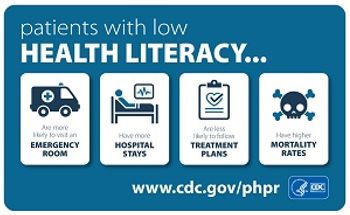
The study examined several social factors that can affect health outcomes when patients are hospitalized for cardiovascular events.

Elevated blood pressure and stage 1 and 2 hypertension before age 40 puts young adults at higher risk for cardiovascular disease (CVD) events later in life compared to those with normal blood pressure, according to a new study published in JAMA.

The label change includes data from the LEADER trial, which showed that the same active ingredient, liraglutide, reduced major cardiovascular events when given at a lower dose.
Cardiovascular outcomes trials have changed type 2 diabetes drug development and added to the knowledge base, but some think these giant studies make therapies too costly and discourage innovation.

Amgen has announced that the price of its proprotein convertase subtilisin/kexin type 9 (PCSK9) inhibitor, evolocumab (Repatha), will be reduced by 60%, from an annual price of $14,100 down to $5850.
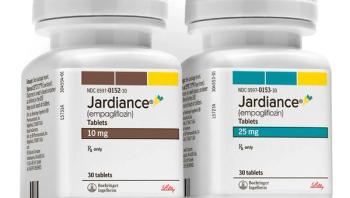
The analysis of data from EMPA-REG OUTCOME arrives as the FDA weighs the future of these large trials.
Patient preference should be considered because medications don't work if adherence is poor, the experts noted.

For 2017, New Jersey's largest insurer made particularly good progress in certain diabetes measures and in cancer screenings.

Black and Latino individuals are less likely than their white peers to develop early-onset atrial fibrillation (EOAF), yet these individuals experience higher rates of stroke, heart failure, and mortality from AF than do white patients. To date, little has been known about this paradox, as most research into EOAF focuses on white patients.
Heart failure hospitalization has been a target for accountable care organizations seeking to find ways to cut costs from the healthcare system. But it remains to be seen how many of the estimated 2 million patients would gain access to the device if it received an expanded indication and payer coverage.
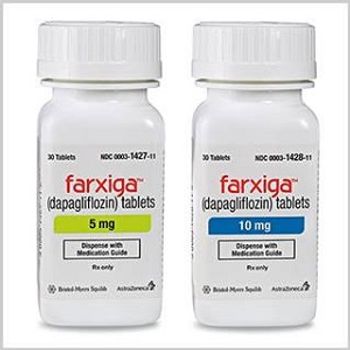
Full results from the cardiovascular outcomes trial for dapagliflozin (Farxiga) will be presented at the American Heart Association annual meeting in November.
Advertisement
Advertisement
Trending on AJMC
1
Multiagonists Outpace Older GLP-1 Drugs for Weight Loss
2
Evolocumab Cuts Death Risk for a First Heart Attack or Stroke
3
Cardiac Risks of COVID-19 Vaccine vs Infection: Eman Toraih, MD, PhD
4
FDA Approves Ropeginterferon Alfa-2b in Essential Thrombocythemia
5