




Acute Lymphoblastic Leukemia/Acute Myeloid Leukemia
Latest News
Advertisement
Latest Videos


Advertisement
More News

The combination regimen is so effective because DAC has several mechanisms through which it exerts antileukemic effects.

A Quebec cohort study links gas station proximity to higher VOC exposure and elevated childhood cancer risk, especially acute lymphoblastic leukemia.

Real-world inotuzumab ozogamicin boosts remission in relapsed/refractory B-cell ALL, supports transplant, and flags sinusoidal obstruction syndrome risk.

Disparities in access to allo-HCT for AML persist, highlighting the need for targeted interventions to ensure equitable treatment for all patients.

Ongoing phase 3 trials target improved therapies for hematologic malignancies, focusing on CLL, multiple myeloma, and pediatric leukemia outcomes.

Reduced doses and shorter durations of venetoclax can enhance treatment outcomes and reduce adverse events in acute myeloid leukemia (AML).
ASH 2025 highlighted innovative cancer treatments, including in vivo CAR T therapy and options that enhance quality of life while reducing burdens.

Top articles in 2025 covered advancements in acute myeloid leukemia treatments, including allogeneic CAR T-cell therapy.

Blinatumomab enhances survival in pediatric B-cell ALL, yet homecare challenges hinder its outpatient delivery.

Financial and social barriers hinder access to specialized care and impact treatment outcomes for adolescents and young adults with leukemia.

Olutasidenib shows promising long-term efficacy and safety in treating relapsed or refractory mutant IDH1 acute myeloid leukemia.
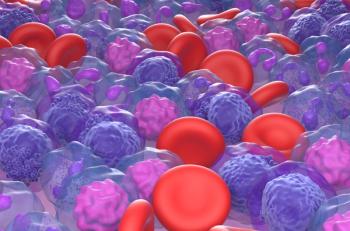
Pretransplant NPM1 MRD testing significantly predicts relapse risk in acute myeloid leukemia.

Patients achieve a high 2-year survival and deep MRD-negative remissions with CAR T-cell therapy followed by stem cell transplant in B-cell ALL.
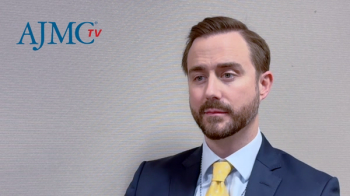
Clark Alsfeld, MD, discusses how telemedicine, pharmacists, and evolving policies help overcome financial and geographic barriers in oncology care.
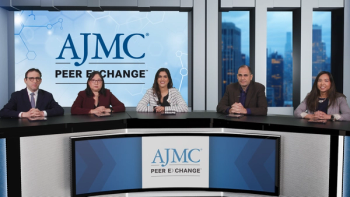
Panelists discuss how managing oral therapy toxicities requires preemptive planning, multidisciplinary team involvement, patient and family education, and close monitoring for drug interactions and adherence issues, emphasizing the need for experienced centers with proper support infrastructure.
Panelists discuss how implementing oral regimens faces significant operational barriers including formulary restrictions, prior authorization requirements, insurance coverage differences between inpatient and outpatient settings, and the need for careful monitoring protocols, especially during initial treatment cycles.

Research challenges age cut-offs in AML treatment, advocating for flexible, individualized approaches based on continuous age assessment.
The FDA approved ziftomenib for relapsed acute myeloid leukemia with NPM1 mutations, offering hope for high-risk patients.
Panelists discuss how oral azacitidine plus venetoclax represents a transformative advance toward completely oral regimens that could dramatically improve quality of life and accessibility, though challenges remain regarding cost, insurance coverage, and the complexity of managing multiple oral agents.
Panelists discuss how emerging therapies like menin inhibitors show promise based on strong preclinical data and clinical responses, while CD47 inhibitors have faced setbacks in phase 3 trials, with the greatest potential for novel agents likely in frontline combination settings.
Panelists discuss how venetoclax management requires standardized approaches to duration, bone marrow biopsy timing, growth factor use, and azole antifungal selection, with practices varying significantly between centers and the need for consistent protocols to optimize patient outcomes.
Panelists discuss how IDH inhibitors, particularly ivosidenib combined with azacitidine, represent potentially the greatest advance in AML treatment due to significant overall survival improvements, though adoption challenges include waiting for mutation results and limited patient applicability.

Guideline adherence in treating acute lymphoblastic leukemia (ALL) enhances health care resource utilization, especially for adolescent and young adult patients.
Panelists discuss how the treatment landscape has evolved from limited options to include hypomethylating agents and venetoclax combinations, with emerging oral formulations promising greater accessibility while requiring careful consideration of patient selection and toxicity management.
Panelists discuss how combination trials like VIALE-A and VIALE-C have demonstrated venetoclax’s survival benefits when added to hypomethylating agents, opening doors for numerous combination studies while emphasizing the need for randomized trials to prove clinical benefit in different disease contexts.
Advertisement
Advertisement
Trending on AJMC
1
Tozorakimab Curbs Multiple COPD Inflammatory Pathways, ERS Data Show
2
Fragmented Care, Financial Strain, Gender Gaps Define Life With COPD
3
FDA Approves Camizestrant for ER+, HER2– mBC With ESR1 Mutations
4
Primary Care Capacity Gaps Threaten Respiratory Prevention
5