
One of the long-term effects of COVID-19 may be small fiber neuropathy in the ocular surface causing similar symptoms to dry eye disease and diabetic neuropathy, a recent study found.

Rose is an editorial director at The American Journal of Managed Care® (AJMC®).
She has a BA in journalism & media studies and Spanish from Rutgers University. You can connect with Rose on LinkedIn.
One of the long-term effects of COVID-19 may be small fiber neuropathy in the ocular surface causing similar symptoms to dry eye disease and diabetic neuropathy, a recent study found.

The severity of excessive daytime sleepiness correlated with the prevalence of Parkinsonian-like symptoms in adults aged 50 to 64, but further research is needed to determine the mechanisms behind the findings.

Recent research suggests targeted memory reactivation might help with facial recognition and name recall, but quality and quantity of sleep may be important factors in effectiveness.
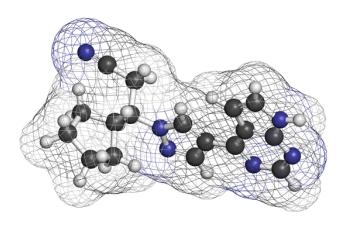
An abstract presented at the 63rd American Society of Hematology (ASH) Annual Meeting and Exposition assessed real-world data on patients with multiple myeloma to provide insight into longitudinal testing patterns and rates of sustained minimal residual disease (MRD) negativity.

Recent findings suggest that with more research, anomaly detection may be an option for general retinal disease screening and identification of novel presentations of common retinal diseases.
An abstract presented at the 63rd American Society of Hematology Meeting & Exposition found that the regimen was effective and that MRD could potentially be used as a biomarker to inform treatment duration.
Chronic cough can have a significant impact on patient quality of life, and recognizing it as an individual condition may help optimize its treatment.

A survey of health care workers in New York City during the COVID-19 pandemic’s peak identified associations between poor sleep and anxiety, acute stress, and depressive symptoms.

A large real-world analysis assessed age-related changes in commonly used visual field reliability indices and the potential mechanisms behind the trends.

A Danish study observed emergency department (ED) health care providers and identified 5 factors that could play into patient involvement in medication discussions, particularly in older patients with polypharmacy.

One-year outcomes varied among patients with differing neovascular glaucoma etiologies, but many achieved meaningful vision after surgical treatment that included glaucoma drainage devices.
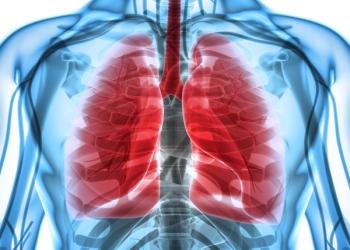
The respiratory complications of spinal muscular atrophy are well-researched, but a new study provides insight into nonrespiratory complications that may be just as crucial.

Researchers found 18 novel and 21 known variants of SMPD1 with disease-causing potential, providing data that may be helpful in prenatal diagnosis of acid sphingomyelinase deficiency in India.
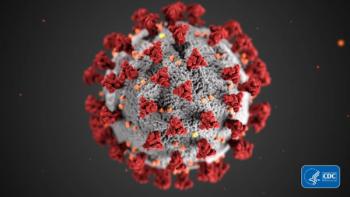
Recent studies show that glucagon-like peptide-1 receptor agonists have anti-inflammatory effects in human and rodent pathological models, making them a potential therapeutic strategy for treating pulmonary arterial hypertension after COVID-19 infection.

Patients with spinal muscular atrophy often present with severe scoliosis but face an elevated risk of complications from corrective surgery.
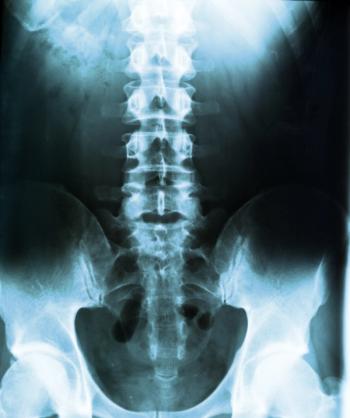
A case series of corrective surgeries in children with severe scoliosis due to spinal muscular atrophy (SMA) type 1 showed a positive success rate, but with significant postoperative complications.

Findings from the single-arm, open-label ASCEND-Peds trial suggest olipudase alfa is well-tolerated and may lead to clinically meaningful improvements in patients with acid sphingomyelinase deficiency (ASMD) who do not have neurovisceral manifestations.

Testing for spinal muscular atrophy in an Australian newborn screening program identified patients across socioeconomic and cultural demographics, mitigating inequity and providing patients with access to multidisciplinary treatment.
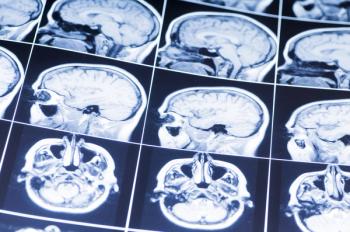
A small study found a correlation between age and small vessel disease risk that suggest the importance of regular brain MRI monitoring in patients with Fabry.

A recent review outlined advances and challenges in utilizing liquid biopsy to detect measures such as circulating tumor DNA in patients with solid tumors.

Sensory nerve action potential amplitudes decreased as patients aged in a cohort of spinal muscular atrophy (SMA) type 1 patients compared with a healthy, age-matched control group.
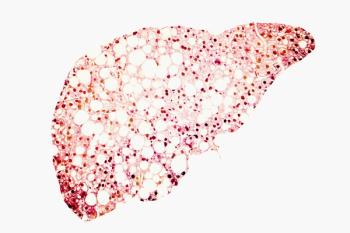
A recent study aims to improve evaluation of fatty liver in ultrasound scans to increase hepatology referrals and predict significant liver fibrosis.

A small cohort of patients with acid sphingomyelinase deficiency (ASMD) showed higher rates of cancer compared with the general population, according to recent findings.
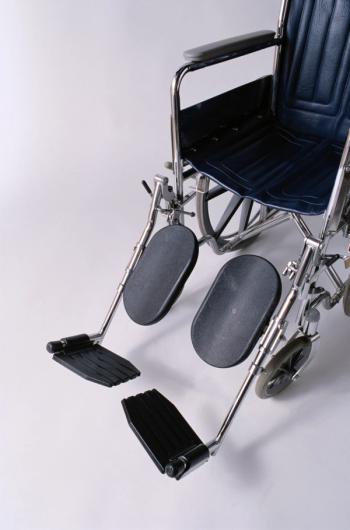
A recent review provides insight into the clinical progression of treatment-naive patients with spinal muscular atrophy type 3 who have lost ambulation.

This new analysis shows early diagnosis of some lysosomal storage disorders can help avoid irreversible damage across the board.

A retrospective observational cohort study of patients ranging in age from infants to adults provides real-world evidence that nusinersen is safe and effective for those with SMA1.

Uveitic macular edema is common in patients with noninfectious uveitis, and its significant burden on patients and payers warrants more specific treatment guidelines to minimize quality-of-life and economic effects.

Data on nusinersen’s safety profile in adult patients are more limited than in infant and adolescent patients, but a recent study showed positive results based on cerebrospinal fluid and blood sample parameters.
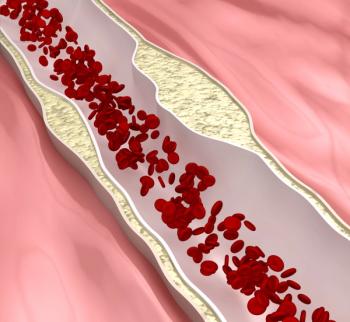
A recent review highlighted the importance of managing cardiovascular risk factors in patients with Fabry disease versus the general population.

A recent review examined the significant physical, social, emotional, and financial impacts of acid sphingomyelinase deficiency (ASMD) on patients and caregivers from an overall lifestyle standpoint

259 Prospect Plains Rd, Bldg H
Cranbury, NJ 08512
© 2025 MJH Life Sciences®
All rights reserved.