The findings suggest patient-reported outcomes—namely fatigue—may be helpful in identifying patients at a higher risk of death and other adverse outcomes but warrant further research.

Rose is an editorial director at The American Journal of Managed Care® (AJMC®).
She has a BA in journalism & media studies and Spanish from Rutgers University. You can connect with Rose on LinkedIn.
The findings suggest patient-reported outcomes—namely fatigue—may be helpful in identifying patients at a higher risk of death and other adverse outcomes but warrant further research.
Melinda Aldrich, PhD, MHE, associate professor in the Vanderbilt University School of Medicine in the division of genetic medicine, discussed her ongoing research aiming to identify the drivers of disparities in lung cancer outcomes in the US.

A recent study found that use of optimal guideline-directed medical therapies after heart failure with reduced ejection fraction (HFrEF) diagnosis is low overall, but especially among female patients compared with male patients.

A predictive model utilizing serum metabolic profiles was able to distinguish ovarian cancer from control samples with 93% accuracy, according to a new study.
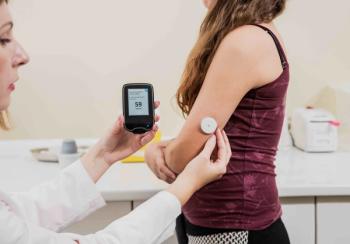
A real-world study conducted across 9 European countries found that bolus injection frequency and engagement with a smart pen to administer insulin were associated with improved glycemic control among young adult patients with type 1 diabetes (T1D).
Selected coverage of multiple myeloma from the 65th American Society of Hematology Annual Meeting and Exposition, December 9-12, 2023, San Diego, California.

The study provides proof of principle for a novel approach to early detection of ovarian cancer based on an assessment of genomic instability patterns in DNA from Papanicolaou (Pap) smears.
The January 2024 guidelines update also changed mirvetuximab soravtansine plus bevacizumab from a category 2B recommendation to a category 2A recommendation for platinum-resistant, FRα-expressing tumors.

Molly Mendenhall, BSN, RN, director of quality and compliance at Oncology Hematology Care, Inc (OHC), discussed a 1-year quality improvement project implemented by OHC to standardize comprehensive biomarker testing in patients with non–small cell lung cancer (NSCLC).

In a systematic review and meta-analysis, real-time continuous glucose monitoring (CGM) demonstrated benefits in terms of time in range, hypoglycemia, and hyperglycemia among patients with type 1 diabetes (T1D).
A real-world study found that patients treated with Bruton tyrosine kinase inhibitors had lower rates of treatment discontinuation and health care resource utilization compared with other first- and second-line treatment regimens.

A study of adolescents with type 1 diabetes (T1D) found that real-time continuous glucose monitoring (CGM) with a predictive hypoglycemia alarm reduced the time spent below range.
Michael Gieske, MD, director of lung cancer screening at St. Elizabeth Health Care, speaks to the success of the Rural Appalachian Lung Cancer Screening Initiative, along with challenges to implementing increased lung cancer screening.

An early-phase, dose-escalation study of a hypofractionated approach to concurrent chemoradiation using an an adaptive stereotactic ablative radiotherapy (SABR) boost showed promising results in patients with locally advanced, unresectable non–small cell lung cancer (NSCLC).

Findings from the phase 3 SEQUOIA trial favored zanubrutinib over bendamustine plus rituximab in most biomarker-based subgroups of patients with chronic lymphocytic leukemia (CLL) or small lymphocytic lymphoma (SLL) without deletion of the 17p chromosome.
Margaret Liang, MD, MSHPM, gynecologic oncologist and health services researcher and director, Gynecologic Oncology Fellowship Program, Cedars-Sinai Cancer Center, discusses financial toxicity in cancer care and how institutions can help alleviate the financial burden for patients.

A Finnish study found maternal type 1 diabetes (T1D) to be associated with a significantly higher risk of any congenital heart defect (CHD) in offspring, and that maternal overweight or obesity was associated with certain CHDs in offspring.

Melinda C. Aldrich, PhD, MPH, associate professor in the departments of medicine, thoracic surgery, and biomedical informatics at Vanderbilt University, discussed recently updated lung screening guidelines from the American Cancer Society and the importance of equity across populations as new guidelines are developed.
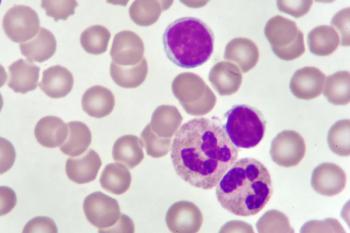
An abstract presented at the 2023 American Society of Hematology Annual Meeting and Exposition suggests that patients with chronic lymphocytic leukemia (CLL) treated in the era of novel agents might be less likely to experience Richter transformation compared with those treated prior to this era.
Michael Gieske, MD, director of lung cancer screening at St. Elizabeth Health Care, discusses disparities in lung cancer incidence and mortality that the Rural Appalachian Lung Cancer Screening Initiative aims to address.

The most-read content from the 2023 American Society of Clinical Oncology (ASCO) Annual Meeting including the latest findings in ongoing clinical trials, a panel discussion on Medicare oncology payment models, and the importance of alignment between clinicians and payers on clinical pathways.
In the wake of the 2023 American Society of Hematology Annual Meeting and Exposition, Raymond Thertulien, MD, PhD, of Novant Health, and Joseph Mikhael, MD, MEd, FRCPC, FACP, chief medical officer of the International Myeloma Foundation, discussed health equity research highlights from the meeting and drivers of racial disparities in multiple myeloma outcomes.

In recently published data from the phase 3 PROTECT trial, teplizumab slowed the progression of type 1 diabetes in children and adolescents.
The most-read articles from the 2023 European Hematology Association (EHA) Annual Meeting covered the most up-to-date treatment strategies for hematological malignancies, racial disparities in treatment patterns for blood cancers, and updates on immunotherapy as a tool in hematologic oncology.

Data presented at the 2023 American Society of Hematology (ASH) Annual Meeting and Exposition highlighted improvements in patient-reported outcomes (PROs) with ciltacabtagene autoleucel (cilta-cel) in multiple myeloma (MM).
Our top-read type 1 diabetes articles of 2023 covered increases in rates of pediatric diabetes early in the COVID-19 pandemic, novel therapies for T1D, and links between patient characteristics and T1D outcomes.

Our most-read oncology content of 2023 included meeting coverage, research on an algorithm using patient-reported outcomes to predict hospital visits, and the launch of an National Comprehensive Cancer Network pilot project aiming to measure health equity.

Mark A. Socinski, MD, executive director at AdventHealth Cancer Institute, discussed the emergence of targeted therapies for lung cancer and their ongoing impact on outcomes for certain patients.

259 Prospect Plains Rd, Bldg H
Cranbury, NJ 08512
© 2025 MJH Life Sciences®
All rights reserved.