
The COORDINATE-Diabetes seeks to explore what happens between development of clinical guidelines and their translation into clinical practice.
Mary Caffrey is the Executive Editor for The American Journal of Managed Care® (AJMC®). She joined AJMC® in 2013 and is the primary staff editor for Evidence-Based Oncology, the multistakeholder publication that reaches 22,000+ oncology providers, policy makers and formulary decision makers. She is also part of the team that oversees speaker recruitment and panel preparations for AJMC®'s premier annual oncology meeting, Patient-Centered Oncology Care®. For more than a decade, Mary has covered ASCO, ASH, ACC and other leading scientific meetings for AJMC readers.
Mary has a BA in communications and philosophy from Loyola University New Orleans. You can connect with Mary on LinkedIn.
The COORDINATE-Diabetes seeks to explore what happens between development of clinical guidelines and their translation into clinical practice.

The relationship between diabetes management and preventing cardiovascular events was a theme throughout 2018, and this is reflected in the new standards.

In the past, data-gathering on pregnancy-related deaths has been irregular and review committees have not always addressed prevention.

The 2019 Standards of Care reflect an ongoing collaboration between the American Diabetes Association and the American College of Cardiology.

Many commentators disagreed with the argument that the call for a penalty to enforce the individual mandate could not stand apart from other parts of the law, such as protections to cover pre-existing conditions.

A federal judge in Texas ruled that the Affordable Care Act's individual coverage mandate is unconstitutional and that the rest of the law must also fall, likely setting up a fight in the Supreme Court and throwing into question the idea that consumers should have protection against discrimination by insurers for having pre-existing health conditions.

A forecast from the American College of Cardiology covers trends from therapy to technology to value-based care.
The report in Diabetes Care, the official journal of the American Diabetes Association, comes after reports of rising rates of diabetes and obesity among young adults and soaring insulin costs, which may mean diabetes is not being effectively treated.
A recap of the discussion at the Philadelphia meeting of the Institute for Value-Based Medicine®, an initiative of The American Journal of Managed Care®.
Competing breast cancer tests vie for attention from clinicians and payers at the San Antonio Breast Cancer Symposium.

A batch of studies appearing in recent months have linked Medicaid expansion with lower death rates in renal failure, more efforts to quit smoking, and earlier detection of cancer. There are mixed outcomes in chronic disease, but an important clinical trial in Oregon shows that over the long haul, Medicaid expansion makes a difference.

The authors say while guidelines look at the benefits of statins to prevent cardiovascular disease (CVD), they do not adequately assess the harms. The new model takes this into account.
A commentator said a solution may come from the survey method: giving patients an opportunity to disclose medical information through an impersonal instrument.

CMS Administrator Seema Verma announced consumers buying health insurance through the exchanges set up by the Affordable Care Act (ACA) would be allowed to have heath savings accounts, and the agency will allow states to set their own subsidies and decide what type of health plan is eligible for subsidies. In addition, waivers would be evaluated against the Hyde amendment.
The authors noted that until recently, medications to control blood glucose were not expected to offer any benefit in helping patients avoid cardiovascular events.
Findings showed that children in primary care who received guidance on managing their weight over a year did as well as those who received treatment in major research clinics. The results are encouraging, given the rise in obesity around the globe.

Novo Nordisk plans to seek FDA approval for the GLP-1 receptor agonist in the first half of 2019.
A 2015 study sponsored by the National Institutes of Health made a change in blood pressure guidelines seem inevitable. But there is disagreement between the standards promoted by societies for family physicians and those for cardiologists, leading to confusion for those in daily practice.
In the keynote address at Patient-Centered Oncology Care® 2018, Barbara McAneny, MD, a New Mexico oncologist/hematologist and the current president of the American Medical Association (AMA), shared her diagnosis for the current crisis in US healthcare, as well as a prescription—a new real-time oncology payment model led by physicians.
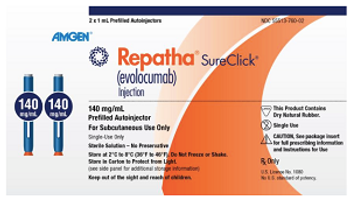
The guidelines unveiled at the American Heart Association annual meeting discuss when patients at the highest risk could be treated with a PCSK9 inhibitor.
The report finds that another 1.7 million Americans have diabetes than would have been the case if rates had not increased.
If the trial is successful, venglustat could be the first treatment to target the mechanism of action in autosomal dominant polycystic kidney disease (PKD), which affects 120,000 people in the United States.

Results presented at the American Heart Association in Chicago provided the strongest evidence to date on what heart failure specialists have discussed for several years now: the possibility that SGLT2 inhibitors might be used to prevent heart failure in patients with type 2 diabetes.

The announcement is an about-face from earlier efforts that scrapped a cardiac care bundled payment program originally developed during the Obama administration.
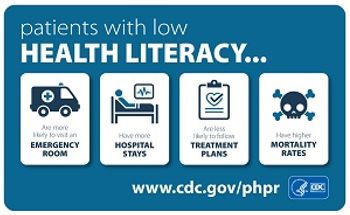
The study examined several social factors that can affect health outcomes when patients are hospitalized for cardiovascular events.
Developing a predictive model can identify which patients could be at risk of developing an opioid use disorder and allow health systems to prevent this from happening.

The report, more than a year in the making, comes at the start of Diabetes Awareness Month.

The label change includes data from the LEADER trial, which showed that the same active ingredient, liraglutide, reduced major cardiovascular events when given at a lower dose.
The analysis comes amid a debate set off when CVS Caremark announced that it would allow self-funded insurers to exclude drugs that entered the market above $100,000 per quality-adjusted life year.

259 Prospect Plains Rd, Bldg H
Cranbury, NJ 08512
© 2025 MJH Life Sciences®
All rights reserved.