

Richard Bogan, MD, discusses trial data coming out of the VIBRANCE studies for patients with narcolepsy type 2 and idiopathic hypersomnia.
Isabella Ciccone, assistant editor, NeurologyLive®, has been with the team since September 2022. Follow her on Twitter at @iciccone7 or email her at iciccone@mjhlifesciences.com.
Richard Bogan, MD, discusses trial data coming out of the VIBRANCE studies for patients with narcolepsy type 2 and idiopathic hypersomnia.

Nathanael Hwang discusses how EHR-based machine learning models are adding value to patients with obstructive sleep apnea.

Salma Patel, MD, shares findings from the implementation of combination therapy recommendations for patients with chronic insomnia.

Sunil Sharma, MD, discusses the consequences of not diagnosing patients with sleep-disordered breathing during hospital admission.

Based on the positive topline data, the company plans to submit for regulatory approval for a higher dose of nusinersen for spinal muscular atrophy (SMA) treatment.

Acute clinical events with stable MRI were more likely among patients with multiple sclerosis who had longer disease duration, received highly effective disease-modifying therapies, and who presented with fatigue.

A recent meta-analysis revealed significant differences in characteristic between patients with neuromyelitis optica spectrum disorder (NMOSD) and multiple sclerosis (MS), highlighting the need for enhanced tools to differentiate between these diseases for early and accurate diagnosis.

Research presented at the 2023 American Association of Neuromuscular & Electrodiagnostic Medicine Annual Meeting emphasizes the potential need for patient support programs targeting at-risk populations to enhance disease management and reduce acute care utilization in myasthenia gravis.

The FDA’s decision to allow at-home dosing of intransal foralumab for patients with multiple sclerosis is likely to improve patient compliance to treatment and health outcomes, according to a recent release statement.

RGX-202, a gene therapy for Duchenne muscular dystrophy, was well tolerated with no therapy-related serious adverse effects in 3 patients who received the level 1 dosage.
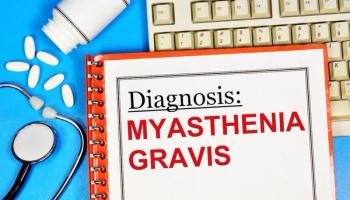
Patients with generalized myasthenia gravis treated with efgartigimod consistently exceeded treatment compared with placebo regardless of gender in age, disease duration, body mass index, and thymectomy.
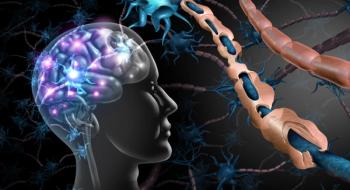
Findings showed that autonomic symptom burden was slightly more severe in patients with multiple sclerosis (MS) compared with those with NMOSD, although the difference was not statistically significant.
Researchers developed a novel “closed-loop” system that delivered electrical pulses in a brain region to synchronize brain activity recorded from another region in the brain to improve memory.

The highest proportions of patients with severe ocular impairment at baseline showed greater improvements in symptom severity on ravulizumab in comparison with placebo after 26 weeks.

Nearly half of patients treated with zilucoplan were considered responders on Myasthenia Gravis Activities of Daily Living (MG-ADL) at the first week, suggesting a rapid onset of efficacy.

Anne Marie Morse, DO, a pediatric neurologist and sleep medicine specialist at Geisinger Medical Center, talked about the challenges that adolescents with narcolepsy face in their social relationships.