





Providers
Latest News
Advertisement
Latest Videos









Podcasts





CME Content


Advertisement
More News

A review of 560 FDA-approved drugs found the FDAAA did not change overall time to first postmarket safety action, but some actions occurred earlier.

As value-based care mandates expand, a new survey highlights documentation burdens and burnout risks.

A phase 2 trial demonstrated substantial weight loss with the long-acting peptide–antibody conjugate, as well as other cardiometabolic improvements.

Patients aged 30 to 40 years with type 1 diabetes had the highest risk of sudden cardiac death, according to 2010 data from Denmark.

The guidelines highlight the need for lifelong obesity management, early diagnosis, comorbidity prevention, and patient-centered care.

McKesson's report highlights key trends in community oncology, emphasizing patient-centered care, precision medicine, and the need for innovative clinical trials.

Within the same physician groups, 2-sided risk in Medicare Advantage (MA) was associated with higher quality and lower utilization for dually eligible beneficiaries compared with fee-for-service MA and traditional Medicare.

Phase 3 OCEANIC-STROKE data show how asundexian offers a potential new secondary stroke prevention option.

Long-term data suggest stress echocardiography can uncover impaired exercise capacity and predict worse outcomes in patients.

Key End Points for Providers to Consider With New Multiple Myeloma Therapies: Hearn Jay Cho, MD, PhD
As novel multiple myeloma therapies enter the relapsed and refractory treatment landscape, safety is a key consideration, says Hearn Jay Cho, MD, PhD.

Nicoletta Colombo, MD, PhD, of the University of Milan-Bicocca, discussed key aspects of the KEYNOTE-B96 trial of paclitaxel with bevacizumab and pembrolizumab in ovarian cancer.

After 8 months of treatment with mavacamten, 5% of patients developed new atrial fibrillation or flutter and 4% developed heart failure.

The expansion of direct-to-consumer (DTC) pharmaceutical manufacturer models and the upcoming TrumpRx launch offer lower costs but create new complexities for patients.

Medicaid expansion has enhanced cancer care in Louisiana, boosting access to treatments like CAR T-cell therapy and improving breast cancer screening initiatives.

Experts discuss the clinical and economic burden of idiopathic pulmonary fibrosis (IPF), emerging clinical data, and strategies to improve patient outcomes.

A case-crossover study found that extreme heat increased mortality between 10% and 18%, with higher risks in vulnerable groups.

Svetlana Barbarash, MD, outlines the lack of cardiologists and transplant services in Las Vegas and the policy changes needed to close gender gaps in care.

Onasemnogene abeparvovec-brve is now the first gene replacement therapy approved for spinal muscular atrophy in patients 2 years and older.
Svetlana Barbarash, MD, explains how better education, digital monitoring tools, and coordinated care can improve arrhythmia detection and outcomes.

Chimeric antigen receptor T-cell therapies, along with bispecific antibodies, have changed the treatment paradigm for patients with relapsed or refractory mantle cell lymphoma.

A new analysis based on two prospective trials helps clarify the roles of chemotherapy and radiotherapy.

Resmetirom improved MASH and fibrosis consistently across patients regardless of GLP-1 or SGLT2 inhibitor use, with outcomes further enhanced in those who achieved at least 5% weight loss.
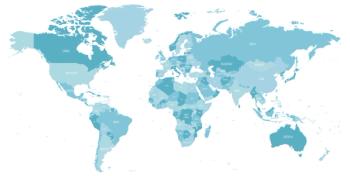
Chronic kidney disease now affects more than 788 million adults globally, with rising prevalence, increasing mortality, and substantial contributions to cardiovascular deaths

A study identified 32 dysregulated cytokines and 5 key signaling hubs in idiopathic pulmonary fibrosis (IPF), mapping a complex network of profibrotic pathways that may serve as future therapeutic targets.

A combined assessment of genetic, serologic, and clinical factors may enhance early recognition of patients with RA who are most at risk for ILD.
Advertisement
Advertisement
Trending on AJMC
1
TrumpRx Launch Brings Savings—and Uncertainty
2
5 Things to Know About the Oral GLP-1 Era
3
Exploring Identity, Appearance Experiences Among Patients With Alopecia
4
Stroke Subtype Does Not Affect Efficacy of Asundexian for Second Stroke Prevention
5