


Reimbursement
Latest Content

Advertisement
Latest Videos



Shorts
0:50
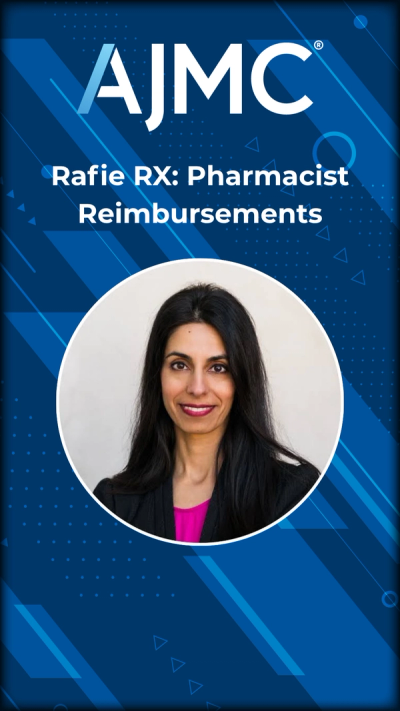
Pharmacists Gain Reimbursement Through Expanded Coverage Mandates: Sally Rafie, PharmD
2 months ago
by
Sally Rafie, PharmD(+1 more)
0:51
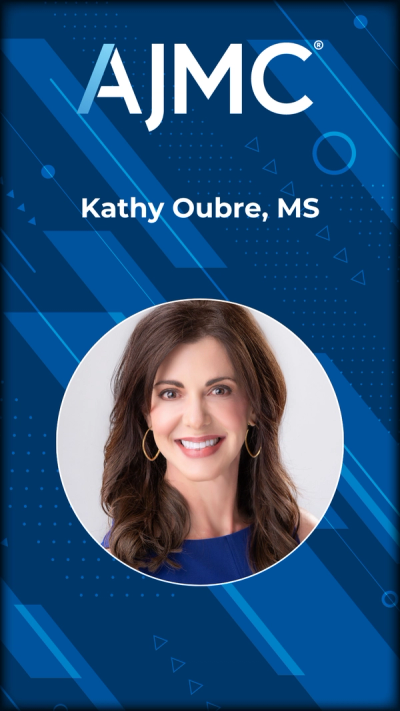
How the OCM Reshaped Oncology Practice Conversations: Kathy Oubre, MS
4 months ago
by
Maggie L. Shaw(+1 more)
0:25
Care Management Is the Future of Oncology: Stephen Schleicher, MD, MBA
4 months ago
by
Maggie L. Shaw(+1 more)
0:25
The Advent of the OCM: Stephen Schleicher, MD, MBA
4 months ago
by
Maggie L. Shaw(+1 more)
1:07
Future Legislation Will Need to Continue to Address Hidden Fees from PBMs, Make Fees More Transparent: Miriam Paramore
8 months ago
by
Julia Bonavitacola(+1 more)
1:14
Why Independent Pharmacies Can't See Real Drug Costs: Miriam Paramore
8 months ago
by
Julia Bonavitacola(+1 more)
1:22
PBM Reform Hinges on Making Prices Transparent for All: Miriam Paramore
9 months ago
by
Julia Bonavitacola(+1 more)
1:09
Administrative Glitches Could Leave Gaps in Care After Medicaid Work Requirements: Ciara Zachary, PhD, MPH
a year ago
by
Julia Bonavitacola(+1 more)
1:02
Millions Set to Lose Medicaid Despite Some Exceptions to Work Requirements: William Schpero, PhD, MPhil, MPH
a year ago
by
Julia Bonavitacola(+1 more)
1:16
Medicaid Work Requirements Will Have Ripple Effects on Health Care Funding: Ciara Zachary, PhD, MPH
a year ago
by
Julia Bonavitacola(+1 more)
Podcasts
Advertisement
More News

Biomarker testing, referrals, screening, treatment access, and clinical trial barriers were examined during this recent IVBM.

Panelists say IRA, Most Favored Nation rules and fragmented data are freezing value-based deals for durable one-time therapies.

Payers say NCCN guideline concordance sets a baseline for cancer coverage, but cost and formulary variation may still limit access.

Topical ruxolitinib prescribing in Medicare Part D surged through 2024, but its cost per day runs 16 times higher than generic tacrolimus.
Community oncology leaders urge 340B overhaul so drug discounts follow vulnerable cancer patients, with audits, transparency, and tighter contract-pharmacy rules. This commentary will be featured on the Cover of the October issue of Evidence-Based Oncology.

New hypertension drugs cost over $800,000 per QALY vs generics, well above cost-effectiveness limits, ICER's draft report finds.

A new international platform trial groups rare pediatric sarcoma substudies under 1 protocol to speed drug access and data collection.

The bipartisan Senate bill would codify 340B patient rules, end rebate model, and boost oversight—as CMS separately proposes deep Medicare 340B payment cuts.
Constrained optimization empirically derived social risk weights that gave equal influence to subgroup performance by dual eligibility and disability in overall contract scores.

New cancer drugs reached patients fastest, but overall access timelines remained lengthy across the US, France, Germany, and Switzerland.

Coverage from the Institute for Value-Based Medicine session in Dallas, Texas, held May 21,2026.

Dermatologists spend 13 hours weekly on prior authorization as health plans tout an 11% reduction in requests.
CMS proposes major Medicare reforms to ACOs, physician pay, and MIPS reporting, aiming to reward outcomes over service volume by 2029.

Health system executives say Medicaid cuts, payer disputes, and misaligned incentives are driving the affordability crisis in 2026.

The message rate tripled, rising by 153% from 2020 to 2025, adding clinician workload and exposing equity gaps that managed care must address.
McKesson and The US Oncology Network find EOM attribution often mislabels cancer episodes—especially oral therapy—threatening value-based care accuracy and accountability.

Cardinal Health hires ex-FCS leader Nathan Walcker to drive The Specialty Alliance's growth, including managed services in gastroenterology and urology.

Commercial health care costs are projected to grow 9% in 2027, driven by AI billing tools, pharmacy spend, and provider consolidation, per a PwC report.

A CMS proposed rule would make the Medicare Drug Price Negotiation Program permanent, covering up to 20 drugs per year starting in 2029.

Worse kidney function and higher proteinuria at biopsy predicted significantly greater health care use over 2 years in patients with IgA nephropathy.
Pharmacy deserts affect 1 in 7 Americans, and hospital-owned specialty pharmacies can help close the gap in medication access.

On paper, the OCM cost Medicare millions. A decade later, physicians say its lessons are priceless.
Remote therapeutic monitoring with ePROs powered by AI cuts hospitalizations and boosts therapy time—now a key oncology leader promotes guidelines and reimbursement to make it standard of care.

Community oncology practices face major infrastructure and reimbursement gaps when delivering bispecific antibodies.
Medication adherence is a key to improving outcomes, reducing costs, and strengthens the patient experience, making it an important lens into how health care is serving patients
Advertisement
Advertisement
Trending on AJMC
1
Awareness Gaps Drive Narcolepsy, IH Delays: Logan Schneider, MD
2
Merck, Moderna Cancer Vaccine Cuts Melanoma Recurrence Risk by 42%
3
Povetacicept Cuts Proteinuria by 52% in IgA Nephropathy at Week 36
4
Nephrologists Weigh Wins, Losses From 5 Years of Value-Based Kidney Care
5