






Inflammation
Latest Content
Advertisement
Latest Videos


Shorts


Advertisement
More News

Expert guidance shows how to safely tailor aesthetic dermatology for allergic skin conditions like urticaria and eczema.

Phase 3 trials show deucravacitinib, the first TYK2 inhibitor approved for adults with active psoriatic arthritis (PsA), improves both joint and skin symptoms.

Safety profiles, efficacy, and lifestyle factors inform shared decision-making and help optimize biologic selection in inflammatory disease management.

Patients with proinflammatory, pro-oxidative diets may face accelerated biological aging and increased skin cancer risk.

This year's top inflammation article highlighted the first FDA-approved treatment for patients with bronchiectasis.
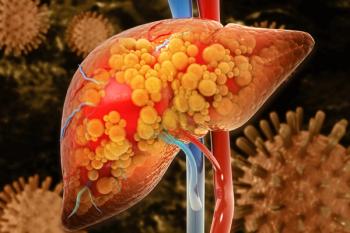
The novel biomarker APP performed comparably to Fibrosis-4 overall and showed improved cirrhosis detection in patients with diabetes.

Top content from this year's CHEST meeting in Chicago focused on bronchiectasis treatment, particularly the newly FDA-approved brensocatib (Brinspuri; Insmed).

Recent studies highlight ustekinumab's effectiveness and safety in treating Crohn disease, especially for patients unresponsive to prior therapies.

A study reveals real-world effects of switching to adalimumab biosimilar Hyrimoz, highlighting flare rates and injection pain concerns in inflammatory disease patients.

US adults with arthritis have higher odds of stress, urge, and mixed urinary incontinence, highlighting the need for routine screening and integrated care.

Patients hospitalized for bronchiectasis exacerbations face higher mortality, longer stays, and greater costs than those with COPD or asthma.

Brensocatib improves lung structure and reduces exacerbations in non-cystic fibrosis bronchiectasis with or without COPD, according to posters presented at this year's CHEST meeting.

A session held during the CHEST 2025 Annual Meeting focused on the North American guidelines for treating bronchiectasis.

Tezepelumab (Tezspire) improves symptoms, reduces surgery needs, and lowers steroid use in patients with chronic rhinosinusitis with nasal polyps (CRSwNP).

Brensocatib Reduced Symptom Burden, Neutrophil Serine Proteases Activity in Bronchiectasis
Published: | Updated:
Results from the ASPEN trial also show that brensocatib displayed several benefits when used in patients with bronchiectasis, including a reduction in symptom burden.
Arthritis care remains fragmented and costly, with access disparities prompting calls for preventive strategies, community resources, and systemic improvements.

The new indication allows doctors to use upadacitinib before tumor necrosis factor–blocking agents when those treatments are clinically inadvisable.

Arthritis is not one disease, and it has an impact that extends far beyond the well-known osteoarthritis or rheumatoid arthritis.

Although rarely used in psoriatic arthritis (PsA), combination targeted therapy (CTT) appears to have a safety profile comparable to standard therapy.

GLP-1 RA tirzepatide may be more cost-effective for patients with obesity and knee osteoarthritis than semaglutide.

Patients with bronchiectasis who are highly symptomatic face an increased risk of future exacerbations, suggesting symptoms should guide prevention strategies.

Lower geriatric nutritional risk index (GNRI) scores in older patients with osteoarthritis are linked to higher all-cause and cardiovascular mortality risks, highlighting the critical role of nutritional assessment in managing their health.

Both systemic sclerosis and systemic lupus erythematosus have down-regulated RGS5, but they also have distinctive genetic expression profiles.

Brensocatib (Brinsupri; Insmed) gains FDA approval as the first treatment for bronchiectasis, offering hope to patients with the chronic lung disease.

Researchers discovered a significant negative correlation between an individual's oxidative balance score and systemic immune-inflammation index, highlighting the role of antioxidants in reducing inflammation.
Advertisement
Advertisement
Trending on AJMC
1
Preparing for Hepatitis B Functional Cure: Jordan Feld, MD, MPH
2
IDWeek Studies Tie RSV, Flu, and COVID-19 to Harm After Acute Illness
3
Povetacicept Cuts Proteinuria by 52% in IgA Nephropathy at Week 36
4
FDA Approves Talazoparib Plus Enzalutamide for HRR-Mutated mHSPC
5