
The most pressing questions in ITP involve finding a cure and developing treatments safe for use during pregnancy.

Brooke is an associate editor for The American Journal of Managed Care® (AJMC®). She joined AJMC in 2023, where she produces content covering multiple disease states.
She has a BA in journalism from Seton Hall University. You can connect with Brooke on LinkedIn.
The most pressing questions in ITP involve finding a cure and developing treatments safe for use during pregnancy.

Population demographics and prevention efforts are key drivers of influenza burden, according to Marco del Riccio, MD.
Rilzabrutinib (Wayrilz; Sanofi), a BTK inhibitor, targets immune-mediated platelet destruction in immune thrombocytopenia (ITP) and has demonstrated a favorable safety profile.

Amrita Basu, PhD, says AI can transform health care by streamlining data, enhancing decision-making, and unlocking insights to improve patient outcomes.

Eric H. Yang, MD, emphasizes the need for collaboration and interventions to protect patients’ hearts during breast cancer treatment.

Molecular ESR1 changes may signal symptomatic progression before imaging in metastatic breast cancer, supporting camizestrant for improved quality of life.
These pieces highlight several newly approved therapies that expanded treatment options across multiple disease states.
This year's most-watched video evaluated how President Donald Trump's rescission of several Biden-era executive orders may impact Medicaid and Medicare initiatives.

A recent review suggests women with ovarian or colorectal cancer face a higher risk of developing the other, highlighting the need for surveillance.
Angela Liu, PhD, MPH, speaks about her study that examined mental health care use by Medicare beneficiaries before and after switching from MA to TM.

Studies indicate that ultrasound-based AI models significantly outperform sonographers in diagnosing ovarian cancer.

This year's top inflammation article highlighted the first FDA-approved treatment for patients with bronchiectasis.

This year's top ovarian cancer article highlighted gaps in physician knowledge of genetic testing that may affect patient care.

Industry leaders discuss how policy, pricing, and innovation will shape the future of oncology care and patient access.
Top pieces from 2025 spanned outbreaks, an FDA drug approval, and the impact of NIH grant terminations.
The San Antonio Breast Cancer Symposium fosters collaboration among experts, enhancing research and treatment strategies for breast cancer's complex landscape.

Experts at SABCS highlighted the aggressive nature of breast cancer in young women, emphasizing tailored management and support strategies.

The FDA approved subcutaneous amivantamab with recombinant human hyaluronidase for EGFR-mutated NSCLC based on the phase 3 PALOMA-3 trial.

Marco del Riccio, MD, explains that the Flunomics report helped to identify gaps in US vaccine coverage and influenza surveillance during the 2024-2025 season.
Today, the FDA issued new guidance allowing de-identified real-world evidence in certain medical device applications, removing a barrier to using large data sources.

COVID-19 vaccination during pregnancy lowers hospitalization and preterm birth risks, providing key guidance for maternal care strategies.
Eric H. Yang, MD, warns that lifetime cardiovascular risk for patients with breast cancer may exceed the general population as life expectancies grow, emphasizing the need for early intervention.
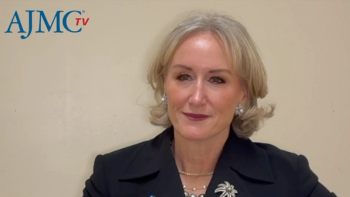
Debra Patt, MD, PhD, MBA, MPH, spoke at SABCS about the importance of patient-investigator collaboration to enhance the clinical trial process.
Five key oncology FDA approvals came through last month, expanding treatment options across multiple cancer types.

Genetic risk models and variant tools help to guide intensive interventions for high-risk carriers and personalized management for others.

Innovative smart pill bottles significantly enhance adherence to oral adjuvant endocrine therapy in early-stage breast cancer, noted Steven Manobianco, MD.

New findings from 2 abstracts presented at SABCS reveal T-DXd regimens enhance outcomes and tolerability for patients with high-risk HER2-positive early breast cancer.

Early fertility counseling is necessary for young patients before treatment limits options, said Yara Abdou, MD, of the University of North Carolina at Chapel Hill.
Top content from this year's CHEST meeting in Chicago focused on bronchiectasis treatment, particularly the newly FDA-approved brensocatib (Brinspuri; Insmed).

Treatment-induced menopause can occur with severe symptoms, making personalized management and careful therapy selection essential.

259 Prospect Plains Rd, Bldg H
Cranbury, NJ 08512
© 2025 MJH Life Sciences®
All rights reserved.