

Clinical
Latest News

Advertisement
Latest Videos





Advertisement
More News

A variety of treatment options for vitiligo are explored by Drs Dunn, Rosmarin, and King.

The authors evaluate the effect and safety of biosimilar trastuzumab MYL-1401O in human epidermal growth factor receptor 2 (HER2)–positive early-stage (neoadjuvant and adjuvant therapy) and metastatic (palliative therapy) breast cancer using real-world data.

Amresh Raina, MD, is director of the Advanced Heart Failure and Pulmonary Hypertension Program at Allegheny General Hospital and the Allegheny Health Network in Pittsburgh, Pennsylvania.

Drs Agarwal and Pitt begin an overview of the CKD treatment landscape, beginning with the importance of blood pressure management.
Jeffrey Feldman, MD, describes the treatment goals for patients with CKD.
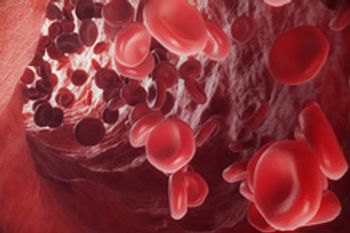
A review published in Transfusion Medicine Reviews discussed the 2 therapeutic approaches and their pros and cons for treating cold agglutinin disease (CAD).
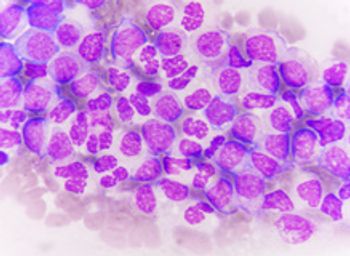
A review published in Frontiers in Oncology explored the application of allo-SCT for myelodysplastic syndromes and myeloproliferative neoplasms.

New data show litifilimab outperformed placebo in patients with active arthritis and skin manifestations due to systemic lupus erythematosus (SLE).

About 4 in 10 patients do not receive curative therapy despite early detection, a new study shows.

In this interview with The American Journal of Managed Care® (AJMC®), Igor Puzanov, MD, of Roswell Park Comprehensive Cancer Center and Jacobs School of Medicine and Biomedical Sciences, University of Buffalo, discusses the state of treatment selection in the setting of resected advanced melanoma, why sequencing of therapies does not occur in the setting of adjuvant therapy, and best practices to keep in mind for patient education and managing their treatment-related toxicities.
Chimeric antigen receptor (CAR) T-cell therapies may help patients with otherwise refractory cases of multiple myeloma, but patients must overcome significant hurdles to access the therapy.

A study found that patients who had no need of rescue therapy had a reduced risk of corticosteroid-related intraocular pressure (IOP) elevation when using SCS triamcinolone acetonide.

Hatim Husain, MD, discusses how National Comprehensive Cancer Network (NCCN) treatment guidelines adjust to meet the treatment needs of patients with lung cancer.

This study suggests that the diaphragm may fare differently from other muscles in spinal muscular atrophy (SMA).

Lynne H. Milgram, MD, MBA, CPE, speaks about the USPSTF Grade A recommendation for injectable cabotegravir and how it could affect emerging agents in the future.
Dr Milgram focuses on the cost-effectiveness of cabotegravir as a long-acting injectable PrEP therapy and how providers and payers use data and real-world evidence to create PrEP policies.
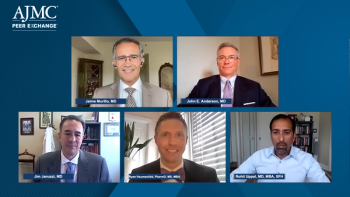
The impact of SGLT2 inhibitors in heart failure treatment is highlighted by the EMPEROR-Preserved and EMPEROR-Reduced trials.
Jaime Murillo, MD, outlines payer utilization management strategies identified by the PARADIGM-HF study.
Key opinion leaders discuss how diagnosing vitiligo can lead to myriad treatment options.
The panel of experts address the economic burden of vitiligo from payer and provider perspectives.

Problematic nail conditions range from nail psoriasis (NP) to paronychia, which are commonly seen in clinical practice and result from infectious, inflammatory, neoplastic and traumatic etiologies.

Orphan drug designation incentives have helped boost enthusiasm for researching and developing drugs for beta thalassemia, a new review concludes.

Following a recent update to the diagnostic criteria for borderline pulmonary hypertension (PH), which is often associated with left heart failure (LHF), outcomes among patients with both conditions remain uncertain.

A recent study attempted to determine the prevalence of eosinophilic esophagitis (EoE) in a group of patients allergic to milk or egg and undergoing oral immunotherapy (OIT) to those foods, as well as describe its management and treatment pathway.
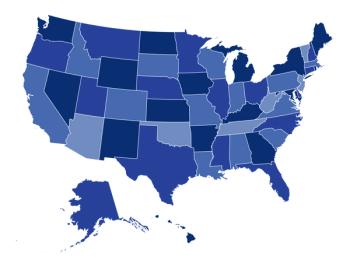
The findings, which contradict prior North American studies, suggest that the incidence rate of the rare cancer continues to increase in the United States.
Advertisement
Advertisement
Trending on AJMC
1
TrumpRx Launch Brings Savings—and Uncertainty
2
As Cencora Closes With OneOncology, Patton Says Terms Show “Trust”
3
Benefits, Tradeoffs of Medically Integrated Dispensing in Oncology Care: Katherine Tobon, PharmD, BCOP
4
Asundexian Reduces Risk of Stroke Recurrence in Phase 3 OCEANIC-STROKE Trial
5