
Clinical
Latest News
Advertisement
Latest Videos





Advertisement
More News

Repetitive transcranial magnetic stimulation offers an alternative solution that may be effective for treating depression in patients with adverse childhood experiences.

The index for eosinophilic esophagitis (EoE) was crafted based on a literature review by a multidisciplinary team of experts.

Data suggest that the technology may be an option for patients who are ineligible for autologous stem cell transplantation (ASCT) based on certain patient characteristics, prior treatments, stem cell availability, or tumor chemosensitivity.
Arlene Siefker-Radtke, MD, opens a discussion recapping the ESMO 2022 conference surrounding advanced and metastatic urothelial cancer.
Dr Millie Das, MD discusses updates from the 2022 World Conference on Lung Cancer regarding non-small cell lung cancer (NSCLC).

Although exercise during cancer treatment is encouraged, multiple myeloma can present special challenges, since there is an increased risk of bone fractures, pain, and other deformities.

Syma Iqbal, MD, shares final insights into the ESCC and GI cancer treatment landscape, emphasizing the utilization of key diagnostic tools and innovative treatment strategies.

Although group 1 pulmonary arterial hypertension (PAH) with comorbid syncope has been linked to a poor prognosis among adults, this relationship remains uncertain in pediatric patients, prompting a new study.

Martin Runnström, MD, a fourth-year fellow at the Emory University School of Medicine, describes a study he presented at CHEST 2022 showing a reduced response to a 2-dose immunization series for SARS-CoV-2 among patients using biologics to treat severe asthma or atopic dermatitis.

Experts discuss the impact of supportive care in the MDS treatment landscape.
Drs Zeidan and Fazal share their opinions on setting appropriate goals for treatment of patients with MDS.

Continuous Monitoring Outperforms Fingerstick Testing in Patients With T1D, High Glycated Hemoglobin
The report found people using continuous monitoring systems spent more time in their target glucose ranges.

As understanding of COVID-19 evolves and more evidence on treatments emerges, making sense of it can be a challenge for physicians.
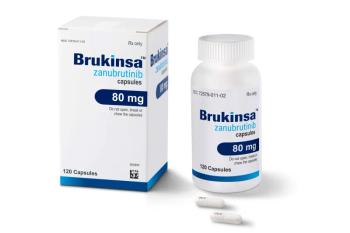
Results will be presented at an upcoming medical conference.

There are several closely watched randomized trials examining catheter-directed therapies for acute pulmonary embolism, according to Parth Rali, MD, an associate professor of thoracic medicine and surgery at the Lewis Katz School of Medicine and director of the Temple University Health System Pulmonary Embolism Response Team.

One poster found patients with uncontrolled asthma had improved outcomes after escalating to triple therapy, while the other found a substantial portion of patients adherent to a dual therapy reported not having controlled asthma.

Leaders from City of Hope National Medical Center discussed how the cancer research and treatment center addressed challenges with attracting and retaining oncology pharmacists through a restructuring during the ACCC 39th National Oncology Conference.

Only about 10 cases of hypoparathyroidism related to systemic lupus erythematosus (SLE) have been reported, according to researchers who recently described such a case.
Millie Das, MD, outlines the JAVELIN Lung 100 trial and shares insights on strategies and data interpretation from the trial.

A new report finds inflammation scores can predict outcomes among patients receiving immunotherapy for intrahepatic cholangiocarcinoma (ICC).

William B. Miller, Jr, MD, evolutionary biologist, medical doctor, and author explains the importance of cellular research in finding inventive solutions to the growing burden of cancer.
Syma Iqbal, MD, discusses how ESCC and GI cancer treatment pathways may have a myriad of effects on patient quality of life.
A medical expert discusses treating patients with ESCC and GI cancers as recommended by current FDA and NCCN guidelines.

However, the researchers said their findings should not be interpreted as completely refuting the possibility that hydroxychloroquine might be a useful tool in preventing or slowing the development of systemic lupus erythematosus (SLE).

Despite the use of therapies to address the clinical manifestations of myelofibrosis (MF) and essential thrombocythemia (ET), the symptom burdens of these conditions continue to negatively affect patient quality of life (QOL).
Advertisement
Advertisement
Trending on AJMC
1
TrumpRx Launch Brings Savings—and Uncertainty
2
As Cencora Closes With OneOncology, Patton Says Terms Show “Trust”
3
Benefits, Tradeoffs of Medically Integrated Dispensing in Oncology Care: Katherine Tobon, PharmD, BCOP
4
Asundexian Reduces Risk of Stroke Recurrence in Phase 3 OCEANIC-STROKE Trial
5