




Clinical
Latest News
August 26th 2023
By Rose McNulty
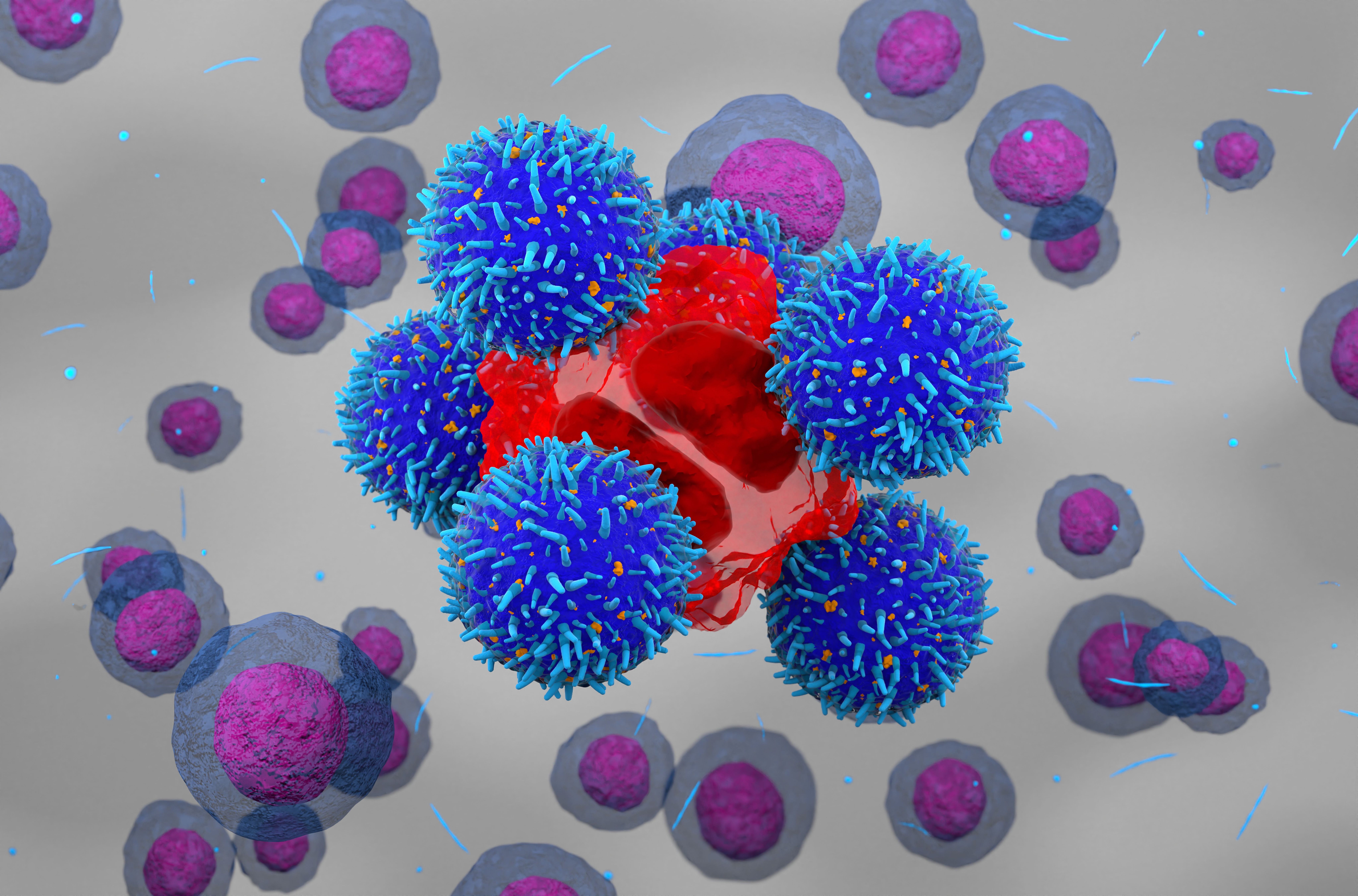
A retrospective analysis of the CARTITUDE-1 trial suggests that patients who have undergone allogeneic stem cell transplant (allo-SCT) prior to receiving chimeric antigen receptor (CAR) T-cell therapy for multiple myeloma experience comparable outcomes to allo-SCT–naïve patients.
Advertisement
Latest Videos




![Video 4 - "Computed Tomography Perfusion [CTP] In Stroke Management"](https://cdn.sanity.io/images/0vv8moc6/ajmc/c4da14211ce6f243a0ae43e2b004d1a8a5dd2197-1920x1080.png?w=320&fit=crop&auto=format)

CME Content


Advertisement
More News

Three sessions of a semi-structured focus group were conducted to gain patient feedback on personalized screening for colorectal cancer (CRC).

Periodic limb movements during sleep (PLMS) are an added risk factor for cardiovascular disease in obstructive sleep apnea (OSA), recent study findings suggest.

The study comprehensively described the atopic dermatitis (AD) burden among young Japanese patients with moderate or severe forms of the disease.

Teriflunomide treatment incurred an unadjusted risk reduction of 63% and an adjusted risk reduction of 72% in inhibiting a first clinical demyelinating event in patients with multiple sclerosis (MS).

Navigating the efficacy of schizophrenia treatment selection.

Second-line treatment with axicabtagene ciloleucel (axi-cel) led to an investigator-assessed, 3-month complete metabolic response rate of 71.0% in patients with large B-cell lymphoma (LBCL) who were ineligible for autologous stem cell transplant.
The use of cognitive behavioral therapy (CBT) in schizophrenia treatment is examined.

The risk of developing chronic obstructive pulmonary disease (COPD) increased in young people who smoke cigarettes more frequently, indicating smoking is an important COPD risk factor.

Investigators say computer algorithms can be used to assess physical and vocal signs of myasthenia gravis (MG).

Jennifer Brown, MD, PhD, director of the Chronic Lymphocytic Leukemia Center at Dana-Farber Cancer Institute, discussed the uptake of zanubrutinib for the treatment of chronic lymphocytic leukemia (CLL) and small lymphocytic leukemia (SLL).

A rapid sputum-based test can accurately identify the presence of white blood cells by tracking their protein signatures.
Medical experts discuss current obstacles facing ideal respiratory syncytial virus (RSV) treatment strategies in children.
Adam Welch, PharmD, MBA, FAPhA, leads a discussion surrounding payer considerations for RSV vaccinations in children.

The most severe psoriasis was associated with the lowest blood levels of vitamin D and the greatest affected body surface area.

Certain immune cell types are associated with immune checkpoint inhibitor (ICI) response in patients with non–small cell lung cancer (NSCLC).
There is no standard treatment in acute myeloid leukemia (AML) or myelodysplastic syndromes (MDS) for patients who have a relapse following allogeneic hematopoietic cell transplantation.
A look at the psychological implications of acne in teenagers and adults.
Discussion on the economic burden of over-counter and prescription drug costs related to acne therapy.

Dr Marshall describes the impacts of microsatellite stability and instability on metastatic colorectal cancer.

Interviews on research presented at the European Hematology Association 2023 Hybrid Congress, which took place June 8-11 in Frankfurt, Germany
Full team coverage from the European Hematology Association 2023 Hybrid Congress, which took place June 8-11 in Frankfurt, Germany.

Kevin Davies, PhD, executive editor, The CRISPR Journal and GEN Biotechnology, and author of Editing Humanity: The CRISPR Revolution and the New Era of Genome Editing, discusses the difficulties inherent in making CRISPR gene editing technology an equitable treatment.
Gustavo Fonseca, MD, FACP, physician director of clinical research, Florida Cancer Specialists & Research Institute (FCS), discusses the results from a late phase complexity analysis on barriers to clinical trials regarding biopsy requirements.

The study also found people with vitamin D deficiency had a lower mortality rate from Clostridioides difficile infection (CDI).

This rare adverse effect was witnessed in a small number of people post vaccine administration.
Advertisement
Advertisement
Trending on AJMC
1
TrumpRx Launch Brings Savings—and Uncertainty
2
5 Things to Know About the Oral GLP-1 Era
3
Exploring Identity, Appearance Experiences Among Patients With Alopecia
4
Stroke Subtype Does Not Affect Efficacy of Asundexian for Second Stroke Prevention
5