

Conference Coverage
about 14 hours ago
Systemic Inflammation Tied to Worse Outcomes in CKD, AMILatest Content
May 02, 2026 | Commentary
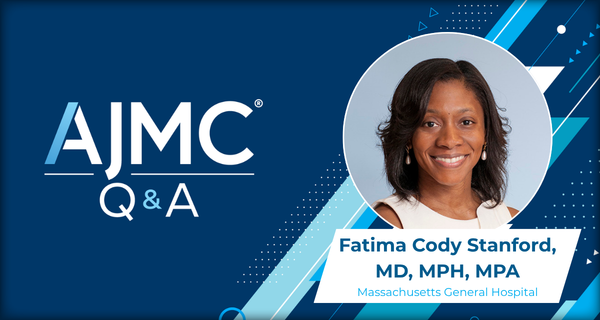
Obesity as a Neurobiological Disease: Fatima Cody Stanford, MD, MPH

Systemic Inflammation Tied to Worse Outcomes in CKD, AMI
May 02, 2026
Health Equity & Access Weekly Roundup: May 1, 2026
May 01, 2026

AI in Oncology Practice: Innovation in the Delivery of Care Itself
May 01, 2026
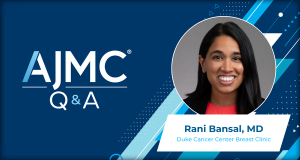
Breast Cancer in Young Women: Rani Bansal, MD, Discusses Subtypes, Disparities, and the Importance of Self-Advocacy
May 01, 2026







Advertisement
Shorts

0:39
A Medical Misdiagnosis That Led to a Child Protection Case: Joseph Lam, MD
a day ago
by
Pearl Steinzor(+1 more)

0:52
Why Infection Prevention Lags Behind Cancer Research: Muhammed Bilal Abid, MD
a day ago
by
Sabrina McCrear(+1 more)

0:36
Why Pediatric Practices Struggle With Accepting Medicaid: Chris Johnson, MBA
2 days ago
by
Giuliana Grossi(+1 more)
1:31
Is the New COVID-19 “Cicada” Variant Dangerous?: Muhammed Bilal Abid, MD
2 days ago
by
Sabrina McCrear(+1 more)
1:18
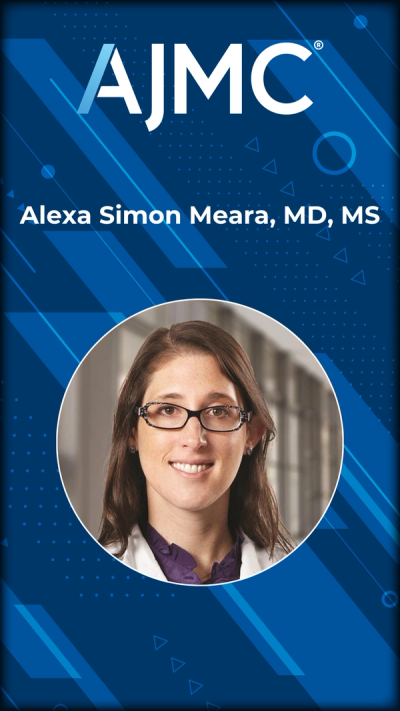
Barriers to Community Oncology Care Referral: Alexa Simon Meara, MD, MS
3 days ago
by
Maggie L. Shaw(+1 more)
0:44
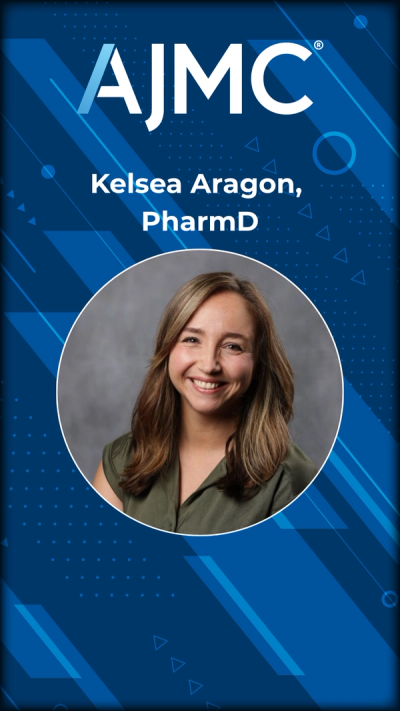
Why PrEP Options Are Changing Everything: Kelsea Aragon, PharmD
3 days ago
by
Sabrina McCrear(+1 more)

0:53
Community Oncology Advocacy Difficult, but Not Impossible: Kathy Oubre, MS
3 days ago
by
Maggie L. Shaw(+1 more)

0:55
Why Your Prescription Costs Are Outpacing Your Wages: Ulrich Neumann
4 days ago
by
Sabrina McCrear(+1 more)
0:56
Why Step Therapy Fails in HIV Prevention: Kelsea Aragon, PharmD
4 days ago
by
Sabrina McCrear(+1 more)
0:43
Life-Saving Gene Therapies Cost Up to $4 Million: Fran Gregory, PharmD, MBA
9 days ago
by
Pearl Steinzor(+1 more)
A Conference You Don't Want To Miss
Two days of strategy, insights, and innovation in patient-centered oncology care. September 24–25.

Innovation Starts Here
We’re now accepting applications for OncoVenture—submit your oncology innovation.
Center on Health Equity & Access
Start seeing what truly shapes access and learn how you can redefine the landscape.

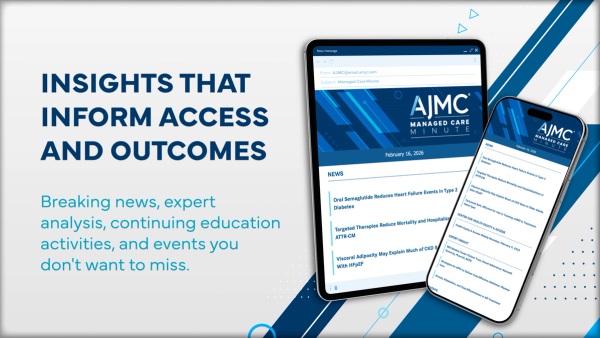
Stay Ahead of Clinical and Policy Change
AJMC's e-newsletter features payer-focused insights across priority disease areas.
Podcasts
Center on Health Equity & Access






Advertisement
All News
Advertisement

The therapy receives FDA approval for Alzheimer disease agitation, backed by phase 3 data showing significant symptom reduction and delayed relapse vs placebo.

Experts at AXS26 laid out why advanced therapies are underutilized and what payers, providers, and manufacturers must do together to change that.

At NAACOS 2026, experts highlighted how real-world AI tools are improving care delivery, outcomes, and efficiency across the health care landscape.
Adopting more automated services could potentially reduce costs across the country as adoption remains stable nationwide.

Coverage of our peer-reviewed research and news reporting in the health care and mainstream press.

The results show that semaglutide could be a novel treatment for patients with alcohol use disorder moving forward.

The new work requirements for Medicaid eligibility, included in the One Big Beautiful Bill Act, will officially be required in January 2027.

Progressive care management approaches can enable meaningful, patient-centric outcomes without assuming risk.

Education on colorectal cancer symptoms and screening can help to prevent advancing disease in a cancer that is seeing increased incidence in younger adults.

As CAR T-cell therapy reaches community oncology, practice leaders discuss the challenges of payer hurdles, single case agreements, apheresis costs and whether to pursue accreditation.
Advertisement
Advertisement
Trending on AJMC
1
Systemic Inflammation Tied to Worse Outcomes in CKD, AMI
2
AI in Oncology Practice: Innovation in the Delivery of Care Itself
3
GLP-1s Reduce Heavy Drinking Days in Patients With Obesity, Alcohol Use Disorder
4
Driving Value-Based Practice Transformation Through Care Management
5