



Conference Coverage
Latest Content


Advertisement
Shorts
1:15
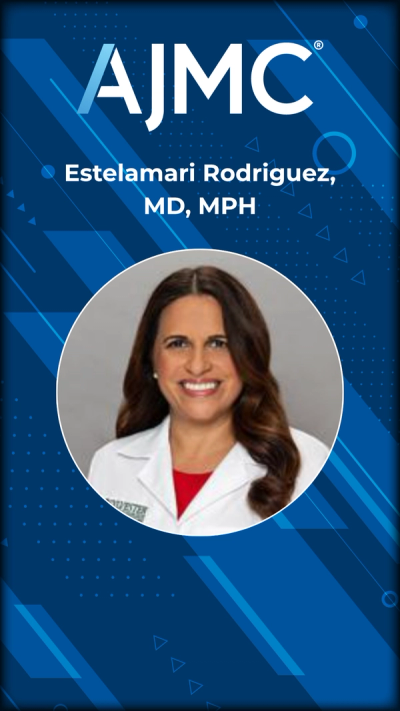
Unmet NSCLC Needs Persist Despite Advances in Targeted Therapies: Estelamari Rodriguez, MD, MPH
18 hours ago
by
Brooke McCormick(+1 more)

0:56
Legal Accountability of AI and Software Companies vs Doctors: Brian Sheppard, JD, LLM
2 days ago
by
Sabrina McCrear(+1 more)
0:52
How Political Policy Is Impacting the Fight Against HIV: Peter Staley
2 days ago
by
Skylar Jeremias(+2 more)
1:50
Rising CRC in Younger Adults Underscores Urgent Need for Earlier Screening: Brooke McCormick
5 days ago
by
Brooke McCormick
0:45
Oral vs Injectable GLP-1s: Eric Levin Talks Cost
5 days ago
by
Giuliana Grossi(+1 more)
0:33
Navigating Employer Coverage for GLP-1 Medications: Eric Levin
8 days ago
by
Giuliana Grossi(+1 more)
1:29
Local Funding Cannot Replace Federal Funding When Addressing HIV: Lindsey Dawson, MA
8 days ago
by
Julia Bonavitacola(+1 more)
0:45
ADAPs Providing HIV Drugs Face Budget Crisis Across the Country: Lindsey Dawson, MA
10 days ago
by
Julia Bonavitacola(+1 more)
1:34
Revised Childhood Vaccine Recommendations Could Affect Herd Immunity: Amy Crawford-Faucher, MD
18 days ago
by
Brooke McCormick(+1 more)
0:33
Building Trust in Clinical Trials for Oncology: Amir Fathi, MD
a month ago
by
Sabrina McCrear(+1 more)
Step Into the Future of Cancer Care
Two days of strategy, insights, and innovation in patient-centered oncology care. September 24–25.

Center on Health Equity & Access
Start seeing what truly shapes access and learn how you can redefine the landscape.

Stay Ahead of Clinical and Policy Change
Subscribe for payer-focused insights across priority disease areas.
Podcasts
Center on Health Equity & Access








Advertisement
All News
Advertisement

Women aged 35-60 years face higher cancer mortality than men in every generation since the 1930s due to breast and reproductive cancers.

Explore frequently asked questions on IPF therapies, including approved drugs, emerging treatments, and approaches to slow fibrosis.

Pediatric health coaching offers a workforce-driven solution to provide support that traditional care models often lack, with the potential to improve outcomes and reduce long-term costs.

Explore FAQs on AI in radiology, including malpractice risk, liability, and how juror perceptions shape legal outcomes when AI is involved.

Disparities in health system performance were larger by income in the US, indicating a need for structural and systemic policy efforts.

The approval marks the first treatment for the rare disease marked by rapid and sustained weight gain caused by hypothalamic injury or dysfunction.

Expert guidance shows how to safely tailor aesthetic dermatology for allergic skin conditions like urticaria and eczema.

Coverage of our peer-reviewed research and news reporting in the health care and mainstream press.

Rural US patients with breast cancer face higher advanced-stage diagnoses, with Black, Hispanic, uninsured patients and those in Southern regions at greatest risk.

Less than half of US adults aged 45 to 49 years were up to date on colorectal cancer (CRC) screening in 2023, suggesting that age group–specific interventions may improve CRC screening in the US.
Advertisement
Advertisement
Trending on AJMC
1
Higher-Dose Semaglutide Approved Under New FDA Accelerated Review Process
2
Rapid Genetic Test Could Help Personalize IVF Treatment in Under an Hour
3
FDA Approves Setmelanotide for Adult and Pediatric Patients With Acquired Hypothalamic Obesity
4
From Trials to Pathways: Rethinking Access in Oncology Care
5