
Conference Coverage
about 21 hours ago
Payment Models Taking Shape for Advanced Therapies: Fran Gregory, PharmDabout 22 hours ago
The Pharmacist as the CLL Communication Hub: Karen Fancher, PharmD, BCOPabout 22 hours ago
Access, Automation, and What Works in Pharmacy: Ryan Telford, PharmDabout 23 hours ago
Amplify the Patient Voice in Community Oncology Care: Rose Gerber, MSLatest Content

Apr 30, 2026 | Commentary
Driving Value-Based Practice Transformation Through Care Management

FAQs on Colorectal Cancer, Treatment, and Prevention
Apr 30, 2026

Taking the Giant Leap Into CAR T: Managing Financial and Administrative Challenges
Apr 30, 2026

Potential Expiration of Tax Credits and Medicaid Unwinding Threaten Progress in Health Equity
Apr 30, 2026

Partnerships Power Access to Advanced Oncology Therapies
Apr 30, 2026




Advertisement
Shorts
1:18
Barriers to Community Oncology Care Referral: Alexa Simon Meara, MD, MS
3 hours ago
by
Maggie L. Shaw(+1 more)
0:44
Why PrEP Options Are Changing Everything: Kelsea Aragon, PharmD
4 hours ago
by
Sabrina McCrear(+1 more)
0:53
Community Oncology Advocacy Difficult, but Not Impossible: Kathy Oubre, MS
19 hours ago
by
Maggie L. Shaw(+1 more)

0:55
Why Your Prescription Costs Are Outpacing Your Wages: Ulrich Neumann
a day ago
by
Sabrina McCrear(+1 more)
0:56
Why Step Therapy Fails in HIV Prevention: Kelsea Aragon, PharmD
a day ago
by
Sabrina McCrear(+1 more)
0:43
Life-Saving Gene Therapies Cost Up to $4 Million: Fran Gregory, PharmD, MBA
7 days ago
by
Pearl Steinzor(+1 more)

0:34
Where Oncology Connects and AI Takes Center Stage: Stephen Schleicher, MD, MBA
7 days ago
by
Maggie L. Shaw(+1 more)
0:52
Treprostinil Shows Promise as Potential First Inhaled IPF Therapy: Steven D. Nathan, MD
8 days ago
by
Sabrina McCrear(+1 more)
0:56
Goals of the Bispecifics Network: Learning How to Operationalize Bispecifics
16 days ago
by
Olalekan Ajayi, PharmD, MBA, FACC(+1 more)
1:03
Sub-Q Amivantamab Reduces Clinic Visits, Infusion Reactions in EGFR-Mutated NSCLC: Estelamari Rodriguez, MD, MPH
18 days ago
by
Brooke McCormick(+1 more)
A Conference You Don't Want To Miss
Two days of strategy, insights, and innovation in patient-centered oncology care. September 24–25.
Innovation Starts Here
We’re now accepting applications for OncoVenture—submit your oncology innovation.
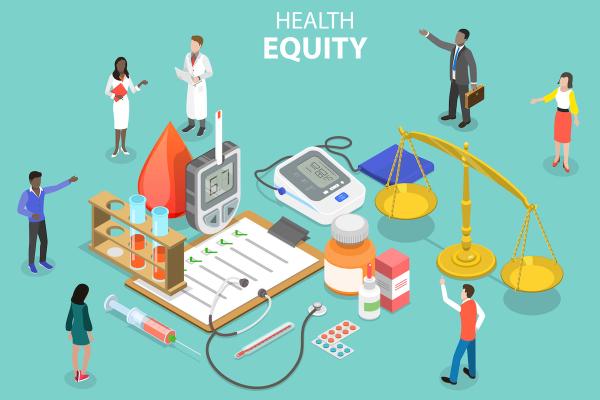
Center on Health Equity & Access
Start seeing what truly shapes access and learn how you can redefine the landscape.

Stay Ahead of Clinical and Policy Change
AJMC's e-newsletter features payer-focused insights across priority disease areas.
Podcasts
Center on Health Equity & Access





Advertisement
All News
Advertisement

Experts examined oncology care innovation, access gaps to CAR T-cell therapy, advances in myeloma care, and partnerships in value-based care.

FIT-DNA modestly improved CRC screening in CHCs, but uptake and follow-up colonoscopy rates remained low.

Specialty pharmacies play a critical role in connecting patients with assistance programs to combat growing financial complexities.

Patients with advanced glaucoma had better outcomes when treated with trabeculectomy rather than using medication first.

At AXS26, leaders shared the hard-won organizational, strategic, and operational lessons from rounds 1, 2, and 3 of the Medicare Drug Price Negotiation Program.
Policy experts discuss how PBM reforms came together, what changes are on the horizon, and what threats are looming for community oncology.

Experts examine what is working in production, where the guardrails are being tested, and why the most transformative chapter of AI in health care hasn’t started yet.

Bringing these curative treatments to more patients means making them available at the community practice level. But that's a big lift, according to experts who spoke at a COA session.

A study using Flatiron Health and SEER data shows community oncology patients with metastatic breast cancer and metastatic NSCLC live longer, highlighting COA-backed local care advantages.

Wastewater SARS-CoV-2 levels correlated with hospital COVID-19 cases, supporting targeted screening of asymptomatic patients.
Advertisement
Advertisement
Trending on AJMC
1
Patients Treated for Common Cancers in Community Settings Live Longer, COA Study Finds
2
COA Policy Update: No Time to Savor Wins Amid More Financial Threats
3
CAR T on Main Street: COA Session Dives Into Details on Expanding Access to Care
4
What Health Care Leaders Have Learned From Deploying AI
5