

The 2026 conference, held in Baltimore, Maryland, offered expert insight into the past and future of sleep medicine.
The 2026 conference, held in Baltimore, Maryland, offered expert insight into the past and future of sleep medicine.

Elena Koundourakis, PhD, discusses phase 3 trial improvements in cognition, REM normalization, and nighttime sleep quality in patients with narcolepsy.
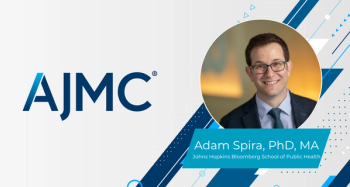
Adam Spira, PhD, MA, discusses how composite measures of sleep health may offer a modifiable target to reduce dementia risk.
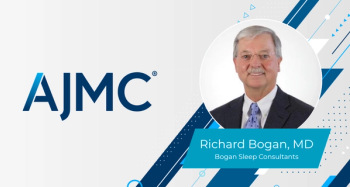
Richard Bogan, MD, discusses trial data coming out of the VIBRANCE studies for patients with narcolepsy type 2 and idiopathic hypersomnia.

Nathanael Hwang discusses how EHR-based machine learning models are adding value to patients with obstructive sleep apnea.

Patients with narcolepsy type 1 reported high disease burden, including chronic symptoms like hallucinations, sleep paralysis, and difficulty concentrating.

Salma Patel, MD, shares findings from the implementation of combination therapy recommendations for patients with chronic insomnia.
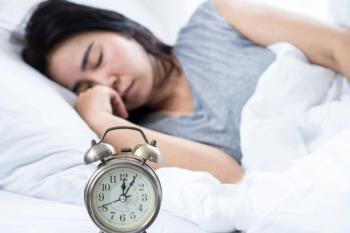
Late-breaking abstracts presented during the Sleep 2026 Annual Meeting provided new data on how the time of year could change sleep duration and the efficacy of low-sodium oxybate.

The American Heart Association’s Life’s Essential 8 indicates that the key to a healthy heart is through the treatment of sleep, including in obstructive sleep apnea (OSA) and narcolepsy.

Sunil Sharma, MD, discusses the consequences of not diagnosing patients with sleep-disordered breathing during hospital admission.

The use of artificial intelligence (AI) in sleep medicine could cause pitfalls on the practical and training ends, affecting patient care.

A session held during the Sleep 2026 Annual Conference focused on how wearables played a role in obstructive sleep apnea.

Abstracts presented during the Sleep 2026 Annual Meeting focused on the potential benefits of using oveporexton in narcolepsy type 1.
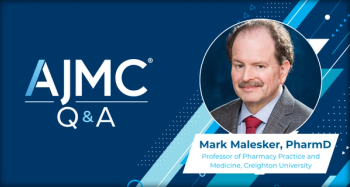
Mark Malesker, PharmD, discusses the clinical evidence, drug interaction risks, and formulary challenges surrounding cannabinoid use for sleep disorders.

The conference, set to take place in Baltimore, Maryland, will feature 4 days of sessions focusing on sleep medicine and how it affects overall health.
Check out our top 5 most-viewed pieces of coverage from the 2024 SLEEP meeting.

Ron Grunstein, MD, PhD, head of sleep and circadian research, Woolcock Institute of Medical Research, details results from the ALKS 2680 trial and the study's next steps.

Michael Thorpy, MD, professor of neurology, Albert Einstein College of Medicine, discusses the hopeful future of treatment in idiopathic hypersomnia.
Michael Thorpy, MD, professor of neurology, Albert Einstein College of Medicine explores the current treatment landscape of idiopathic hypersomnia and the associated challenges with approving new medication for this condition.
Michael Thorpy, MD, professor of neurology, Albert Einstein College of Medicine, explored the mechanism of action in orexin agonists, which has been indicated for idiopathic hypersomnia.

The SLEEP 2024 Annual Meeting featured talks on numerous topics throughout the 5-day meeting, including sleep inequities, narcolepsy, and mental health’s association with sleep.

Melissa Jones, MD, shares insights into recent artificial intelligence (AI) innovations in the realm of sleep studies.
Speakers at SLEEP 2024, the annual meeting of The American Academy of Sleep Medicine and Sleep Research Society, share their favorite parts of the conference.
Allison Brager, PhD, neuroscientist, Walter Reed Army Institute of Research, discusses the interplay between physical exercise and circadian rhythms in improving cardiovascular health.

Ron Grunstein, MD, PhD, head of sleep and circadian research, Woolcock Institute of Medical Research, shares findings from a phase 1b study on the use of a novel orexin agonist in patients with narcolepsy type 1.

Posters presented at SLEEP 2024 found reduced total sleep time among adolescents on weeknights, leading to less total sleep, as well as a link between lower sleep duration and poor mental health.

A session at the SLEEP 2024 Annual Meeting discussed the various inequities in sleep that persist in individuals who are incarcerated, attend university, or work at hospitals.

Michael Thorpy, MD, professor of neurology, Albert Einstein College of Medicine, discusses promising pharmacological treatments for patients with idiopathic hypersomnia.

A symposium held at the SLEEP 2024 Annual Meeting discussed updates in narcolepsy and idiopathic hypersomnia treatment, specifically in guidelines for treatment and testing in this population.

Use of sodium oxybate and low-sodium oxybate led to meaningful improvements in patients with hypersomnia and narcolepsy regardless of comorbidities.