




HIV
Latest News
Advertisement
Latest Videos





Shorts
1:21
Trump's Failure to End AIDS: Peter Staley
7 months ago
by
Skylar Jeremias(+2 more)
1:06
A New Paradigm for Youth-Centered HIV Prevention: Elona Toska, MSc, DPhil
7 months ago
by
Skylar Jeremias(+2 more)
0:47
GLP-1 Medication Beyond Weight-Loss Indications: Todd T. Brown, MD, PhD
7 months ago
by
Skylar Jeremias(+2 more)
0:52
How Political Policy Is Impacting the Fight Against HIV: Peter Staley
7 months ago
by
Skylar Jeremias(+2 more)

1:29
Local Funding Cannot Replace Federal Funding When Addressing HIV: Lindsey Dawson, MA
7 months ago
by
Julia Bonavitacola(+1 more)
0:45
ADAPs Providing HIV Drugs Face Budget Crisis Across the Country: Lindsey Dawson, MA
7 months ago
by
Julia Bonavitacola(+1 more)
0:58
Changes to USAID Affected Worldwide HIV Response: Antonio Urbina, MD
10 months ago
by
Julia Bonavitacola(+1 more)
1:32
Getting Lenacapavir on Insurance Plans Is Key to Uptake: Antonio Urbina, MD
a year ago
by
Julia Bonavitacola(+1 more)
Podcasts



Advertisement
More News
National HIV Testing Day highlights how state policies, pharmacists, and long-acting therapies are reshaping access to HIV testing, PrEP, and PEP.

Changes in PrEP for HIV expand choice and reduce risk as new research continues to look for an elusive cure.
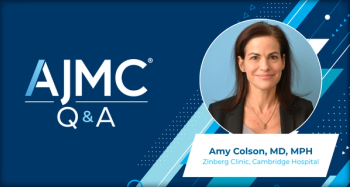
Newly FDA-approved DOR/ISL offers an INSTI-free, 2-drug HIV treatment option with durable suppression and favorable safety.

FDA approves doravirine/islatravir, a once-daily, 2-drug, single-tablet HIV regimen showing noninferior efficacy to standard therapies in suppressed adults.

From innovative therapies to global care strategies, HIV experts at CROI 2026 share the breakthroughs and lessons they hope every viewer, near or far, takes home.

Elona Toska, MSc, DPhil, explores drivers of HIV in pregnant women and young mothers: biology, relationships, and postpartum treatment drop-off.

Sweeping federal funding cuts and stalled prevention efforts are unraveling hard-won gains in HIV research and access, warns Peter Staley.
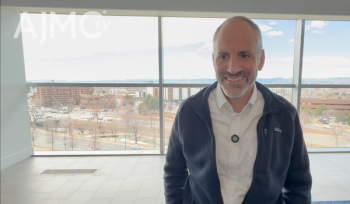
Todd Brown, MD, PhD, explains key considerations for using GLP‑1 drugs in patients with HIV, including titration tips, surgery precautions, and bone/muscle monitoring.

Presentations focused on the efficacy of long-acting cabotegravir, doravirine/islatravir, and bictegravir/lenacapavir when used as antiretroviral therapy.
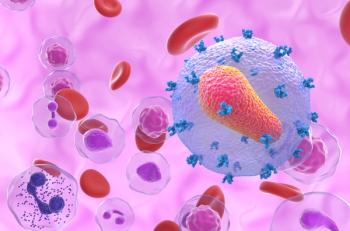
CAB+RPV LA Is Versatile, Preferred in Treatment-Naive Patients
Published: | Updated:
Abstracts presented during the Conference on Retroviruses and Opportunistic Infections 2026 offered a glimpse into which therapies patients prefer to use to treat HIV.
At CROI 2026, experts warned that missing HBV screening risks reactivation during HIV therapy switches.
The REPRIEVE study finds statins cut heart events in HIV by lowering lipids, inflammation, and hypertension risk.

A session at CROI 2026 opened with questions on how glucagon-like peptide-1 receptor agonists could be used in HIV.
Victor Appay, PhD, explains how long-term ART slows immune aging, boosting HIV viral suppression and paving the way for remission without therapy.

Doxy-PEP reshapes STI prevention, while congenital syphilis surges; experts urge scaling HIV and STI care infrastructure to improve testing and treatment access.

New research shows that adherence to antiretroviral therapy and pre-exposure prophylaxis depends on a steady budget through PEPFAR and SNAP.
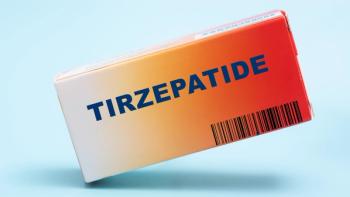
Tirzepatide Improved Weight, Diabetes Control in Patients With HIV
Published: | Updated:
Posters presented during the Conference on Retroviruses and Opportunistic Infections 2026 highlight the safe use of tirzepatide in patients with HIV.

The first full day of CROI 2026 featured a lecture that outlined the next steps in treating and preventing HIV.

The conference, held in Denver, Colorado, promises presentations on breaking research and the future of prevention.

Medicare HIV cases are projected to double by 2035, with cumulative costs reaching $195.6 billion and creating critical challenges for federal funding.

The most-read content for HIV focused on funding cuts to HIV aid and research and satisfaction with telemedicine for HIV care.

Our top conference coverage of the year highlighted findings presented at CROI 2025, ACCC Spring, and EHA, among others.
The past year has seen multiple changes in the HIV space that have long-term effects when it comes to ending the epidemic.

Top content from CROI 2025 focused on COVID-19 and HIV, including the safety of a vaccine in people taking antiretroviral therapy.

Although a cure is likely still a ways off, continuing to pursue long-acting injectable treatments and PrEP is key to reducing cases of HIV.
Advertisement
Advertisement
Trending on AJMC
1
FDA Approves Ryzumvi for Presbyopia, Expanding its Label
2
New CHEST Guidelines Offer a Road Map for Bronchiectasis
3
CHEST Highlights Practice-Changing COPD Therapy and Strategies
4
CHEST Investigations Explore COPD Guideline Adherence, Adding Ensifentrine, and Use of AI in Education
5