




RSV
Latest News
Advertisement
Video Series
Latest Videos



Advertisement
More News

New research highlights the effectiveness of RSV preF vaccines in preventing severe respiratory infections in older adults.

Respiratory syncytial virus (RSV) remains a leading cause of acute bronchitis in children, but new research may enable earlier intervention.
Our top RSV content of 2025 included how nirsevimab and clesrovimab changed RSV prevention among younger patients, as well as the positive impact of RSV vaccination in older individuals.

A nationwide Danish cohort study reports cardiovascular events up to 1 year after infection, comparable to that observed with influenza.

More than one-quarter of US adults have a risk factor for severe RSV infection, but their eligibility for the RSV vaccine depends on their age.
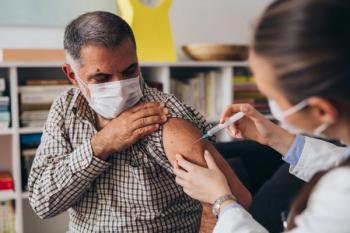
RSV vaccines protected older adults against RSV-related hospitalization over 2 seasons, although with less effectiveness for those with immunocompromise or cardiovascular disease.

Combined or individual use of maternal RSVpreF and infant nirsevimab achieved high antibody levels without safety concerns, supporting current RSV prevention strategies.

Increasing respiratory syncytial virus (RSV) vaccination among older adults could prevent up to 1600 deaths and 20,000 hospitalizations over 5 years.

Nirsevimab significantly reduced RSV hospitalizations in infants, reinforcing public health recommendations for its use during the RSV season.
New respiratory syncytial virus (RSV) prevention products significantly reduce infant hospitalization rates, highlighting the importance of timely vaccination and nirsevimab administration.

High vaccine uptake shows promise for the prevention of respiratory syncytial virus (RSV) in infants.

Significant gaps in vaccination coverage among nursing home residents leaves vulnerable populations at risk for severe complications, report finds.

Use of in-room air purifiers with HEPA-14 filters did not result in a significant reduction of acute respiratory infections.

New research reveals gaps in respiratory syncytial virus (RSV) knowledge among older adults and emphasizes the impact community pharmacies can have at improving education and vaccine uptake.
Respiratory syncytial virus (RSV) vaccination is approximately 77% to 81% effective against hospital and emergency department encounters among older adults, study finds.
Respiratory syncytial virus (RSV) caused significant hospitalizations and severe outcomes in adults, especially those aged 75 years and older.

The vaccine proved a cumulative efficacy of 62.9% against respiratory syncytial virus (RSV)-related lower respiratory tract disease in older adults over 3 seasons.
Study explores the clinical manifestations, risk factors, and 90-day mortality outcomes in adults hospitalized with RSV or influenza across Europe.
Study compares immediate post-discharge care requirements for respiratory syncytial virus (RSV), influenza, acute myocardial infarction, and stroke.
A new study highlights risk factors for hospitalization and severe illness among adults with respiratory syncytial virus (RSV) receiving care through the emergency department.

Survey reveals gaps in vaccination intentions for flu, COVID-19, respiratory syncytial virus, and pneumococcal disease.

A robust antibody response was found in patients in residents of long-term care facilities who were given the respiratory syncytial virus (RSV) vaccine.
Respiratory syncytial virus (RSV) vaccination in adults aged 60 years and older may be cost-effective in preventing illness, hospitalizations, lost quality of life, and deaths, according to one study.

The first real-world study highlights benefits for adults aged 60 years and older who receive the respiratory syncytial virus (RSV) vaccine.
A new survey highlights lack of awareness about respiratory syncytial virus (RSV) among older adults, posing increased health risks for those with chronic conditions.
Advertisement
Advertisement
Trending on AJMC
1
Pathological Response Does Not Reliably Predict Survival in Sarcoma
2
New CHEST Guidelines Offer a Road Map for Bronchiectasis
3
CHEST Investigations Explore COPD Guideline Adherence, Adding Ensifentrine, and Use of AI in Education
4
CHEST Highlights Practice-Changing COPD Therapy and Strategies
5